Introduction
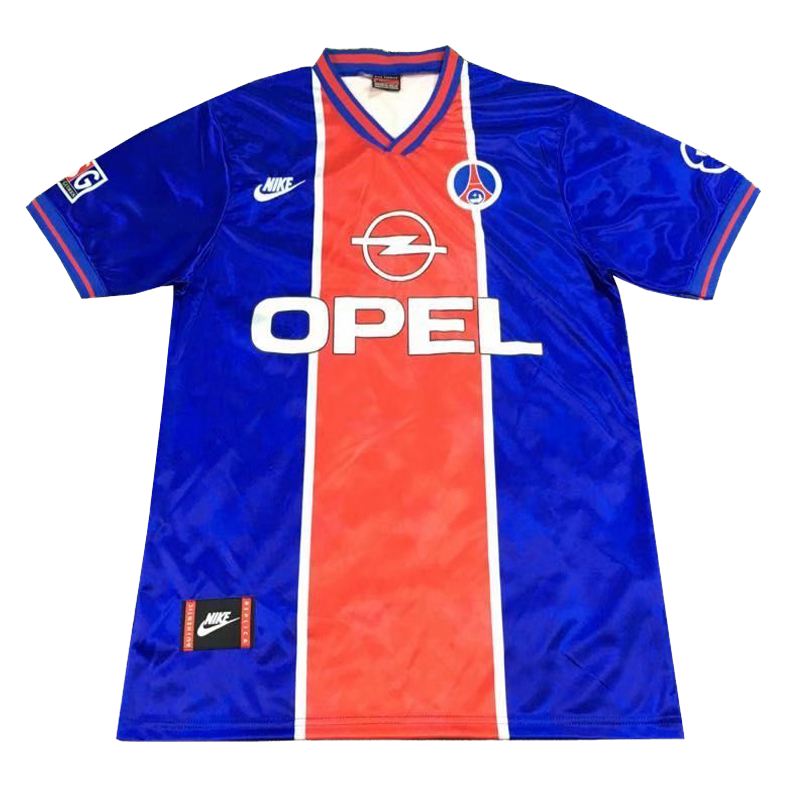
Paris Saint-Germain (PSG) has emerged as a dominant force in French football, making headlines not only for its performance on the pitch but also for its financial power and influence in the world of sports. Established in 1970, PSG has rapidly risen to prominence, particularly in the last decade, following substantial investment from Qatar Sports Investments. This article delves into PSG’s recent achievements, player acquisitions, and the broader implications for the sport.
Recent Achievements
In the 2022-2023 season, PSG once again showed its prowess by winning the Ligue 1 title, securing its 11th championship crown. The club finished the season with 85 points, significantly ahead of rivals like Olympique de Marseille and AS Monaco. Key players, including Kylian Mbappé and Neymar Jr., have been instrumental in maintaining the club’s competitive edge, contributing to both goals and assists.
Recent UEFA Champions League performances have been a mixed bag for PSG. The group’s ambition to win Europe’s most prestigious competition has faced challenges, with their last significant success occurring in 2020 when they reached the final but fell to Bayern Munich. Despite this, PSG’s squad continues to attract global talents, bolstering their chances for future triumphs.
Financial Power and Acquisitions
Financially, PSG has leveraged its status as a commercially viable entity post-investment, boasting one of the highest budgets in world football. This has allowed the club to attract some of the best players in the game, including Lionel Messi, who joined the club in 2021. Additionally, PSG has expanded its global fan base through marketing initiatives and strategic partnerships.
The financial clout of PSG is evident in their ability to negotiate lucrative sponsorship deals, including a monumental partnership with the global sports brand, Nike. These financial resources have paved the way for significant player acquisitions, allowing the club to build a star-studded roster while also investing in youth development through the PSG Academy.
Conclusion
As PSG continues to dominate French football, its role as a powerhouse raises questions about the balance of competition within the league and the sustainability of such financial models. The potential for success in Europe remains a significant goal, keeping fans hopeful and players motivated. Looking ahead, PSG’s commitment to building its brand and securing titles will undoubtedly shape the future of football in France and beyond, drawing interest from supporters and analysts alike. With the ongoing challenges of European competitions and domestic rivals improving, the upcoming seasons will be critical for PSG’s aspirations.