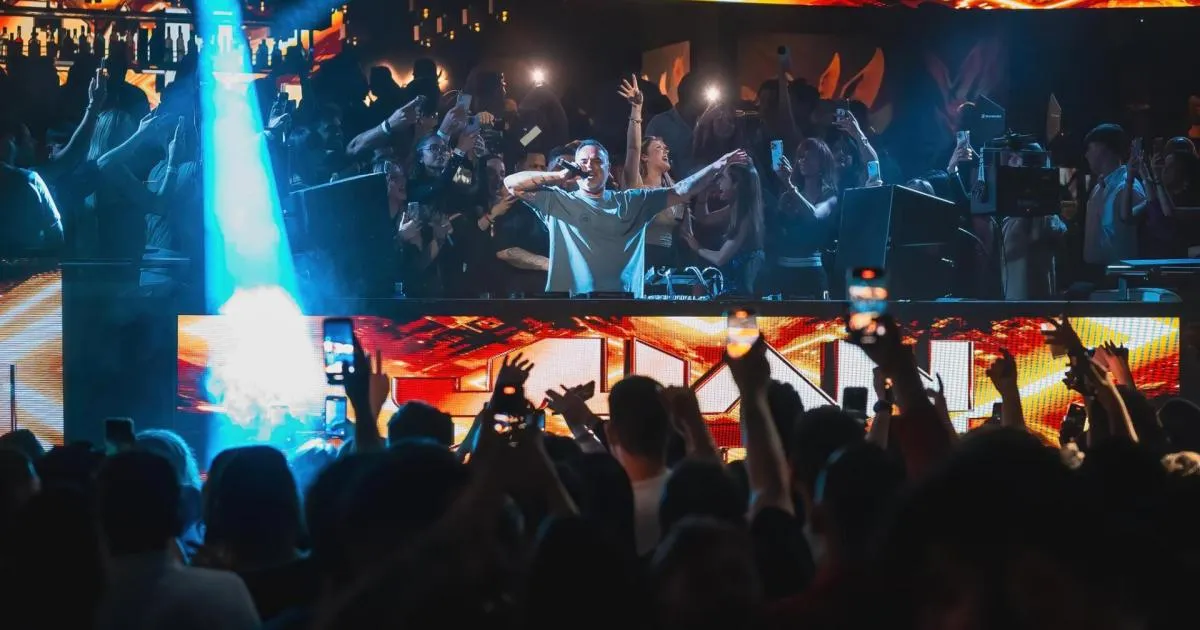
As of May 5, 2026, Mallorca’s nightlife is bracing for a revenue decline due to diminishing local and tourist spending. In contrast, Liverpool has earned recognition as one of the safest cities for nightlife, even amidst ongoing safety concerns among women and the LGBT+ community.
Historically, Mallorca’s vibrant nightlife thrived on the influx of tourists during peak seasons. Bars and clubs buzzed with energy, creating a lively atmosphere that attracted visitors from around the world. However, recent trends show a stark shift. The nightlife sector in Mallorca is now anticipating lower revenue than in 2025, as Miguel Pérez-Marsá notes: “We were already coming off a slow year, and now the forecast is for even lower attendance and, consequently, lower revenue.” This situation reflects a broader concern regarding reduced tourist spending and a loss of local customers.
That context matters because it highlights how economic factors can directly impact the night-time economy. In Mallorca, clubs are shortening their opening hours to contain operating costs and focus on weekends. This adjustment indicates a reactive approach to dwindling patronage—a far cry from the bustling nights of previous years.
Meanwhile, Liverpool presents a contrasting narrative. Despite safety concerns—where 75% of people in the LGBT+ community feel at risk of harassment on nights out—60% reported feeling safe walking around the city center after 10 PM. This sentiment is bolstered by Liverpool’s impressive record: it has held Purple Flag accreditation for sixteen consecutive years, which signifies its commitment to maintaining a safe night-time economy.
Experts emphasize that safety initiatives play a crucial role in shaping public perception. The night-time safety charter in Liverpool aims to enhance training for bar staff to prevent harassment. Over 125 businesses have signed this charter, demonstrating a collective effort to create safer spaces for all patrons. Clive Duffey notes that venues are working hard to foster an inclusive environment: “Our sticker is placed at the front door of venues to recognize them as an inclusive hate-free space… it’s about venues creating a culture of safety.”
However, it’s important to acknowledge that improvements can always be made. Joe Maguire points out: “Improvements to safety can always be made; some venues do enough but some don’t.” This statement reflects an ongoing challenge within the nightlife scene—ensuring that all establishments uphold high standards of safety.
The juxtaposition between Mallorca and Liverpool’s nightlife underscores significant differences shaped by economic conditions and safety perceptions. As Mallorca grapples with declining revenues and changing customer dynamics, Liverpool continues to cultivate an environment where patrons feel secure enough to enjoy their nights out—despite persistent challenges regarding harassment prevention.