How it unfolded
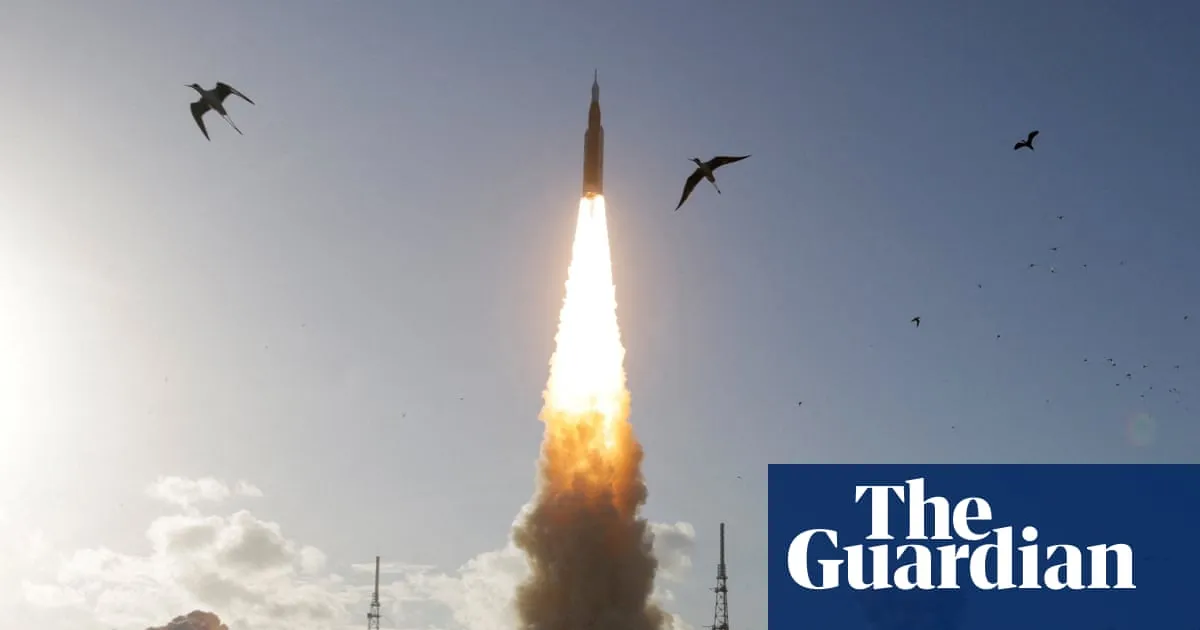
On April 1, 2026, the NASA Artemis II mission launched with great anticipation, marking a significant milestone as it aimed to establish a permanent human presence in space. This mission is particularly noteworthy as it comes 50 years after the last crewed mission flew around the moon. Among the many advancements on board the Orion spacecraft was the new Universal Waste Management System (UWMS), designed to enhance waste management for astronauts during their journey.
Shortly after the launch, however, the crew encountered an unexpected issue. A blinking fault light indicated that the toilet fan was jammed, raising concerns about the functionality of the toilet system. This was a critical moment, as the ability to manage human waste effectively in space is essential for long-duration missions. The toilet system, which cost approximately $30 million, includes a private cubicle for astronauts—a first for a space shuttle—allowing for more privacy in the confined environment of the spacecraft.
NASA mission control quickly addressed the situation, and fortunately, the issue was resolved swiftly. The crew received the reassuring message, “Happy to report that toilet is go for use.” This prompt resolution allowed the astronauts to utilize the toilet without needing to resort to backup systems, which would have involved using collapsible contingency urinals.
The UWMS employs airflow technology to draw waste away from the body, a crucial feature in a weightless environment. However, the system does come with its quirks; the crew must wear ear protection due to the loud suction noise produced during operation. Despite these challenges, the toilet is designed to vent urine overboard and store feces until the crew’s return to Earth, ensuring that waste management is sustainable throughout the 10-day mission.
Jeremy Hansen, one of the astronauts on board, expressed gratitude for the new toilet system, stating, “We’re pretty fortunate as a crew to get a toilet with a door on this tiny spacecraft.” This sentiment reflects the longstanding complaints from astronauts about the primitive waste management systems used during earlier missions, such as the Apollo program, which were often prone to leaks and dissatisfaction.
Had the toilet issue not been resolved, the crew would have had to implement the backup plan, which involved using bags for urine collection. This would have significantly impacted the crew’s comfort and operational efficiency during the mission. The quick fix not only ensured the astronauts’ comfort but also underscored the importance of reliable waste management systems in future space exploration endeavors.
As the Artemis II mission progresses, the successful resolution of the toilet issue highlights the advancements made in space technology and the ongoing efforts to improve astronaut living conditions. The mission’s success is critical for NASA’s long-term goals of establishing a sustainable human presence beyond Earth, making the effective management of human waste a vital component of future missions.
In summary, the Artemis II mission’s toilet malfunction was a momentary setback that was quickly overcome, allowing the crew to focus on their groundbreaking journey. As they continue their mission, the importance of innovative waste management systems in space exploration remains clear, paving the way for future endeavors in the quest for knowledge beyond our planet.