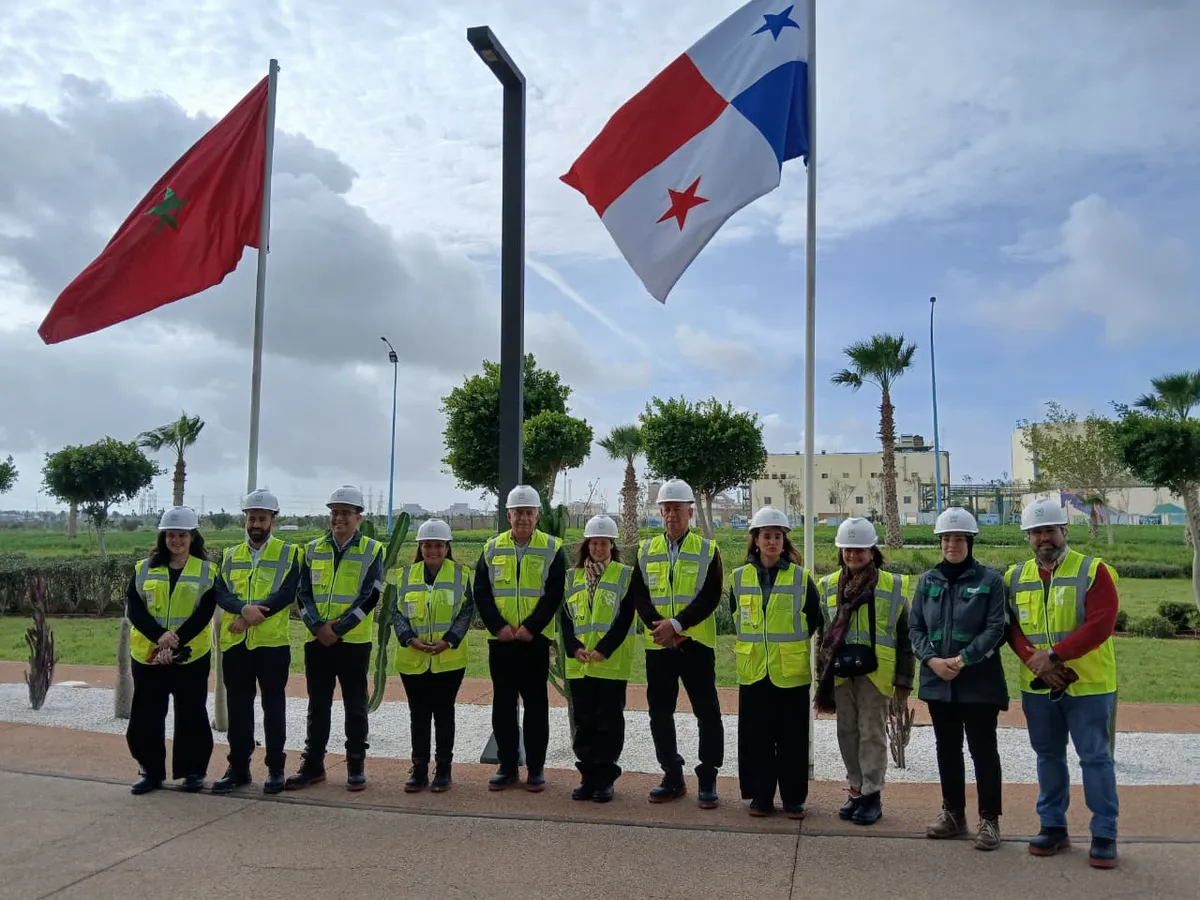
Background on Morocco’s Agricultural Support
In 2014, Morocco sent 3,000 tons of NPK fertilizer to Panama under a similar cooperation framework. This initiative was part of Morocco’s ongoing efforts to support agricultural development in Panama, particularly benefiting small-scale farmers who play a crucial role in the country’s food production.
Recent Developments in Bilateral Cooperation
On March 28, 2026, Morocco announced it will donate an additional 1,000 tons of fertilizers to Panama. This donation is part of a cooperation roadmap signed in June 2025 between the two nations, aimed at strengthening ties and enhancing agricultural productivity. The fertilizers are expected to primarily benefit small-scale farmers, as stated by Panama’s Agriculture Ministry.
Logistical Challenges and Reactions
Despite the positive intentions behind the donation, logistical challenges have emerged. Isbeth Quiel, a representative from Panama’s Agriculture Ministry, noted, “We still do not have a specific date for the receipt of the donation in Panama, due to a delay caused by weather conditions in Morocco, which has affected the logistics operation.” This delay raises questions about the timely impact of the donation on Panama’s agricultural sector.
Morocco’s Growing Role in Automotive Manufacturing
In addition to its agricultural support, Morocco is emerging as a strategic manufacturing base for Chinese automakers targeting Europe and Africa. Between 2023 and 2025, Morocco captured nearly half of all Chinese automotive investments in the Middle East and North Africa, securing 23 projects out of a total of 45 in the region. This momentum is unfolding in a global automotive landscape undergoing rapid transformation, driven by the rise of electric vehicles and the reconfiguration of international supply chains.
Investment and Economic Implications
Morocco’s geographical proximity to European industrial centers makes it an attractive destination for Chinese investments. Notably, the Cobco plant in Jorf Lasfar represents a significant investment of 20 billion dirhams, while the estimated cost of the gigafactory in Kenitra is around 65 billion dirhams. These developments highlight Morocco’s strategic positioning in the automotive sector, which is expected to bolster its economy further.
Statements from Officials
Roberto Linares from Panama’s Agriculture Ministry emphasized the importance of the fertilizer donation, stating, “What I can guarantee is that this is a fertilizer that will be donated to the small producer.” This commitment reflects the ongoing collaboration between Morocco and Panama, as both nations seek to enhance their agricultural and economic ties.
Future Prospects and Uncertainties
As Morocco continues to strengthen its role in both agriculture and automotive manufacturing, observers are keenly watching the developments. However, details remain unconfirmed regarding the exact arrival date of the fertilizer shipment to Panama and the potential impact of this donation on the agricultural sector. Additionally, King Mohammed VI’s recent direct conversations with Gulf leaders regarding regional security indicate that Morocco’s strategic interests extend beyond its borders, further complicating the geopolitical landscape in which these developments are occurring.