The numbers
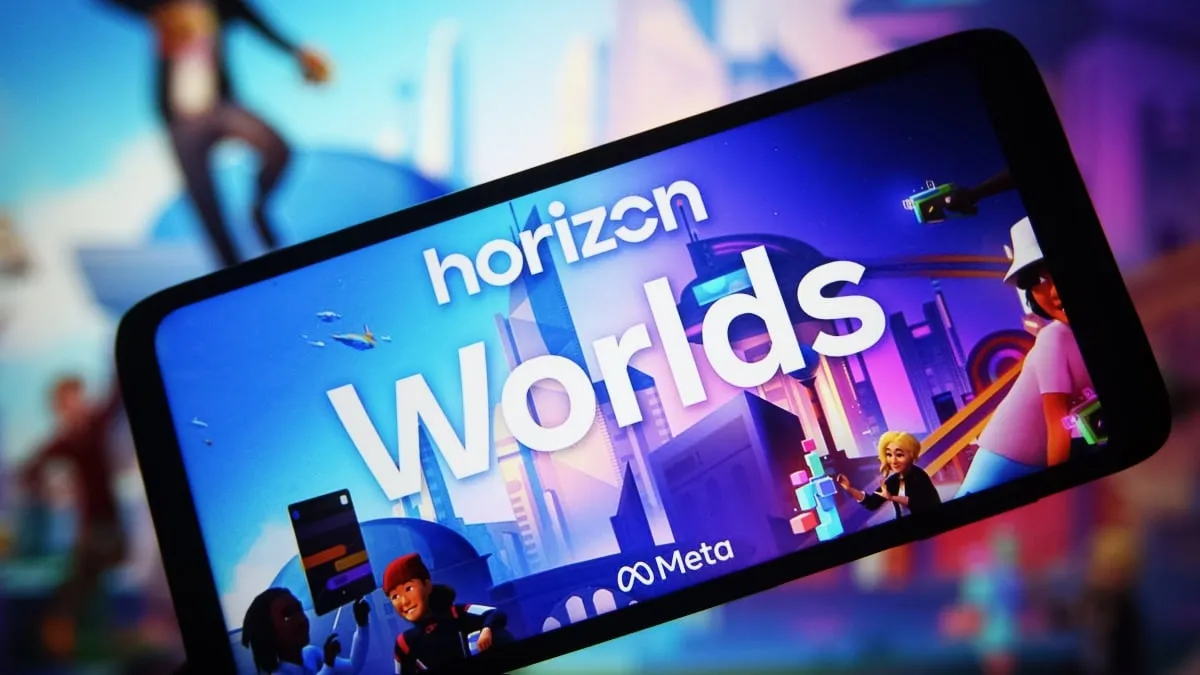
Meta has confirmed that its virtual reality platform, Horizon Worlds, will no longer be available in VR after June 15, 2026. This announcement marks a significant shift in Meta’s strategy, as the company has invested a staggering $80 billion in the metaverse to date. As part of this transition, Horizon Worlds will also be removed from the Quest Store by March 31, 2026.
Despite the shutdown of Horizon Worlds, Meta remains the largest investor in the VR industry, indicating its commitment to virtual reality technologies. The company is reorienting its efforts towards developing a mobile app for Horizon Worlds, which could potentially broaden its user base beyond VR headsets. “We have a robust roadmap of future VR headsets that will be tailored to different audience segments as the market grows and matures,” a Meta spokesperson stated.
The metaverse has not yet realized its potential as a customer-facing service channel, with many observers noting that the anticipated engagement has not materialized in any meaningful way. This is highlighted by the experiences of companies like Walmart, which has been utilizing VR-based training for its contact center agents since 2021. A 2023 survey revealed that the average annual turnover rate for contact center employees has reached 60%, emphasizing the need for effective training solutions.
Walmart’s VR training program, developed in collaboration with Strivr, has shown promising results. The program reduced total training time for associates from eight hours down to just 15 minutes, while employee satisfaction scores rose by 30% following the implementation of VR training. Additionally, associates scored 10-15% higher on post-training assessments, showcasing the effectiveness of this innovative approach.
As Meta shifts its focus, industry experts are keeping a close eye on the evolving landscape of the metaverse. Marty Resnick, a prominent analyst, predicts that by 2026, 25% of people will spend at least one hour a day in the metaverse for various activities, including work, shopping, education, and entertainment. Furthermore, he estimates that 30% of organizations worldwide will have products and services ready for the metaverse by the same year.
While the future of Horizon Worlds in VR appears bleak, Meta’s hardware line is expected to continue thriving. The company is likely to maintain its presence in the VR market, even as it adapts to changing consumer preferences and technological advancements. Observers remain cautious, noting that it is still too early to determine which investments in the metaverse will prove viable in the long term.
As the metaverse landscape continues to evolve, companies and product managers are encouraged to explore and prepare for its potential. “It is still too early to know which investments will be viable in the long term, but product managers should take the time to learn, explore and prepare for a metaverse in order to position themselves competitively,” Resnick advised.