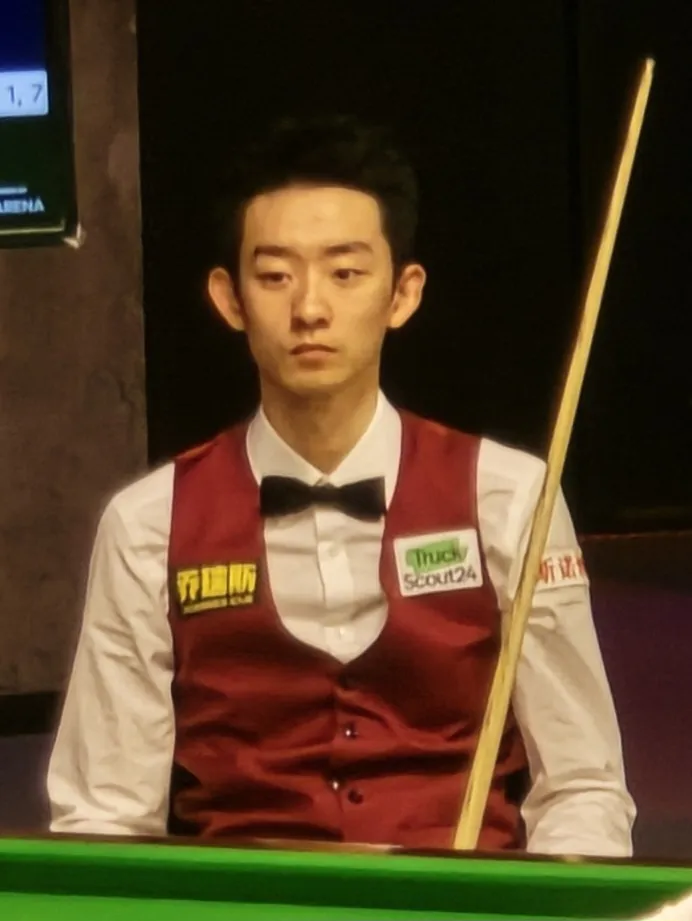
Mark Selby’s emotional outburst during his recent match against Wu Yize at the World Snooker Championship serves as a stark reminder of the intense pressure that top players endure in high-stakes situations. In a dramatic showdown at the iconic Crucible Theatre, Selby lost 13-11 to the 22-year-old rising star, Wu, marking a significant upset in the tournament.
Initially, Selby appeared to be in control. He even led by two frames early on, showcasing his experience and skill. However, everything changed when he missed a routine red shot—a moment that shifted the momentum decisively in Wu’s favor. This mistake not only cost him the frame but also triggered an emotional response from Selby, who was visibly frustrated and struck his cue against the table.
After the match, Selby reflected on his performance, admitting, “I felt like I only played well really in the first session.” His frustration was palpable as he described the playing conditions as “atrocious,” noting that the table had been re-covered just before their match. Such conditions can dramatically affect a player’s performance—much like trying to play soccer on an uneven pitch.
Despite scoring more points and potting more balls than Wu during the match, Selby’s inability to convert those advantages into frames ultimately led to his downfall. He managed to stage a comeback, narrowing Wu’s lead from 12-9 to 12-11, but it wasn’t enough. As he admitted later, “Just too many silly errors really” plagued his game.
This loss is particularly significant considering Selby’s track record; he has won four World Championships between 2014 and 2021 but has not claimed a title in five years. The defeat at this year’s championship raises questions about his current form and mental resilience under pressure. Meanwhile, Wu’s victory marks just his second-ever win at this prestigious event, signaling a potential shift in power among snooker’s elite.
Ronnie O’Sullivan praised Wu after the match, calling him a “more dynamic” version of Steve Davis. Such endorsements from established players highlight Wu’s potential trajectory in professional snooker. Observers now speculate whether he will rise quickly through the ranks—some even predict he could be world No. 1 within three years.
As for Selby, this loss serves as both a setback and an opportunity for reflection. With fierce competition emerging from younger players like Wu Yize, it’s clear that every match is critical for maintaining relevance in this sport. Moving forward, how will Selby adapt his game to reclaim his former glory?
The next round of matches will be pivotal for both players—Selby must regroup while Wu aims to build on this momentum as they navigate through one of snooker’s most demanding tournaments.