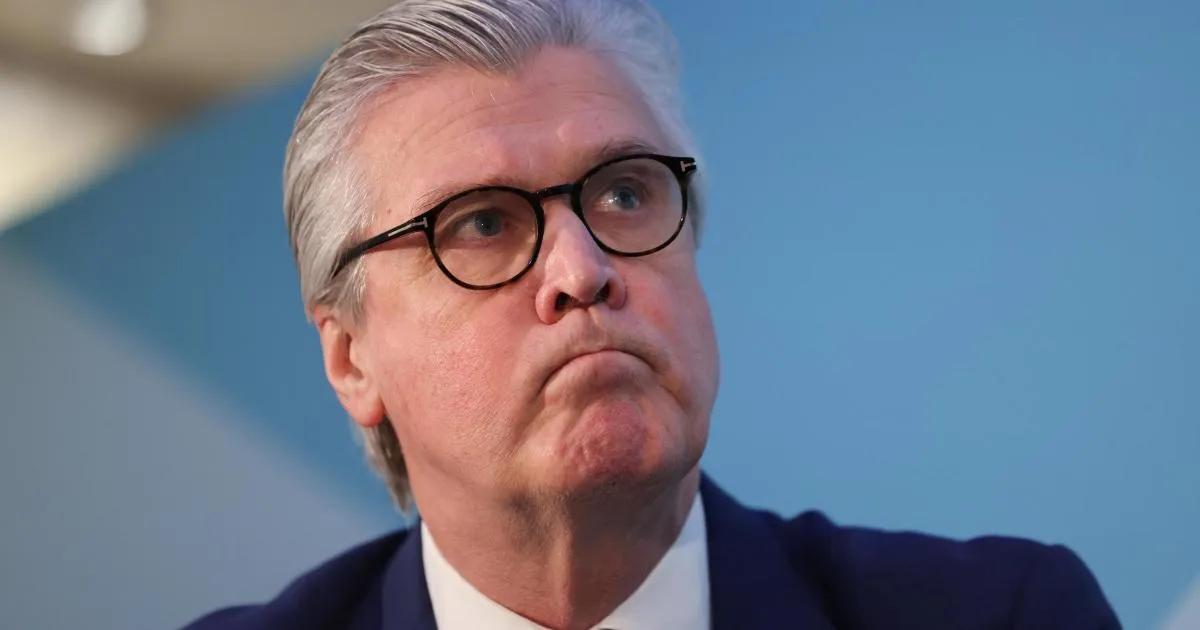
What happens when a politician makes a crude joke that offends a community? This question arose in 2018 when Malcolm Offord, then chairman of the London Scottish rugby club, made a homophobic joke about the late George Michael during a Burns Supper event. The incident sparked widespread criticism and raised concerns about the implications of such remarks in the political arena.
Offord’s joke, described by witnesses as “crude, bad taste and insulting,” was met with immediate backlash. He later apologized, calling it a “clumsy mistake” and insisted, “I am not homophobic.” Despite his defense, the incident drew condemnation from various political figures, including John Swinney, who highlighted the need for careful discourse in politics.
During a session in the Scottish Parliament, Swinney stated, “So I think we’ve got to be really careful as a country about where we are heading, and Reform have got no part to play in it if they represent views of intolerance, prejudice and hatred of that type.” This sentiment resonated with many, particularly in the context of the upcoming Holyrood election.
Offord’s comments were not widely reported in the media, but they did not go unnoticed among his peers. Jamie Greene, a fellow politician, remarked on the unfortunate nature of such commentary, reflecting on his own experiences as a gay politician facing unpleasant remarks.
In an attempt to make amends, Offord donated to the King’s Cross Steelers, a rugby club known for its inclusivity. He acknowledged that he had been drinking at the time of the joke, stating, “I must admit, I’d had a bit to drink by then, and finished with a crude joke about the late George Michael.” This admission raised questions about accountability and the impact of alcohol on public discourse.
The incident serves as a reminder of the responsibility that public figures hold in their speech and actions. As society continues to grapple with issues of tolerance and inclusivity, Offord’s joke and the subsequent fallout highlight the ongoing challenges faced by LGBTQ+ communities and their allies.
While Offord has taken steps to address the situation, the broader implications of his comments remain a topic of discussion. Political leaders and community members alike are left to ponder the significance of such incidents in shaping public perception and policy.
Details remain unconfirmed regarding any further actions that may arise from this controversy, but it is clear that the conversation surrounding homophobia and political accountability is far from over.