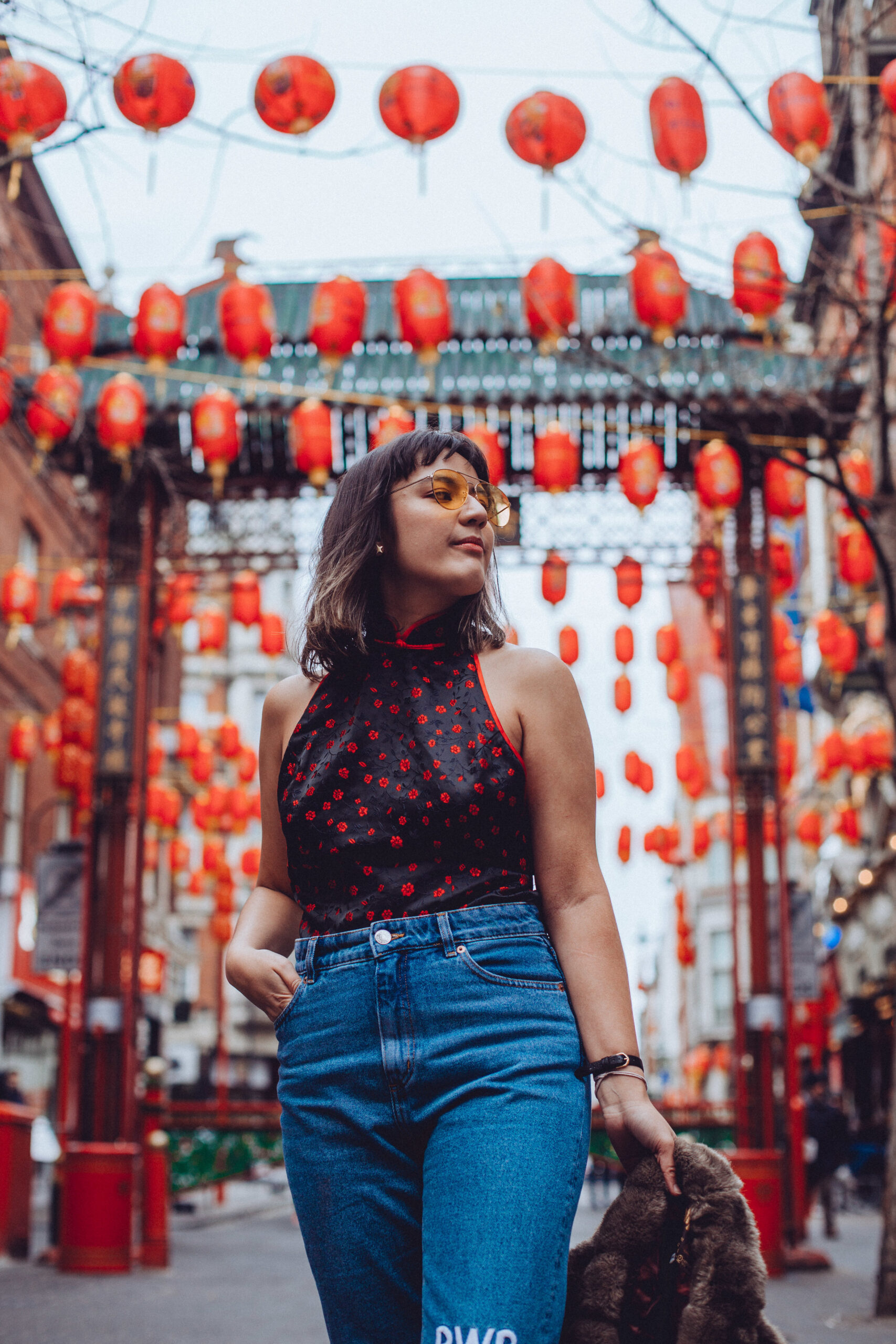
Introduction to Kung Hei Fat Choi
Kung Hei Fat Choi, which translates to “wishing you prosperity and wealth,” is a cherished greeting associated with the Lunar New Year celebrations in many East Asian cultures, particularly among the Chinese community. The festival, marking the start of the lunar calendar, is not only a time for family reunions but also a significant cultural event that encompasses various traditions, foods, and festivities. With more individuals around the world partaking in these rich traditions, understanding the importance of this greeting and the celebrations that accompany it is essential.
Events and Celebrations
The Lunar New Year typically falls between January 21 and February 20, varying each year according to the lunar calendar. In 2024, it will be celebrated on February 10, ushering in the Year of the Dragon. The celebrations last for 15 days, concluding with the Lantern Festival. Preparations for Kung Hei Fat Choi begin well in advance, often involving thorough cleaning of homes to sweep away bad luck and make room for good fortune.
During the festivities, families gather for a reunion dinner on New Year’s Eve, where they enjoy traditional dishes like dumplings, fish (symbolising abundance), and rice cakes. On New Year’s Day, it’s customary to wear new clothes and visit family and friends to exchange greetings of Kung Hei Fat Choi. Red envelopes (hongbao) filled with money are distributed to children and unmarried adults as symbols of good luck and prosperity.
Cultural Significance
The significance of Kung Hei Fat Choi extends beyond just a simple greeting. It reflects the values of family, harmony, and the importance of maintaining connections with loved ones. The customs associated with the Lunar New Year also carry stories and beliefs handed down through generations; for instance, the colour red is believed to ward off evil spirits, and the lion dance is performed to scare away malevolent entities while ushering in good luck.
Conclusion and Future Significance
As we approach the Year of the Dragon, the importance of Kung Hei Fat Choi continues to grow, exemplifying the resilience and adaptability of cultural traditions in a globalised world. In recent years, there has been a marked increase in the participation of non-Chinese communities in Lunar New Year celebrations, further emphasising the significance of this occasion as a festival of inclusivity and joy. With its rich traditions and customs, Kung Hei Fat Choi will undoubtedly remain a pivotal part of celebration for many, reminding us of the importance of prosperity, connection, and celebration in our lives.