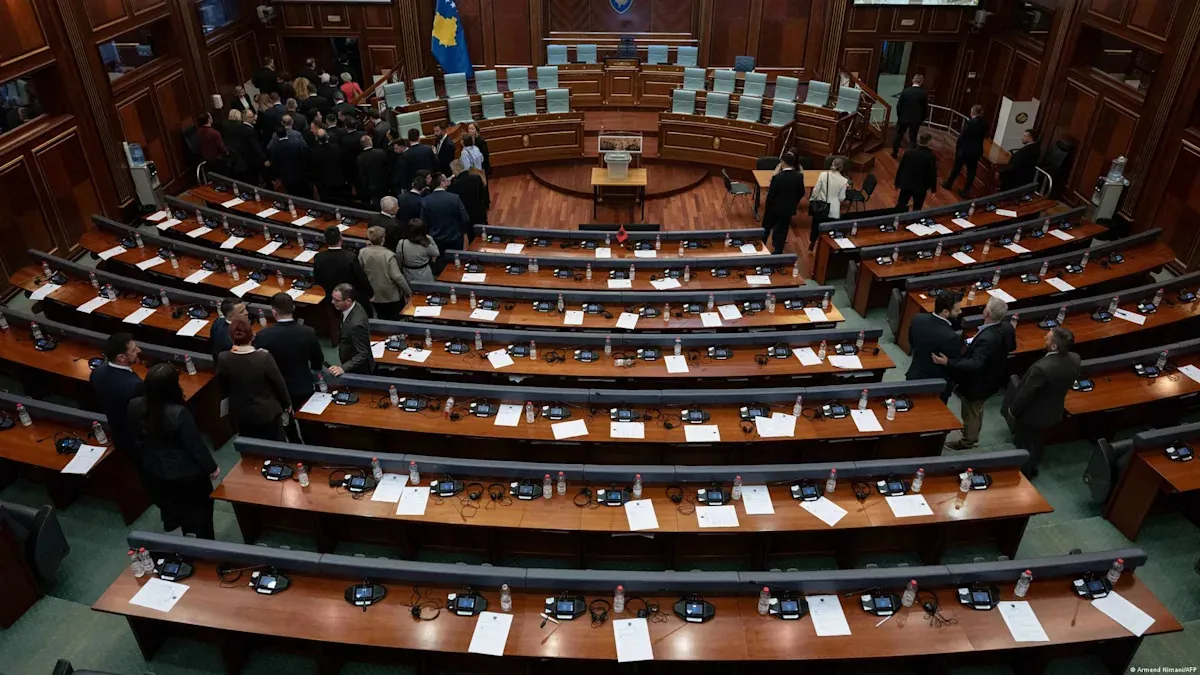
Kosovo is set to hold snap elections on June 7, 2026, following the dissolution of its parliament amid a political deadlock that has persisted since February 2025. This situation not only raises alarms about institutional stability but also highlights the challenges facing Kosovo’s path toward EU integration.
As Albin Kurti’s government remains in office on a caretaker basis, the political landscape grows increasingly complex. Vjosa Osmani, who aimed for re-election as president, did not garner support from Kurti, leading to further tensions between the two leaders. This friction has sparked questions regarding the coherence of Kosovo’s foreign policy at the international level.
Key facts about the upcoming elections:
- The last elections took place on December 28, 2025, with a turnout of around 45 percent.
- The Central Election Commission has allocated a budget of 10,887,000 euros for these early elections.
- Political parties must declare their candidacy between May 2 and May 7, 2026.
This ongoing political crisis—marked by three elections within just over a year—has significantly undermined trust in Kosovo’s institutions. A spokesperson from the US State Department remarked that “the ongoing political deadlock undermines trust in Kosovo’s institutions.” But why does this matter? The instability complicates Kosovo’s dialogue with Serbia and hinders its aspirations for EU membership.