Who is involved
The King Charles III Coastal Path is a monumental achievement in the realm of outdoor recreation in England. Before this initiative, the expectation was that coastal walking routes would remain fragmented and limited in scope. The idea of a comprehensive, managed coastal path was more of a dream than a reality. However, the landscape has changed dramatically over the past two decades, culminating in the official launch of the path by King Charles III himself.
The decisive moment came after 18 years of development, which involved the efforts of seven prime ministers and the dedication of the Natural England team. The path, which stretches an impressive 2,689 miles (4,328 km), is now recognized as the world’s longest managed coastal walking route. Despite its vast length, about 20% of the path is still not open to the public, indicating that while significant progress has been made, there is still work to be done.
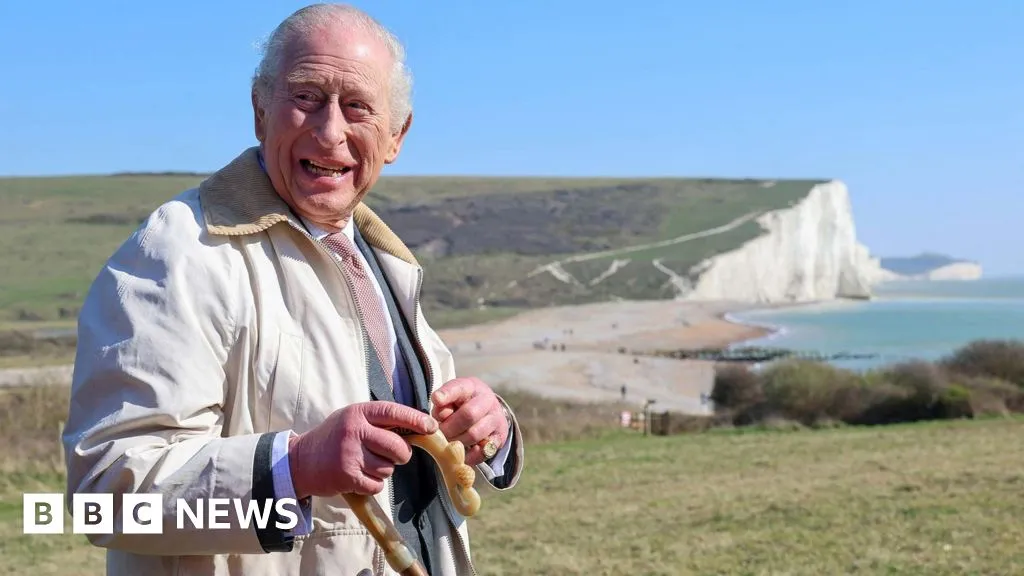
One of the most notable features of the King Charles III Coastal Path is its incorporation of existing national trails, enhancing the overall experience for walkers. The project has added 1,000 new miles of paths to the existing coastal routes, significantly expanding access to England’s beautiful coastline. The Seven Sisters section of the path, which passes through the stunning Seven Sisters National Nature Reserve, showcases the natural beauty of the area and highlights the importance of preserving such landscapes.
The direct effects of this development are manifold. For local communities, the path is expected to boost tourism and provide economic opportunities. Walkers and nature enthusiasts now have a more extensive and cohesive route to explore, promoting outdoor activities and a healthier lifestyle. As Tony Juniper from Natural England stated, “Following 16 years of hard work from the Natural England team we are delighted to reach this landmark point for the King Charles III England coast path.” This sentiment reflects the collective effort and dedication that has gone into making this project a reality.
However, not everyone views the path as a success. Tim Bonner has voiced skepticism, stating, “The idea that the English coast path is a success is farcical.” This highlights the ongoing debate about the effectiveness and accessibility of the path, as well as the challenges that remain in ensuring that the entire route is open to the public.
On the day of the inauguration, King Charles III walked two kilometers along the path, a gesture that underscores his personal connection to the project. As noted by Sharon Willmore, a local walker, the presence of the King was unexpected, adding a sense of excitement to the occasion. “Not what we were expecting at all, just out for a nice walk and someone said the King was along there,” she remarked, illustrating the path’s ability to draw people together in celebration of nature and community.
As Natural England continues to work on the development of the coastal path, they aim to have much of it open by the end of the year. This ambitious goal reflects a commitment to providing access to England’s coastline for future generations. The King Charles III Coastal Path is not just a walking route; it represents a significant step towards enhancing public access to nature and promoting environmental stewardship.
In summary, the King Charles III Coastal Path has transformed the expectations surrounding coastal walking in England. While challenges remain, the path stands as a testament to what can be achieved through collaboration and dedication. As the project progresses, it promises to offer an enriching experience for all who venture along its scenic routes, connecting people with the natural beauty of England’s coastline.