Before recent developments, there were increasing concerns regarding US demands for British military involvement in keeping shipping lanes open in the Middle East. The expectation was that the UK might align more closely with US military actions, potentially escalating its role in the conflict.
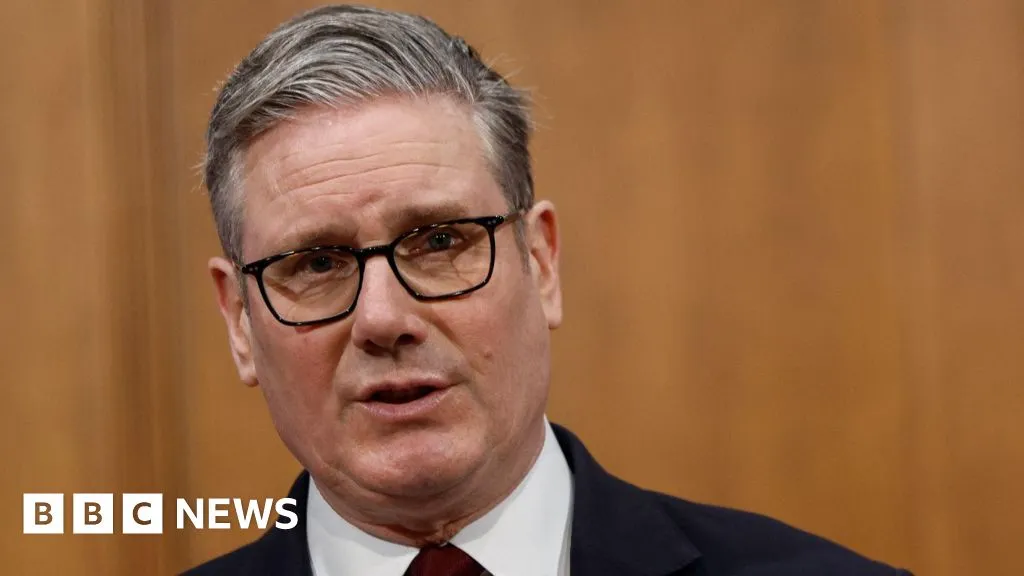
However, on March 16, 2026, Keir Starmer decisively stated that the UK will not be drawn into the wider war in the Middle East. This marked a significant shift in the UK’s foreign policy stance, as Starmer emphasized the importance of de-escalation.
In his announcement, Starmer highlighted that the UK is actively working with allies on a viable plan to reopen shipping lanes in the Strait of Hormuz, a critical area for global oil transport. He also underscored the need for the UK to invest in renewable energy to better control its own supply.
Starmer’s government announced £53 million in support for households reliant on heating oil due to rising costs, indicating a direct response to the domestic impact of international conflicts. Lower-income households are set to receive targeted support for their energy bills, reflecting a commitment to address the cost of living crisis.
Starmer articulated that the best approach to managing the cost of living is to reduce the conflict in Iran, stating, “The best way, though, to do this is to de-escalate and reduce the conflict, because that is the most effective way to deal with the cost of living.”
Moreover, he revealed that he had spoken with Donald Trump regarding the situation in the Middle East, suggesting a continued dialogue with US leadership while maintaining a distinct UK position.
Starmer’s decision not to join the initial US offensive was based on principles shared by the British people, emphasizing a cautious approach to military involvement. This decision reflects a broader sentiment among the public regarding military engagement in foreign conflicts.
Experts suggest that Starmer’s stance may resonate well with voters who are increasingly concerned about the implications of foreign wars on domestic issues, particularly energy costs. The focus on renewable energy investment aligns with growing public support for sustainable solutions.
As the situation evolves, the UK government’s approach to both international conflicts and domestic economic challenges will be closely monitored. Details remain unconfirmed regarding the long-term implications of Starmer’s policies on the UK’s foreign relations and energy strategy.