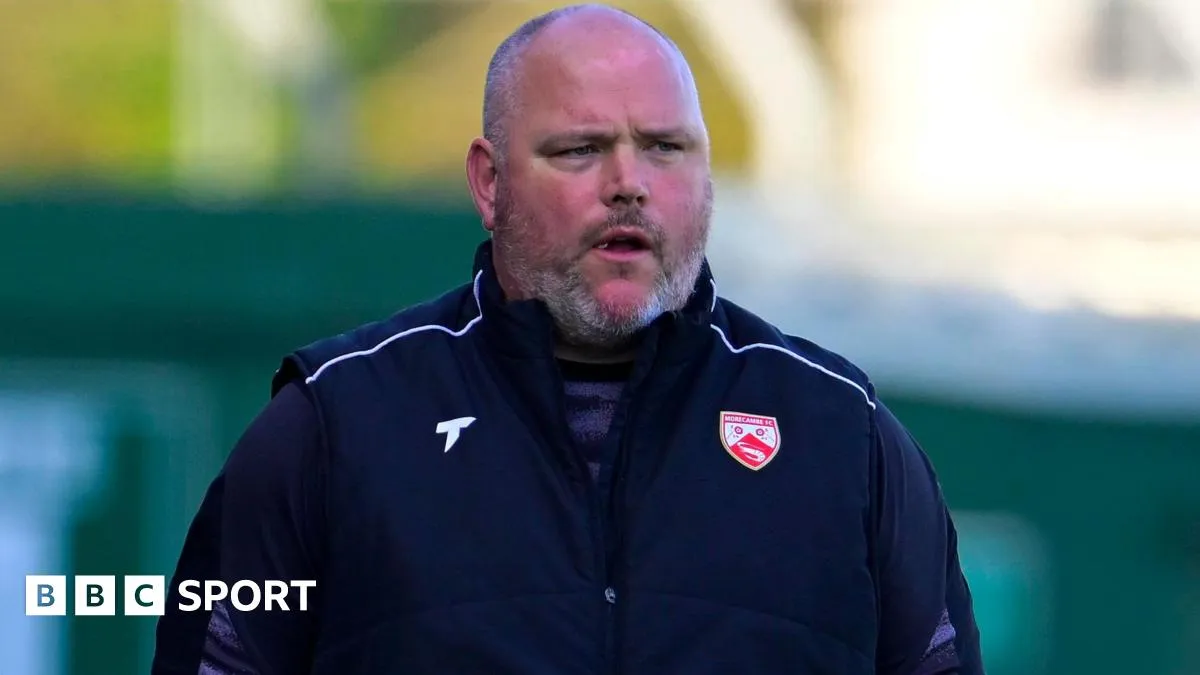
Before the recent developments, Jim Bentley was a central figure at Morecambe FC, having returned as the first team manager in February 2026 after the dismissal of Ashvir Singh Johal. Bentley’s history with the club is rich; he first joined as a player in 2002, later captaining the team to victory in the 2007 Conference National play-off final. His managerial tenure, which began in 2011 and lasted until 2019, made him the longest-serving manager in the top four divisions of English football at the time of his resignation. However, the club has faced a series of challenges, including financial turmoil and three successive relegations, dropping from League One to the National League North.
The decisive moment came when Bentley announced he would step down from his role as first team manager at the end of the season. This decision follows a particularly difficult period for Morecambe FC, culminating in a devastating 5-1 defeat to Woking, which sealed their relegation to the National League North. The club’s struggles have been compounded by financial issues, including late wages and transfer embargoes, leading to their suspension by the National League in 2025. Bentley, despite stepping down, will remain with the club in a new role, focusing on both footballing and non-footballing areas.
The immediate effects of this change are significant for both Bentley and Morecambe FC. For Bentley, stepping down from the managerial position allows him to shift his focus to supporting the club’s development in a broader capacity. Kuljit Singh Momi, the chairman of Morecambe FC, expressed his gratitude for Bentley’s contributions, stating, “Not only is Jim a Morecambe footballing legend, and I thank him most sincerely for his efforts and contribution over the last three months, he is also a great ambassador for the club.” This sentiment underscores Bentley’s enduring legacy at Morecambe, even as he transitions away from direct managerial responsibilities.
For Morecambe FC, the search for a new first team manager is already underway, marking a critical juncture in the club’s history. The club’s recent performance, with only four wins during Bentley’s second spell as manager, highlights the challenges that lie ahead for his successor. The financial instability that has plagued the club since 2022 will likely be a significant factor in attracting potential candidates for the managerial role. The new manager will need to navigate these challenges while also working to restore the club’s competitive edge.
Experts in football management emphasize the importance of stability during such transitions. The departure of a long-standing figure like Bentley can create uncertainty, but it can also provide an opportunity for fresh ideas and strategies. The club’s ability to rebound from its current predicament will depend heavily on the new manager’s vision and the support from the board and fans alike. As Momi noted, Bentley’s passion and knowledge will continue to benefit Morecambe, suggesting that his influence will remain a guiding force as the club seeks to rebuild.
Moreover, the context of Morecambe FC’s financial struggles cannot be overlooked. The club was taken over by Panjab Warriors in August 2025 after a prolonged ownership dispute, which has added another layer of complexity to their current situation. The new ownership will play a crucial role in determining the club’s future direction and financial stability, which are essential for any new manager looking to make an impact.
As Morecambe FC embarks on this new chapter without Bentley at the helm, the focus will be on how the club can recover from its recent setbacks. The combination of Bentley’s continued involvement and the appointment of a new manager presents a unique opportunity for the club to redefine its identity and aspirations. The road ahead may be challenging, but with the right leadership and support, Morecambe FC can aim to rise from the ashes of its recent relegation and financial woes.