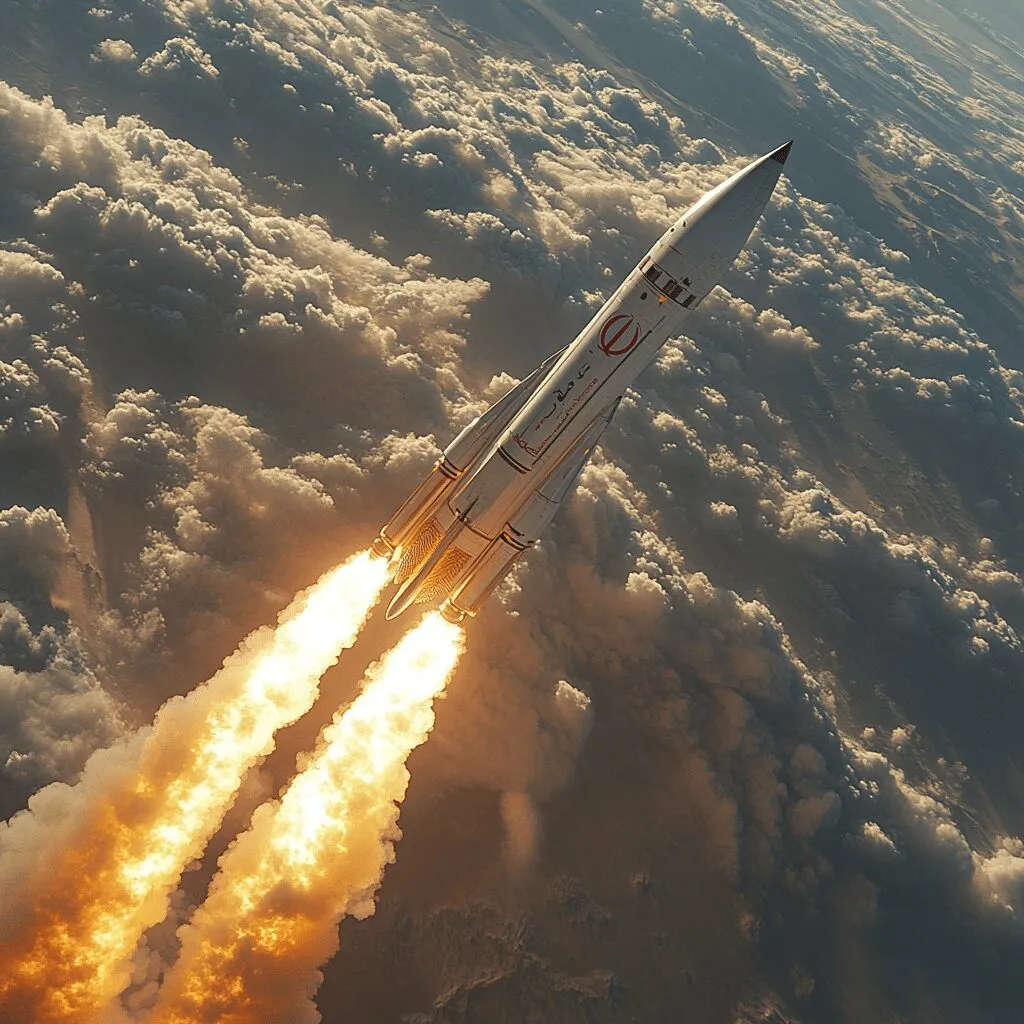
Before the recent missile strikes, expectations regarding Iranian missile capabilities were largely centered on their development for space programs and regional deterrence. Iran has consistently denied allegations of pursuing nuclear weapons, focusing instead on enhancing its missile technology for non-military purposes.
However, a decisive moment occurred when Iranian missiles struck two Israeli towns, Dimona and Arad, which are located near a sensitive nuclear site. This unprecedented attack left several individuals injured and marked a significant escalation in the ongoing tensions between Iran and Israel.
The immediate effects of this development have been profound. The Israeli military’s defenses were reportedly unable to intercept the missiles, raising serious questions about the effectiveness of their current missile defense systems. This failure has prompted discussions within Israel about the need to bolster their defense capabilities against potential future attacks.
Military experts have begun to analyze the implications of this incident. They suggest that Iranian missiles may have the capability to reach European cities, which could dramatically alter the security landscape in the region and beyond. The ability of Iranian missiles to strike targets at such distances poses a new challenge for European defense strategies.
Furthermore, Iran’s ongoing development of longer-range missiles, initially intended for its space program, has raised alarms among Western nations. The dual-use nature of missile technology complicates international relations, as it blurs the lines between civilian and military applications.
Experts emphasize that this incident may lead to a reevaluation of defense policies not only in Israel but also among its allies. The question remains whether current defense systems can effectively counter the evolving threat posed by Iranian missile technology.
In light of these developments, the geopolitical landscape in the Middle East is becoming increasingly complex. The potential for further escalation is significant, as both Iran and Israel may feel compelled to reassess their military strategies in response to this incident.
Details remain unconfirmed regarding the full extent of the damage and the implications for future military engagements. As the situation unfolds, the international community will be closely monitoring the responses from both Iran and Israel.