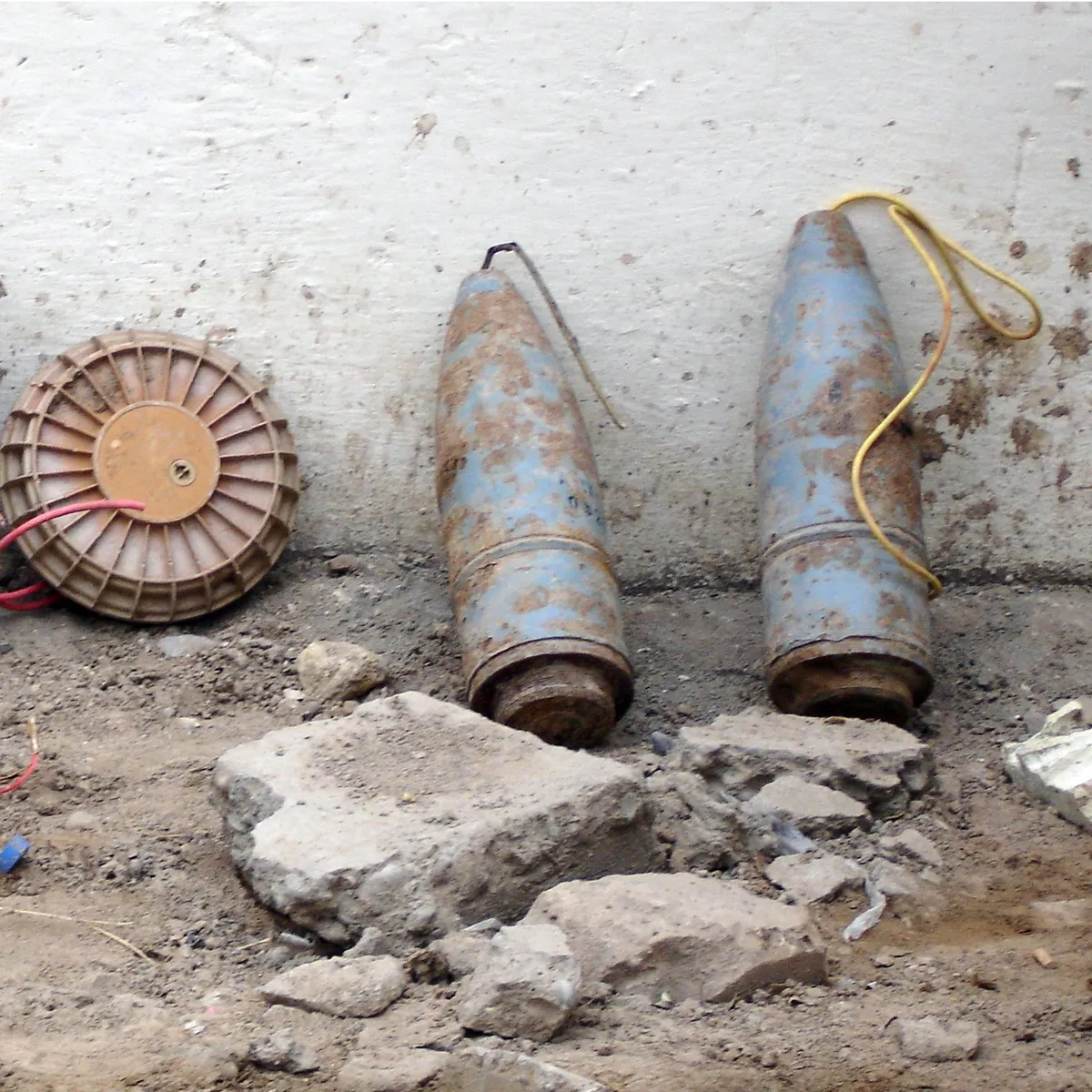
On March 15, 2026, the Nigerian Army extended an invitation to media and civil society organizations to verify the authenticity of improvised explosive devices (IEDs) recovered in Imo State. This initiative came in response to allegations that images of these recovered devices, published on March 12, were manipulated.
The recovery of the IEDs occurred during Operation Eastern Sanity, which is being conducted simultaneously in Imo and Anambra states. Lieutenant Colonel Olabisi Olalekan Ayeni, in a statement, confirmed that the devices were indeed recovered from locations including Orsu-Eketutu Mother Valley and Orsu-Ihiteukwa.
In an effort to maintain operational security, the Army blurred geolocation details on the published images. This decision has drawn scrutiny, with accusations from the Army that sympathizers of the Indigenous People of Biafra (IPOB) have manipulated the metadata of these images.
Lieutenant Colonel Ayeni emphasized the importance of verifying information through official channels, urging the public to refrain from sharing unverified claims. “To disarm the propaganda and build public confidence, Headquarters Operation UDO KA invites media executives, correspondents, civil society organisations and individuals genuinely concerned about the authenticity of the recoveries to come forward for verification,” he stated.
The verification tour aims not only to confirm the authenticity of the recovered IEDs but also to bolster public confidence in the Army’s operations. The Army has claimed that troops have successfully dislodged numerous camps and IED-manufacturing facilities linked to IPOB and the Eastern Security Network (ESN).
As the situation develops, the Nigerian Army remains committed to its role as a professional and apolitical institution. The ongoing operation and the subsequent verification efforts are crucial for addressing public concerns and countering misinformation.
Details remain unconfirmed regarding the full extent of the recovery operations and the specific locations of the dismantled facilities. However, the Army’s proactive approach in inviting scrutiny reflects an effort to enhance transparency in its operations.
As the verification process unfolds, the implications for both the Nigerian Army and the groups involved in the conflict in the region are significant, particularly in terms of public perception and operational integrity.