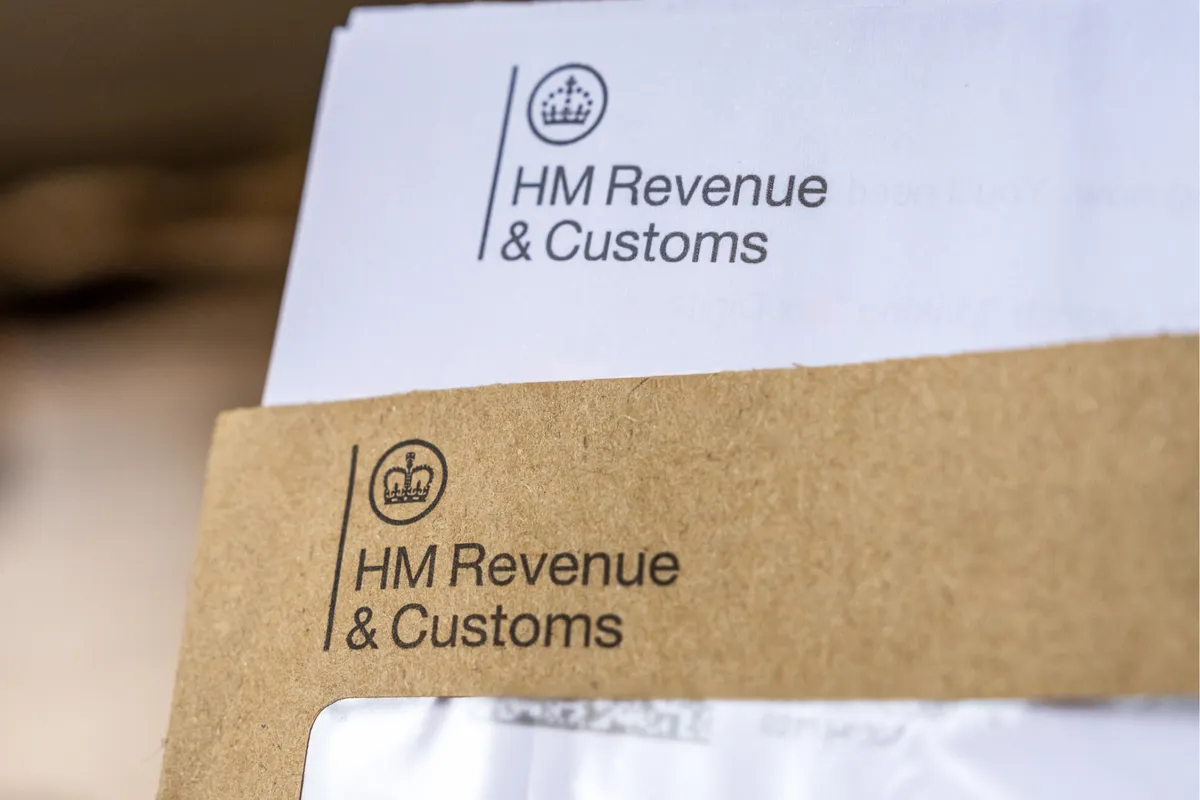
HMRC has been attempting to stem the number of cheques it issues for several years to reduce costs and streamline operations. Despite these efforts, hundreds of thousands of taxpayers are missing out on HMRC refunds worth an average of £800. This situation has raised concerns about the effectiveness of the current system.
In the previous year, HMRC issued a staggering 1.7 million cheques to those owed rebates, yet 178,180 of these cheques were never cashed, amounting to a combined value of £144 million. The tax authority has been working to reduce the number of cheques it issues, moving towards a more efficient system.
Starting in 2024, HMRC began contacting customers through alternative methods unless they specifically requested a cheque. Most taxpayers will receive a P800 letter around June, following the end of the tax year in April, instructing them to request payment via bank transfer. This shift aims to ensure that overpaid taxes reach individuals more reliably and promptly.
However, approximately 20 percent of taxpayers still remain on the old cheque system, with a complete transition to the new system expected by April 2027. Robert Salter, a tax expert, noted, “It is certainly a bit problematic that HMRC continues to use cheques to settle tax refunds in so many cases.”
Salter further emphasized the importance of taxpayers consistently opening their HMRC correspondence, stating, “Until people do consistently open their HMRC correspondence, there is always going to be a problem and delays with the tax refund process.” This highlights the communication challenges that contribute to missed rebates.
Additionally, tax overpayments can arise from various circumstances, including switching employers mid-year or being assigned an incorrect tax code. HMRC will always communicate via letter regarding any tax owed and may follow up with a text reminder if no action is taken.
For those who have uncashed cheques, it is important to note that they can no longer be cashed after six months, but a replacement can be issued upon request. However, it may become harder for HMRC to verify the rebate after nine years.
As the tax authority continues to adapt to a digital economy, Shaun Moore, another tax expert, remarked, “The data highlights how some parts of the tax system are still struggling to keep pace with a digital economy.” He advocates for accelerating the shift to digital processes to reduce friction in the tax refund process.
As HMRC works towards these improvements, observers will be watching closely to see how effectively these changes address the ongoing issue of missed tax rebates.