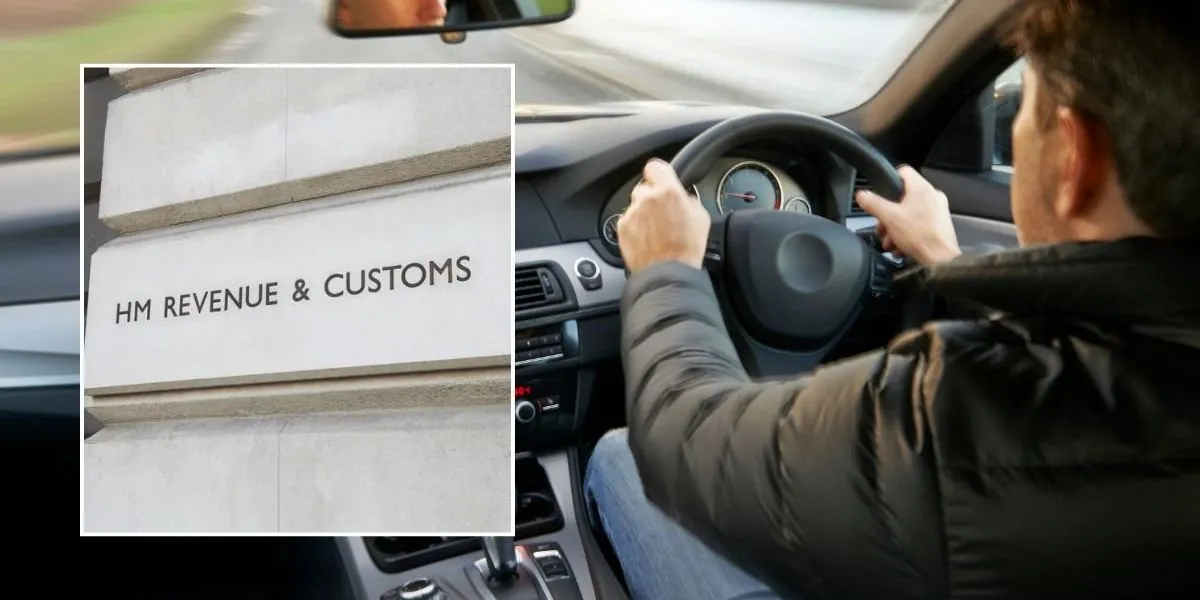
New VAT rates for road fuel charges have been introduced by HMRC, significantly affecting thousands of drivers in the UK. These changes took effect on May 1, 2026, and will remain in place until April 30, 2027.
The new structure includes specific VAT-inclusive charges based on CO2 emissions bands. For instance, vehicles emitting less than 120g of CO2 per kilometer will incur a charge of £657 for a 12-month period. Conversely, those emitting 225g/km or more will face a hefty charge of £2,297.
This adjustment is crucial because it reflects ongoing efforts to encourage lower emissions and promote environmentally friendly driving practices. Drivers can recover VAT in full or partially based on their business vehicle fuel consumption and the split between personal and business mileage. But how can they track this effectively? HMRC advises that drivers should calculate how much of the accounting period is used for business purposes and record it as a percentage.
The context behind these changes lies in HMRC’s annual updates to VAT rates for road fuel charges. This year’s adjustments come at a time when many are grappling with rising fuel pricing and the broader implications of CO2 emissions on climate change. Historically, these adjustments have aimed to incentivize cleaner vehicles by creating financial structures that favor lower emissions.
For vehicles without specified CO2 emissions figures, HMRC determines the applicable band based on engine size. Engines of 1,400cc or less fall under the 140g/km band, while those above 1,400cc but under 2,000cc are categorized under the 175g/km band. This classification system plays a pivotal role in how businesses manage their vehicle fleets and associated costs.
The implications of these new VAT rates are significant. Observers anticipate that many drivers will need to reassess their vehicle choices and consider more efficient options to mitigate rising costs associated with higher emissions bands. As awareness grows around sustainability, this could lead to shifts in consumer behavior towards greener alternatives.
The next update from HMRC is expected to further clarify any additional changes or implications regarding future VAT rates and their impact on road fuel consumption.