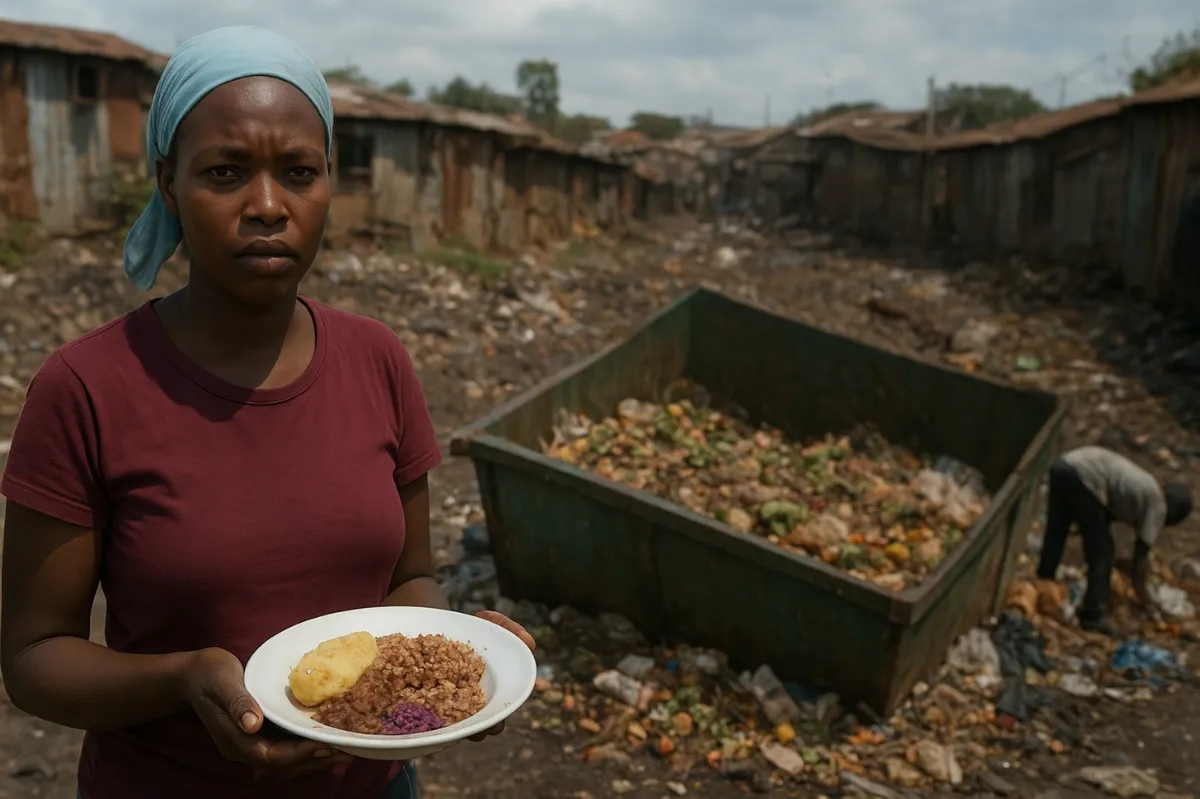
The introduction of a new weekly food waste collection service aims to significantly reduce the amount of edible food wasted in households across Wrexham. With around 60,000 households set to benefit, this initiative comes at a crucial time when food waste statistics reveal that approximately 33% of all food produced gets wasted every year.
Before this service, the expectation was grim. Food waste made up about a third of household rubbish, most of which ended up being incinerated rather than recycled. In Wrexham, under half of residents actively recycled their food waste, leading to an alarming trend: the average household discarded around £800 worth of edible food annually.
That context matters because it highlights the pressing need for change. The new collection service not only encourages recycling but also opens pathways for edible food donation. Imagine if even 25% of the current food loss were saved; it could feed around 870 million hungry people globally.
The immediate effects on households are promising. Residents now have an opportunity to reduce their waste footprint while contributing to a larger solution. Cllr Terry Evans noted, “Unfortunately, in Wrexham we’re seeing far too much food waste, and lots of it isn’t being recycled by residents.” This initiative might just be the catalyst for a shift in behavior.
Experts suggest that successful recycling initiatives can lead to significant changes in community habits. In contrast, countries like France have implemented strict regulations requiring supermarkets over 400 square meters to donate unsold edible food to charities. Such measures underline the importance of addressing the contradiction of treating edible food as waste.
The shift in Wrexham is not just about reducing landfill; it’s about fostering a culture of sustainability and responsibility. As community members engage with this new service, they might start questioning their own consumption habits. Why are we still treating edible food as waste in the first place? This question could be pivotal in changing perceptions surrounding food waste.