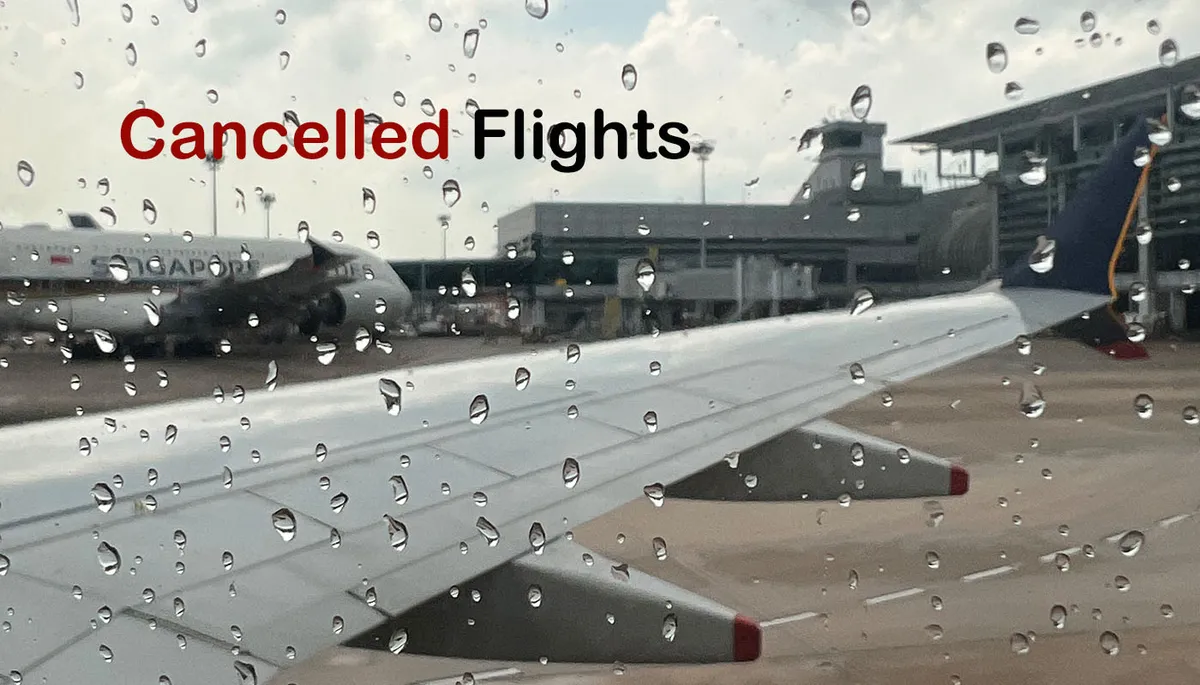
The UK is facing a potential summer of flight cancellations as airlines cut millions of seats from their schedules due to soaring jet fuel prices, driven by the ongoing conflict in the Middle East.
Specifically, airlines have slashed approximately two million seats, leading to about 13,000 fewer flights operating worldwide in May. Lufthansa alone has canceled 20,000 short-haul flights through its CityLine subsidiary. This situation reflects a broader trend affecting the UK aviation market, which is grappling with significant disruptions.
That context matters because the price of jet fuel has more than doubled since the US-Israel attack on Iran. The UK, being the largest net importer of jet fuel in Europe, now faces potential shortages as the closure of the Strait of Hormuz has cut off nearly 30% of Europe’s aviation fuel shipments. Consequently, airlines may need to ration fuel supplies.
The UK government has responded by relaxing ‘use-it-or-lose-it’ slot rules, allowing airlines to cancel flights without losing their rights to slots at airports. This move aims to give carriers more flexibility during these challenging times. Yet, it raises questions about how sustainable this approach will be if fuel shortages persist.
Airlines are currently operating normally according to Airlines UK, but experts warn that could change rapidly. Bryan Terry remarked, “If we reach the stage of [fuel] rationing, you enter a world of trade-offs.” Observers expect that if the crisis continues, further cuts will follow—”The longer the crisis goes on, the more cuts should be expected,” noted Cirium.
As airlines navigate these turbulent waters, uncertainties loom large. The long-term impact of the Middle East conflict on jet fuel supply and flight operations remains unclear. Additionally, it remains uncertain how airlines will adjust their schedules in response to ongoing fuel shortages.
This summer could be one of the most challenging seasons for travelers in the UK. With rising costs and fewer flights available, passengers may face significant disruptions and increased ticket prices—predicted to rise by 10-15% if rationing occurs.