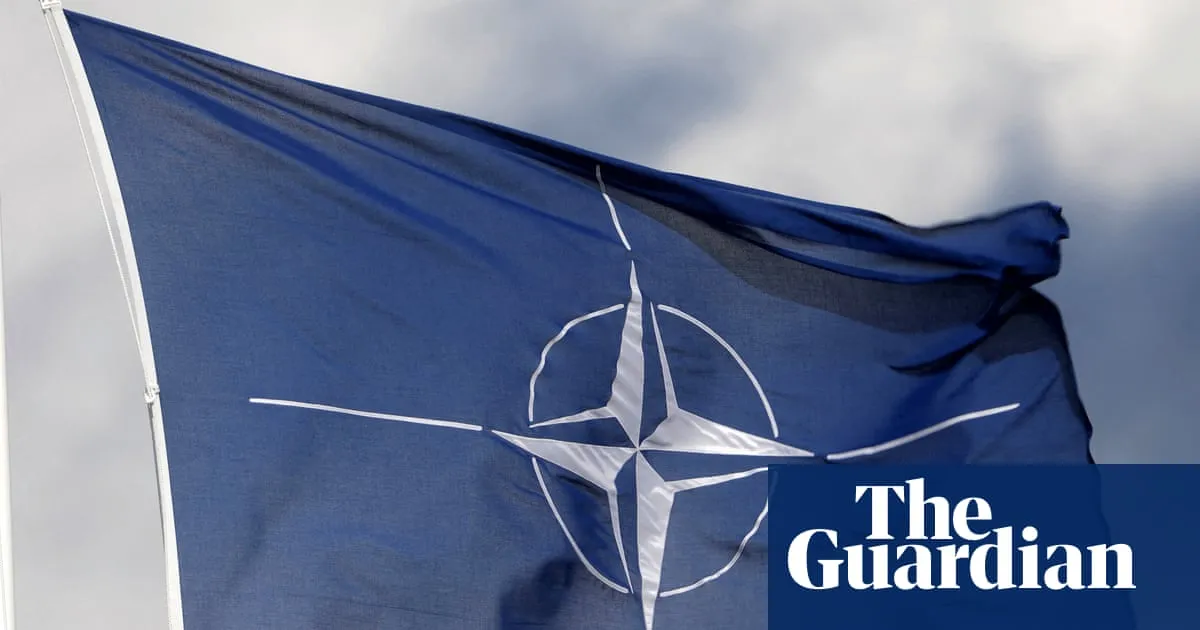
NATO’s recent engagement with the film industry has raised a crucial question: is art being weaponized for propaganda? The alliance is holding closed-door meetings with film and TV professionals across Europe and the US, aiming to influence public perception regarding security issues.
This initiative, which includes a planned meeting in London, has prompted accusations that NATO is seeking to manipulate artistic expression for its own ends. Alan O’Gorman, a prominent figure in the Writers’ Guild of Great Britain, called it “outrageous and clearly propaganda.” The meetings are part of a broader strategy to bolster public support for increased defence spending, particularly in light of rising tensions following the Russian invasion of Ukraine.
That context matters because defence spending in Ireland has surged to record levels amid these geopolitical shifts. An Ipsos poll indicates that 49% of voters in the Republic of Ireland oppose joining NATO, while only 19% support it. This division highlights the delicate balance NATO must strike as it seeks greater relations with artists to foster public backing.
The upcoming London meeting will focus on the evolving security situation in Europe and beyond. It follows three previous meetings where NATO officials have engaged with screenwriters to explore how storytelling can shape narratives around security policies. As one NATO official stated, this is part of a series aimed at fostering dialogue between writers and military strategists.
But why involve screenwriters specifically? The rationale lies in their unique ability to shape narratives that resonate with audiences. Screenwriters can craft compelling stories that may influence public perception about military alliances and defence strategies. However, this approach raises ethical concerns about the potential manipulation of art for political ends.
As O’Gorman pointed out, many individuals involved in creative industries come from countries that have suffered due to wars NATO has joined or propagated. This complicates their relationship with an organization perceived by some as a military aggressor rather than a peacekeeper.
The next steps are unclear. While NATO continues its outreach efforts, critics remain vocal about the implications for artistic integrity and freedom. The debate around these meetings will likely intensify as more details emerge about how they plan to engage with filmmakers and writers moving forward.