Introduction
Wuthering Heights, the only novel by Emily Brontë, first published in 1847, is widely regarded as a cornerstone of English literature. Its themes of passionate love, revenge, and the tumultuous clash of social classes continue to resonate with readers today. As a part of the Victorian literary canon, this novel not only showcases Brontë’s innovative narrative techniques but also reflects the societal norms of the time, making it relevant even in contemporary discussions about literature and human relationships.
The Complex Characters of Wuthering Heights
The novel tells the story of Heathcliff, an orphan raised by the Earnshaw family, and his obsessive love for Catherine Earnshaw, which leads to a cycle of vengeance that haunts the characters through generations. The depth and complexity of the characters, notably the tortured soul of Heathcliff and the strong-willed Catherine, have intrigued scholars and readers alike for over a century. Brontë’s portrayal of their tumultuous relationship raises questions about love, morality, and the consequences of unchecked passion.
Literary Significance and Adaptations
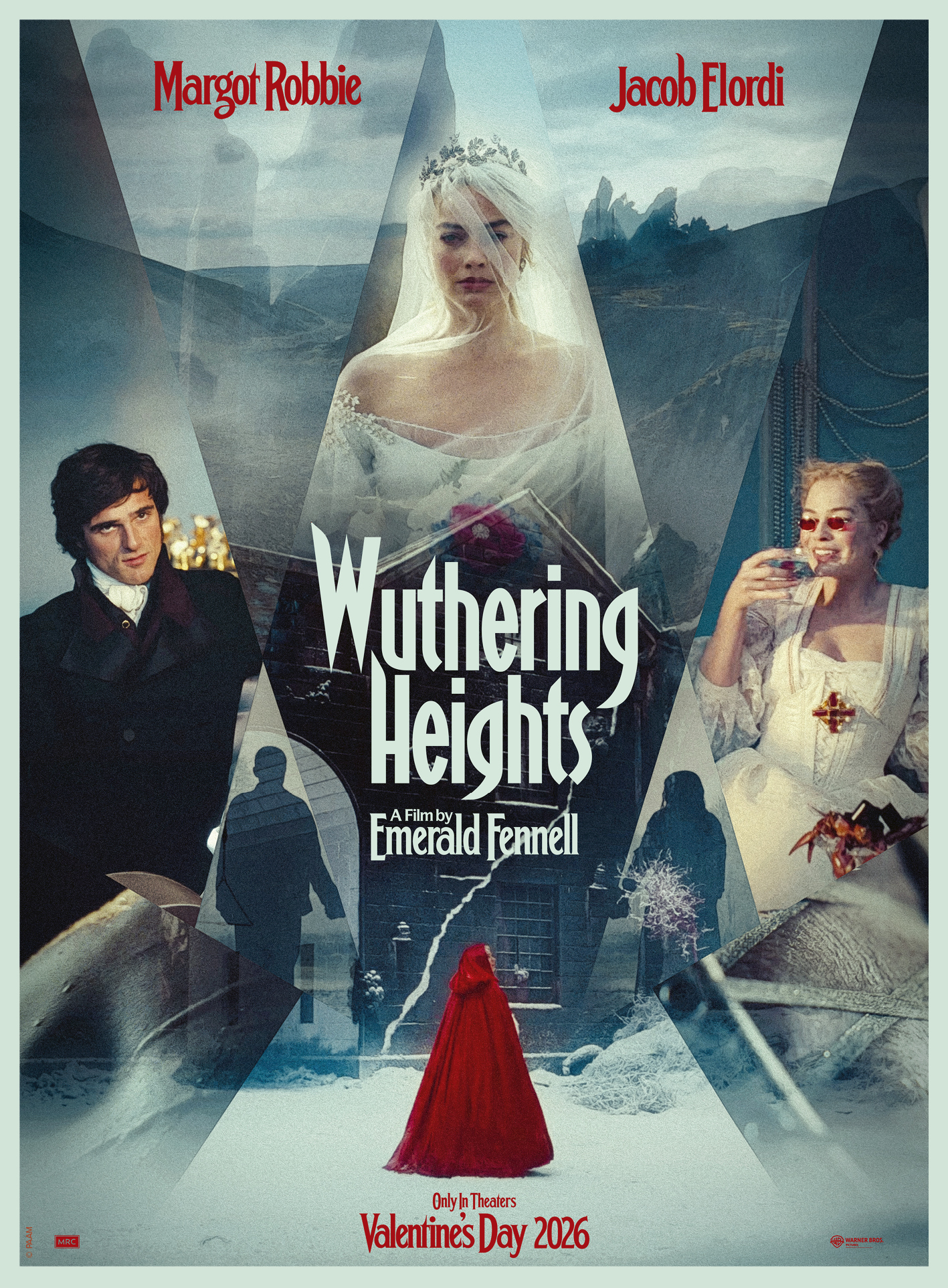
Wuthering Heights broke the mould of traditional storytelling by employing a multi-layered narrative and unreliable narrators, thus inviting various interpretations. The novel’s gothic elements, emotional intensity, and exploration of the darker sides of human nature paved the way for future literary movements, including Modernism. The work has inspired numerous adaptations, ranging from film and theatre to even modern retellings and graphic novels, highlighting its lasting impact on popular culture.
Conclusion
The enduring legacy of Wuthering Heights lies in its profound exploration of human emotions and complex relationships. As readers continue to engage with the novel, its themes remain relevant. Discussions surrounding love, revenge, and the social constraints of the 19th century provide valuable insights into contemporary issues such as gender, class, and mental health. As we revisit this classic work, it becomes clear that Wuthering Heights is not merely a story from the past but a narrative that continues to provoke thought and inspire generations of readers and writers alike.