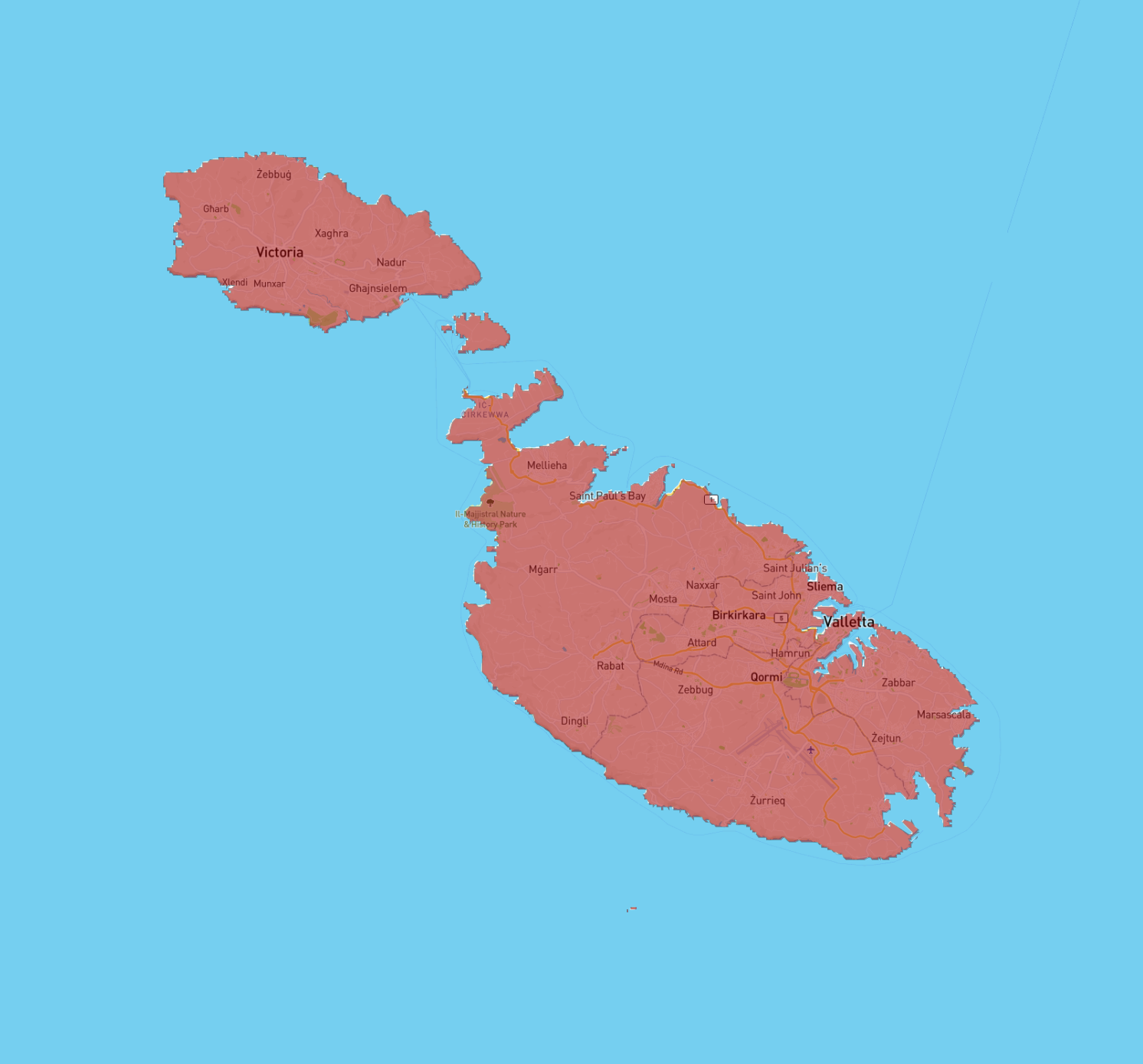
The Importance of Malta
Malta, an archipelago located in the central Mediterranean, holds a significant place in history, culture, and tourism. Its strategic location has made it a melting pot of various civilisations over millennia, attracting visitors for its rich heritage, stunning landscapes, and vibrant lifestyle. In recent times, Malta’s relevance has surged, particularly within the European Union, leading to increased interest in its political and economic developments.
Historical Significance
Malta’s history dates back to prehistoric times, with some of the oldest free-standing structures in the world, such as the Megalithic Temples, dating to around 3600 BC. It has been ruled by various powers, including the Romans, Arabs, Knights of St. John, and the British, each leaving an indelible mark on the island’s culture. Valletta, the capital city, is a UNESCO World Heritage site and serves as a testament to the architectural brilliance and historical richness of the island.
Cultural Landscape
Malta’s cultural scene is vibrant and diverse, featuring a blend of traditions from Europe, North Africa, and the Middle East. The Maltese language, a unique combination of Arabic and Italian influences, exemplifies this blend. Festivals such as Carnival and the celebration of local saints attract both locals and tourists, showcasing the island’s lively spirit. Furthermore, Malta’s cuisine, characterised by Mediterranean flavours, remains a highlight for visitors, with local dishes like pastizzi and rabbit stew being must-tries.
Tourism Developments
Tourism is a key driver of Malta’s economy, with recent statistics indicating a rapid post-pandemic recovery. In 2022, Malta welcomed over 2.5 million tourists, a significant rebound compared to previous years. The government has heavily invested in the tourism sector, promoting sustainable practices to protect its natural landscapes, including the stunning Blue Lagoon and various dive sites that attract snorkelers and divers alike. The Malta Tourism Authority continues to launch campaigns to appeal to different demographics, including families, adventurers, and cultural enthusiasts.
Conclusion
Malta stands as a vital and enchanting destination in the Mediterranean, with its rich history, diverse culture, and booming tourism industry. As the country continues to navigate the challenges and opportunities within the European framework, it remains a place of intrigue and beauty for visitors from around the globe. Looking ahead, Malta’s commitment to sustainable tourism and heritage preservation will be essential in maintaining its status as a premier travel destination, ensuring that it continues to offer both historical depth and natural beauty for generations to come.