Introduction
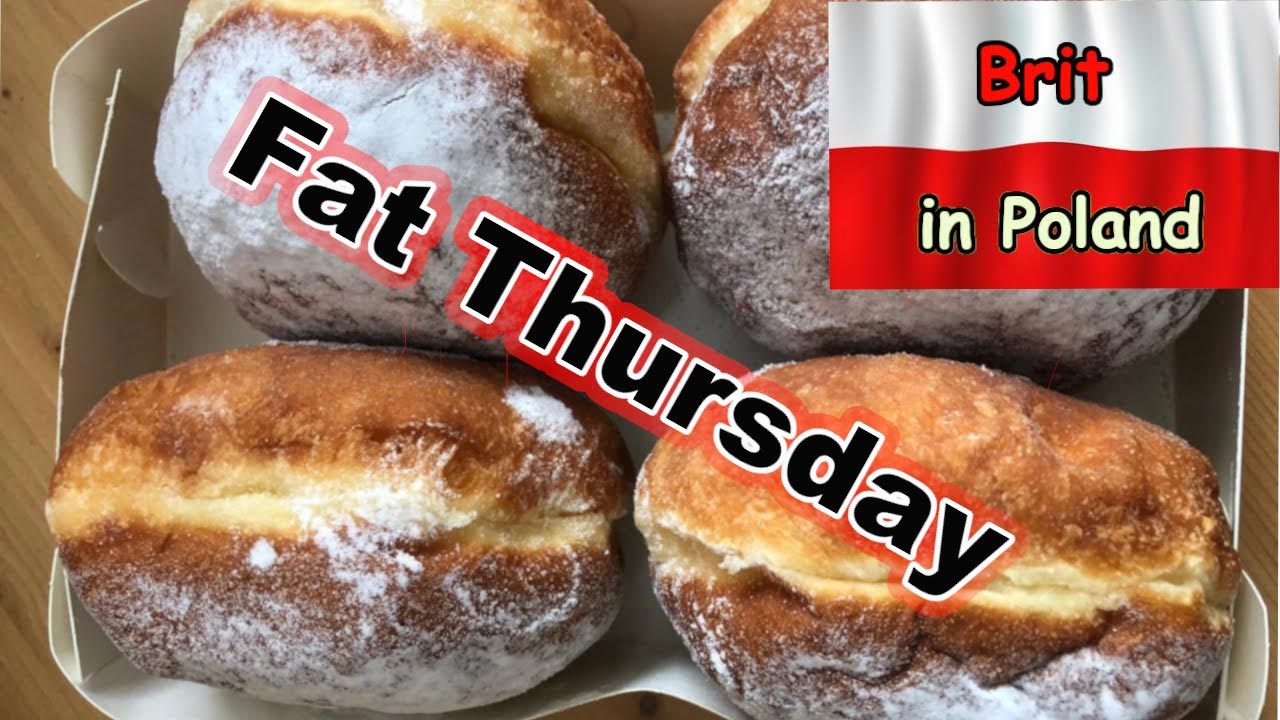
Fat Thursday, known as Tłusty Czwartek in Polish, is a cherished culinary tradition that marks the last Thursday before Lent. This day is significant not only for its indulgence but also for its cultural roots in Poland. As people prepare to enter the fasting period of Lent, Fat Thursday allows a final celebration of feasting, particularly revolving around the traditional Polish doughnut, or pączek. The occasion is celebrated with great enthusiasm across the country, highlighting the importance of food in Polish culture and community.
Celebration and Traditions
On Fat Thursday, bakeries and pastry shops overflow with pączki, which are filled with a variety of delicious fillings, primarily fruit preserves, sweet creams, or even chocolate. The popularity of these pastries skyrockets during this festive period, with an estimated consumption of over 10 million pączki each year in Poland. Bakeries often see long queues as eager participants seek to indulge in these sweet treats.
Celebrations extend beyond just food, as families and friends gather to enjoy the day together. It’s common for workplaces to host celebrations, with employees bringing in pączki to share. Schools and social clubs also organise events, creating a festive atmosphere where community spirit thrives.
Historical Significance
The origins of Fat Thursday can be traced back to ancient times when people would feast before the austere days of Lent. It is believed that the tradition has its roots in a time when families would use up all their rich ingredients, such as sugar, butter, and eggs, to prepare for the fasting season. The practice evolved into a joyful celebration, symbolising abundance and togetherness.
Contemporary Observances
In recent years, the popularity of Fat Thursday has also ventured beyond Poland’s borders. Polish communities worldwide commemorate the day, bringing the custom of enjoying pączki to places like the United States, Canada, and the UK. Events such as Polish festivals and community gatherings during the week of Fat Thursday help foster cultural ties and pride among Polish expatriates.
Conclusion
Fat Thursday is more than just a day of eating; it embodies Polish heritage, the spirit of community, and the joy of indulging in life’s sweeter moments. As people gather to celebrate with friends and family, it reinforces social bonds and allows for reflection on traditions that have stood the test of time. With the event growing in popularity both locally and globally, Fat Thursday continues to be a sweet highlight of Polish culture, encouraging future generations to embrace and pass on the heritage of this delightful celebration.