“I am saying openly: I am against it. But if I am given conditions that Ukraine will not receive weapons, then, excuse me, I am powerless on this issue, I told our friends in Europe that this is called blackmail,” stated Ukrainian President Volodymyr Zelensky, highlighting the pressure he faces from the European Union regarding the restoration of the Druzhba oil pipeline.
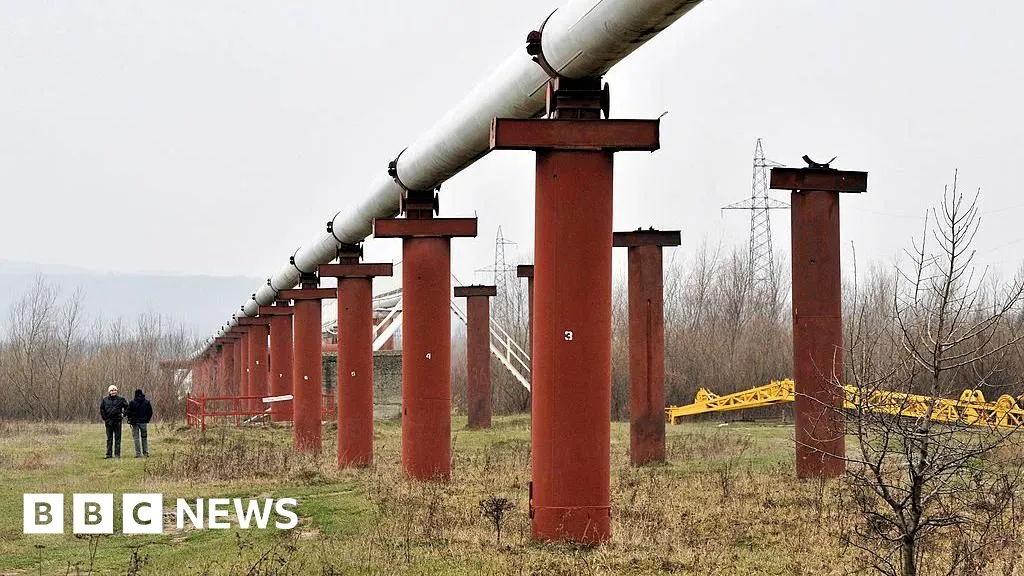
The Druzhba pipeline, a crucial Soviet-era infrastructure, was damaged in a Russian strike earlier this year, leading to significant disruptions in oil supplies. Repairs to the pipeline are expected to take up to six weeks, a timeline that has raised concerns among Hungary and Slovakia, both of which rely heavily on this pipeline for their energy needs.
Hungary has threatened to block EU aid to Ukraine unless the pipeline is reopened, intensifying the pressure on Zelensky. The European Commission has proposed a mission to inspect the pipeline, further emphasizing the urgency of the situation.
Zelensky has expressed his opposition to restoring the flow of Russian crude oil, arguing that it would be akin to lifting economic sanctions on Moscow. “We either sell Russian oil or we don’t. Because [the EU] are forcing me to restore Druzhba,” he remarked, illustrating the difficult position he finds himself in.
He further clarified, “If we have decided to restore Russian oil supplies, then I want them to know that I am against it. And there is no need to accuse me of blocking anything. I am not blocking it,” emphasizing his stance against the EU’s demands.
The EU’s decision to loan Ukraine €90 billion has been adopted by all 27 member countries, but Zelensky insists that Ukraine would require both financial support and technology in return for any agreements regarding the pipeline.
As the situation unfolds, Zelensky’s comments reflect the delicate balance he must maintain between meeting EU expectations and addressing the geopolitical implications of allowing Russian oil to transit through Ukraine.
Hungarian Prime Minister Viktor Orban has made hostility towards Ukraine a key issue ahead of upcoming elections, further complicating the dynamics at play.
Details remain unconfirmed regarding the timeline for repairs and the EU’s next steps in this ongoing negotiation.