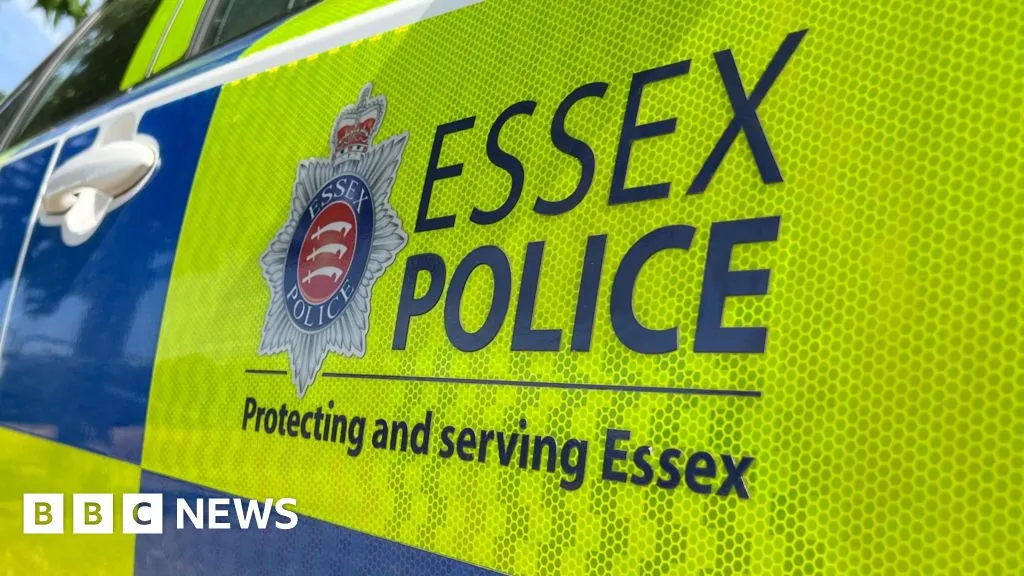
In recent developments concerning police conduct in the UK, the case of ex-temporary Sergeant James Hicks has raised significant questions about accountability within law enforcement. Hicks, who had served for nine years, was expected to uphold the standards of the Essex Police force, particularly given his rank. However, his actions have led to a serious breach of trust, both with the public and his colleagues.
The misconduct allegations against Hicks stem from a series of incidents that occurred while he was on duty. Notably, Hicks ignored a nearby emergency call, which is a fundamental responsibility of any police officer. Instead of responding to the call, he chose to turn off his radio while visiting a female police staff member with whom he was in a personal relationship. This decision not only jeopardized public safety but also raised concerns about the integrity of police operations.
During an accelerated hearing, the misconduct panel found Hicks guilty of gross misconduct. The evidence presented included his unauthorized visit to the female staff member’s home, where he had no policing purpose, and the fact that he shared an image of a police-related incident via Microsoft Teams. Such actions are particularly troubling as they suggest a misuse of police resources and a failure to prioritize public service duties.
Hicks was found parked alone in a marked police car at the time he ignored the emergency call. This behavior was deemed unacceptable by the misconduct panel, which concluded that the allegations against him were substantiated and amounted to gross misconduct. Chief Constable Harrington expressed disappointment, stating, “I expect supervisors to lead and set an example, supporting their colleagues and being available to respond to the needs of the public.” This statement underscores the expectation of police officers to maintain high standards of conduct and accountability.
Although Hicks had resigned from the force prior to the hearing, the panel indicated that he would have faced dismissal without notice had he still been employed. Furthermore, Hicks will be placed on the Police Barred List, which prevents him from serving in any police capacity in the future. This decision reflects the seriousness of his misconduct and serves as a warning to others within the force about the consequences of such behavior.
The implications of this case extend beyond just the individual involved. It raises important questions about the culture within police forces and the measures in place to ensure accountability. Observers are keenly watching how Essex Police will address these issues moving forward, particularly in terms of restoring public trust and ensuring that officers adhere to the highest ethical standards.
As the situation develops, it remains crucial for law enforcement agencies to reflect on their practices and reinforce the importance of duty and integrity among their ranks. The actions of officers like Hicks can have far-reaching effects on community relations and the overall perception of police effectiveness. Ensuring that such misconduct is addressed decisively is vital for maintaining public confidence in the police.