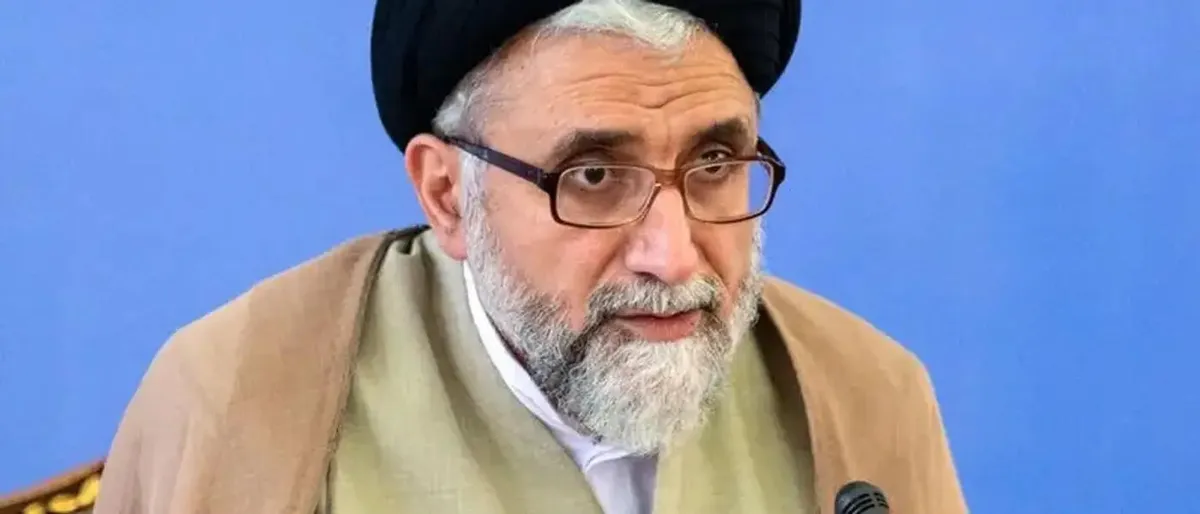
In a significant development, Israel has claimed responsibility for the assassination of Esmail Khatib, Iran’s intelligence minister, on March 18, 2026. This incident marks a notable escalation in the ongoing conflict between Israel and Iran, with Khatib’s death being part of a broader military strategy authorized by Israeli Defense Minister Israel Katz.
Khatib, who was appointed as Iran’s intelligence minister in August 2021, was reportedly close to the new supreme leader, Mojtaba Khamenei. His ministry has been accused by the Israeli military of being responsible for both internal repression within Iran and external threats to Israel and its allies. The assassination follows the deaths of two other prominent Iranian figures, Ali Larijani and Gholamreza Soleimani, within a 24-hour period, indicating a potentially coordinated effort by Israel to target key Iranian officials.
Israel’s military strategy has been underscored by Katz’s recent statements, which emphasized that “no one in Iran has immunity, and everyone is a target.” This policy reflects Israel’s long-standing approach of preemptively neutralizing perceived threats from adversaries, particularly high-ranking Iranian officials. The Israeli military has stated that the completed strikes are part of a phase aimed at deepening damage to the core systems of what they describe as the “Iranian terror regime.”
In a related move, the U.S. State Department has offered a $10 million reward for information leading to Khatib, highlighting the international dimension of the conflict. Khatib was previously sanctioned by the U.S. Treasury in 2022 due to his alleged involvement in cyber operations against U.S. interests. This reward underscores the significant concern surrounding Khatib’s role within the Iranian government.
The broader context of this assassination is framed by the ongoing U.S.-Israeli military operations against Iran, which have reportedly resulted in the deaths of around 2,000 individuals. This figure reflects the scale of the conflict and the high stakes involved for both sides. As tensions continue to escalate, the implications of Khatib’s death could reverberate throughout the region.
While Israel has confirmed the assassination, details remain unconfirmed by Iranian authorities. The Iranian government has historically been reticent to acknowledge such losses, particularly when they involve high-ranking officials. This silence may indicate a strategic decision to downplay the incident while assessing its ramifications.
Reactions to the assassination have varied, with Israeli officials expressing a sense of vindication in their ongoing campaign against Iranian influence. Katz has indicated that significant surprises are expected across all fronts, suggesting that Israel may be preparing for further military actions against Iran and its allies, including Hezbollah in Lebanon.
As the situation develops, the international community will be closely monitoring the responses from Iran and its allies, as well as any potential retaliatory measures that may arise in the wake of Khatib’s assassination. The unfolding events highlight the precarious balance of power in the region and the potential for further escalation in hostilities.