The wider picture
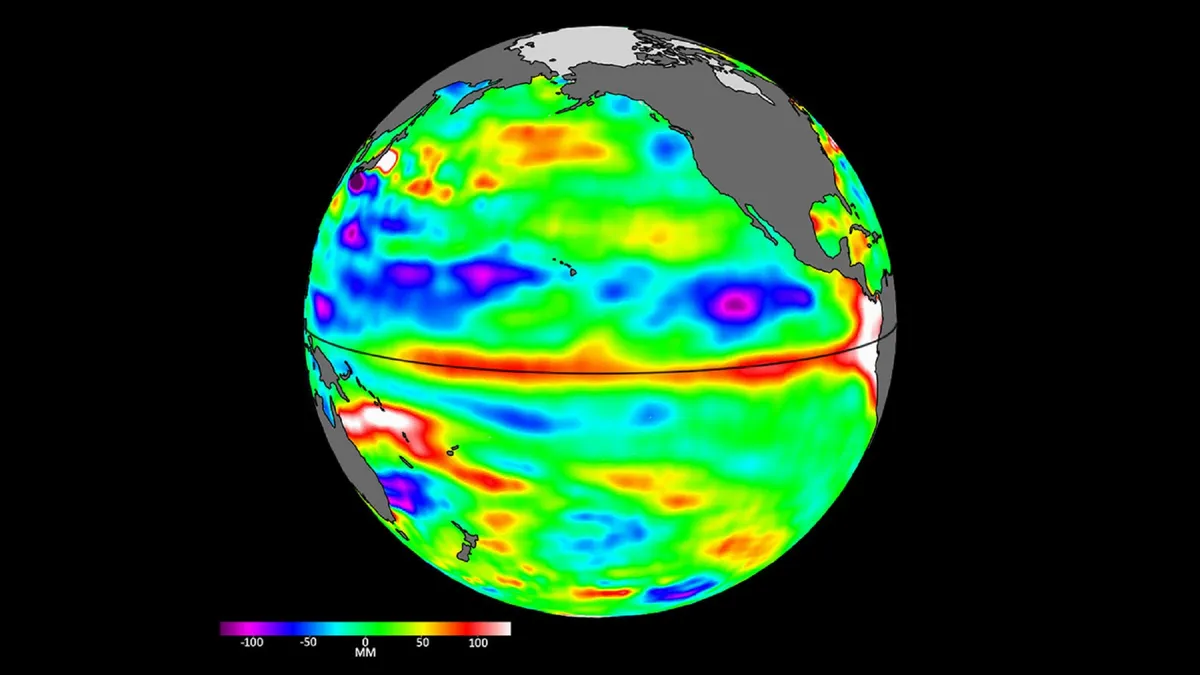
El Niño is a disruption in the usual pattern of water and air movement in the Pacific Ocean, occurring roughly every two to seven years. Historically, this phenomenon has been known to significantly affect fishermen off the western coast of South America, leading to mass death in the food chain they relied on. The implications of El Niño extend far beyond local fishing communities, as it can trigger extreme weather events globally, influencing agriculture, water supply, and overall climate.
Currently, the world is facing the emergence of a strong El Niño event, with a reported 80 percent chance of its occurrence. This development comes at a time when the past 11 years have been the warmest since records began in 1850. The World Meteorological Organization (WMO) has warned that the rapid and large-scale changes to the global climate are likely to cause damaging effects that could last for centuries.
Experts are increasingly concerned about the potential impacts of this El Niño event. Daniel Swain, a climate scientist, stated, “Whew. All signs are increasingly pointing to a significant, if not strong to very strong, El Niño event.” Such a strong El Niño generally makes the whole world warmer, which could exacerbate existing climate issues.
In addition to rising temperatures, the WMO has indicated that changes in the location, intensity, and frequency of droughts, floods, heat waves, and hurricanes are all likely to occur as a result of this climatic phenomenon. Ben Noll, another climate expert, emphasized the seriousness of these potential changes, highlighting the interconnectedness of weather patterns and their global repercussions.
The El Niño event of 2023/24 reportedly contributed to 2024 being Earth’s warmest year on record. As global average temperatures reached approximately 1.43°C above pre-industrial levels in 2025, the implications of El Niño on climate change are becoming increasingly evident. Eric Webb pointed out that due to the increasing concentration of greenhouse gases, the climate system cannot effectively exhaust the heat released in a major El Niño event before the next one comes along, pushing the baseline temperature upward again.
As the situation develops, observers are keenly watching the potential for a ‘super El Niño’, which has a 22 percent chance of occurring by August. Such an event could have even more severe implications for global weather patterns and climate stability. Dr. John Kennedy noted, “If we transition to El Niño, we will see an increase in global temperature again – and potentially to new records.” This statement underscores the urgency of understanding and preparing for the impacts of El Niño.
In summary, the current El Niño event is not just a cyclical weather phenomenon; it is a significant factor in the ongoing climate crisis. With the potential to alter weather patterns and increase global temperatures, the implications of El Niño are far-reaching, affecting ecosystems, economies, and communities worldwide. As we move forward, it is crucial to monitor these developments closely and understand their implications for our planet’s future.