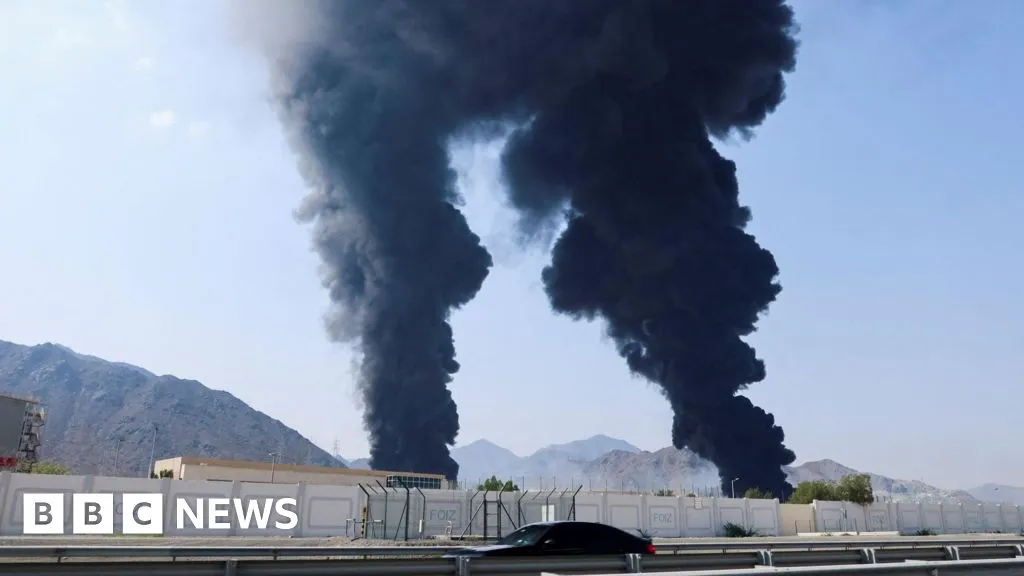
The ongoing Dubai Iran war has escalated dramatically, with a drone attack disrupting flights at Dubai International Airport and resulting in at least one fatality in Abu Dhabi due to a missile incident. Since the conflict began on February 28, the United Arab Emirates (UAE) has reported six deaths, including four civilians, highlighting the severe human cost of the hostilities.
Iran has launched over 1,800 missiles and drones at the UAE during this period, causing widespread concern among Gulf nations. The UAE’s Ministry of Defence confirmed that two falling drones injured four individuals near the airport, further emphasizing the conflict’s immediate impact on civilian safety.
In response to the escalating threat, the Saudi Ministry of Defence successfully intercepted three waves of drones, destroying 12 in the latest wave. This military action underscores the regional implications of the conflict, as Gulf Cooperation Council (GCC) members rally to address the Iranian aggression.
The GCC, alongside the United Kingdom and Jordan, has condemned Iran’s actions and called for de-escalation. The Foreign Office has also issued warnings against travel to the UAE due to the ongoing conflict, reflecting the international community’s concern over the situation.
Despite the turmoil, some aspects of daily life in Dubai persist. A local resident, Harper, noted, “The malls still seem to be busy,” suggesting that not all sectors are equally affected by the conflict.
Iran has justified its attacks on Gulf states by claiming that the presence of U.S. military bases makes these nations legitimate targets. This narrative has complicated the geopolitical landscape, as Arab leaders reassess their relationships with Iran amidst the ongoing hostilities.
Political analyst Zein Basravi remarked, “Arab leaders are addressing their relationship not just with Iran, where political collateral has been squandered in the last two and a half weeks of Iran’s retaliation.” This indicates a shift in regional dynamics as countries navigate their alliances.
Furthermore, Basravi noted that Gulf states are increasingly viewing the U.S. not as a stable, reliable partner, raising questions about future security arrangements in the region.
As the conflict continues, uncertainties remain regarding its long-term implications and potential resolutions. Details remain unconfirmed about the extent of military engagements and their effects on civilian populations.