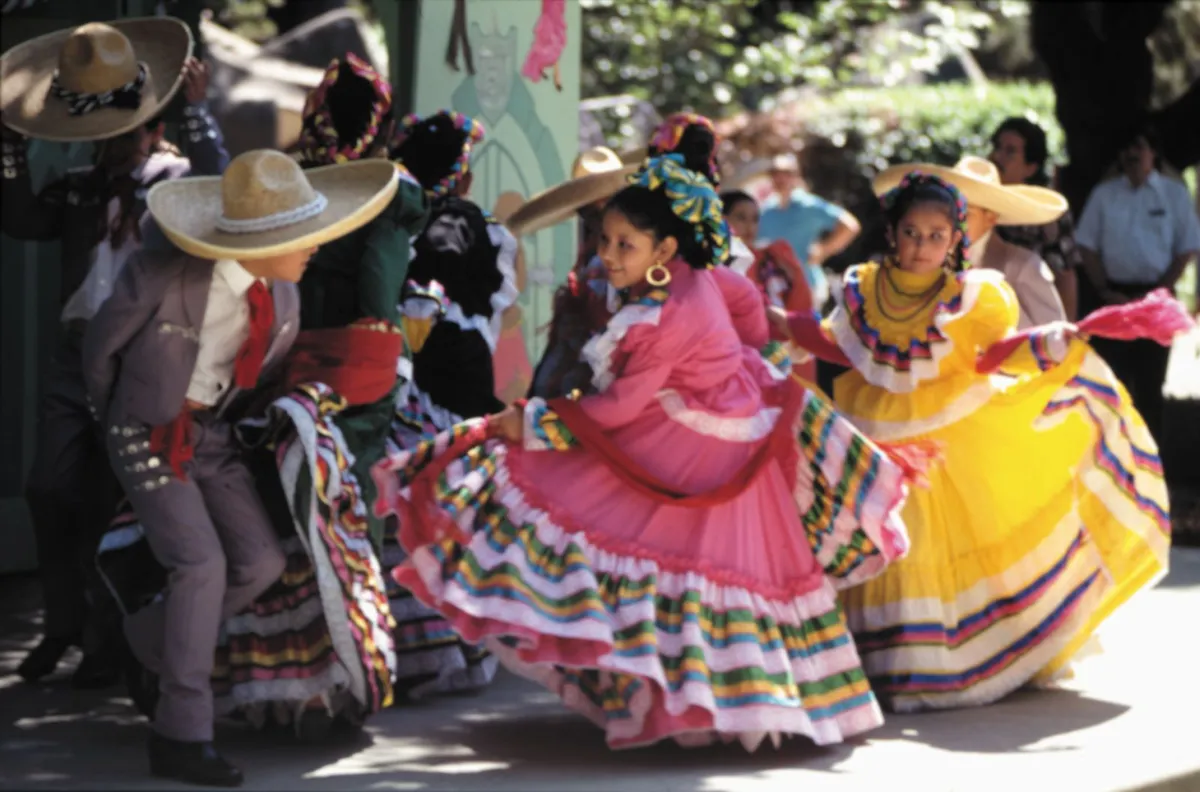
As Cinco de Mayo approaches on May 5, celebrations in the United States are increasingly focusing on honoring Mexican history and culture, rather than simply indulging in revelry. This shift highlights a growing awareness among communities about the significance of the holiday, which commemorates the 1862 victory of Mexican forces over French troops at the Battle of Puebla.
The holiday is not only a festive occasion but also a symbol of resilience for many Mexican Americans. Nayomie Mendoza, a community leader, emphasizes this connection: “It just showed resilience. So, on Cinco de Mayo we always make it a testament of our resilience.” This perspective reflects a broader trend where celebrations include traditional elements like mariachi music, folklórico dance, and authentic Mexican cuisine—moving away from stereotypes often associated with the day.
Historically, Cinco de Mayo has been more widely celebrated in the United States than in Mexico itself. In fact, many people confuse it with Mexican Independence Day, which is celebrated on September 16. This misunderstanding often stems from marketing stereotypes that promote excessive drinking—leading to terms like “Cinco de Drinko.” However, as awareness grows, festivities now often feature educational components that delve into the true history behind the holiday.
Key aspects of modern celebrations include:
- Parades showcasing cultural pride and heritage.
- Street food vendors offering traditional dishes.
- Mariachi competitions that highlight local talent.
This evolution also reflects broader trends within the Hispanic community in the U.S., where Hispanic-owned firms accounted for 8.4% of employers in 2024. The increasing visibility and influence of these businesses contribute to a richer understanding of Mexican culture during Cinco de Mayo.
Moreover, there’s a rising interest in diverse Mexican spirits. Sotol, produced from the Dasylirion plant—which takes 15 to 20 years to mature—is emerging as a third pillar alongside tequila and mezcal. As people become more curious about what they consume, they begin to appreciate not just the flavor but also the cultural heritage behind each drink.
Yet, while many celebrate with margaritas and other cocktails, there’s an underlying push for authenticity that prompts individuals to explore deeper connections with their heritage. As one commentator noted, “Instead of celebrating a stereotype, we might become curious about the real history and culture behind what is in our glass.” This sentiment echoes through various festivities across cities like Los Angeles and San Antonio.
The future of Cinco de Mayo looks promising as communities continue to embrace their roots while sharing them with others. Observers expect that as more people engage with this cultural narrative, future celebrations will further enrich understanding and appreciation for Mexican history and traditions.