How it unfolded
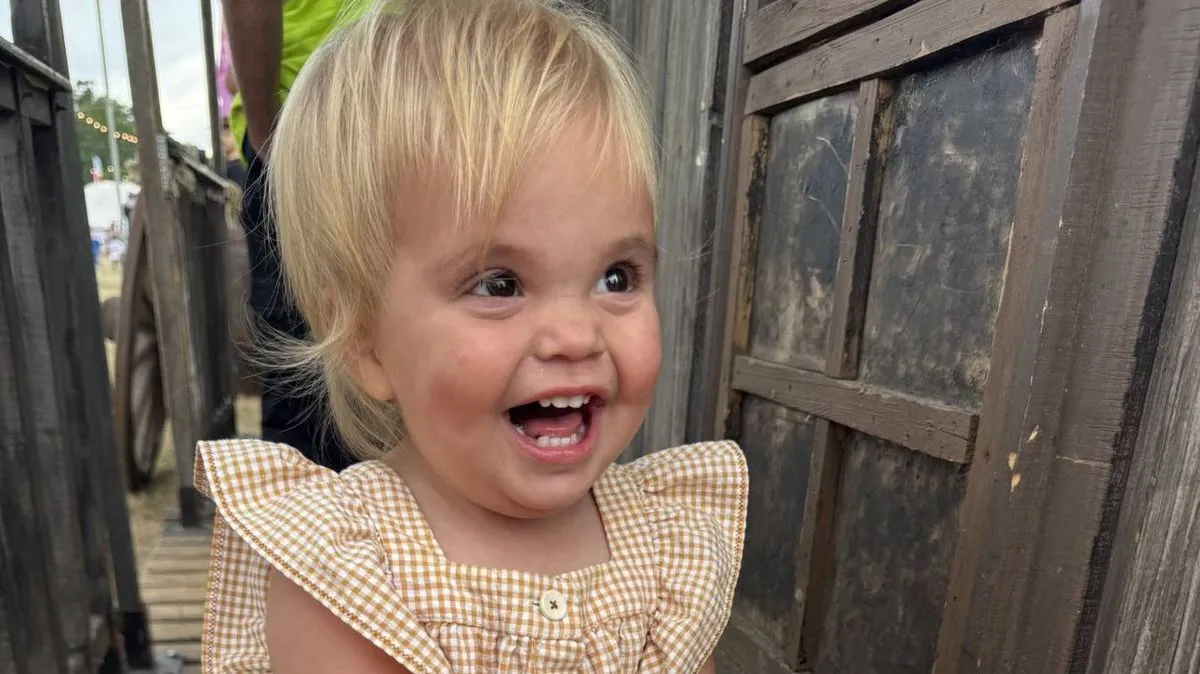
Just five months ago, a family in the UK faced a life-altering diagnosis. Leni Forrester, only two years old, was diagnosed with Sanfilippo disease, a rare genetic disorder often referred to as childhood dementia. This condition progressively damages the brain and leads to severe developmental decline. The Forrester family, including Leni’s parents, Emily and Gus, now find themselves navigating the complexities of a disease that has no approved treatments or cures in the UK.
Sanfilippo disease is caused by an enzyme deficiency that prevents the body from breaking down certain molecules, leading to irreversible damage. Typically, children with this condition begin to show symptoms around the age of three, losing their ability to walk, talk, eat, and drink. The reality of this diagnosis is stark; as Emily Forrester poignantly stated, “All your dreams for your child’s future are taken away.” The emotional toll on the family is immense, as they grapple with the knowledge that without treatment, Leni faces a grim future.
Currently, around 240 children born in the UK each year are affected by childhood dementia, a statistic that underscores the urgency of addressing this issue. The Forrester family is in a “race against time” to secure treatment for Leni. They believe that early intervention is crucial, as once the damage occurs, it cannot be reversed. Emily has expressed her fears, stating, “If we can’t get treatment, she will suffer the most awful physical and mental decline you can imagine and then die in her early to mid-teens.” This stark reality drives their advocacy for increased research funding.
In their quest for answers, the Forrester family has turned to Professor Brian Bigger, who has developed a gene therapy approach aimed at addressing childhood dementia. This innovative treatment could potentially change the lives of children like Leni, but it requires significant funding and support to move forward. The couple is also advocating for government funding for clinical trials, emphasizing the need for urgent action to facilitate research into potential treatments.
Moreover, the Forrester family is calling for newborn screening to enable earlier detection of rare genetic conditions like Sanfilippo disease. Early detection could lead to timely interventions that might alter the course of the disease. As they push for these changes, the family hopes to raise awareness about the challenges faced by families dealing with childhood dementia.
The situation is not just a personal struggle for the Forrester family; it reflects a broader issue affecting many families across the UK. With a 50 percent chance of being a carrier of the NAGLU gene, the implications of Sanfilippo disease extend beyond individual cases, highlighting the need for comprehensive research and support systems for affected families.
As the Forrester family continues their fight, they represent the countless families impacted by childhood dementia. Their story serves as a reminder of the importance of advocacy, research, and the urgent need for effective treatments. The journey ahead is fraught with challenges, but their determination to secure a better future for Leni and other children like her remains unwavering.