Prior Expectations
In recent months, California had been navigating a relatively stable security landscape, with law enforcement agencies focused on local crime and community safety. The state’s law enforcement had not anticipated any significant external threats, particularly from foreign entities. However, the geopolitical climate shifted dramatically with the escalation of U.S. military actions against Iran, leading to a reassessment of potential risks to the West Coast.
Decisive Moment
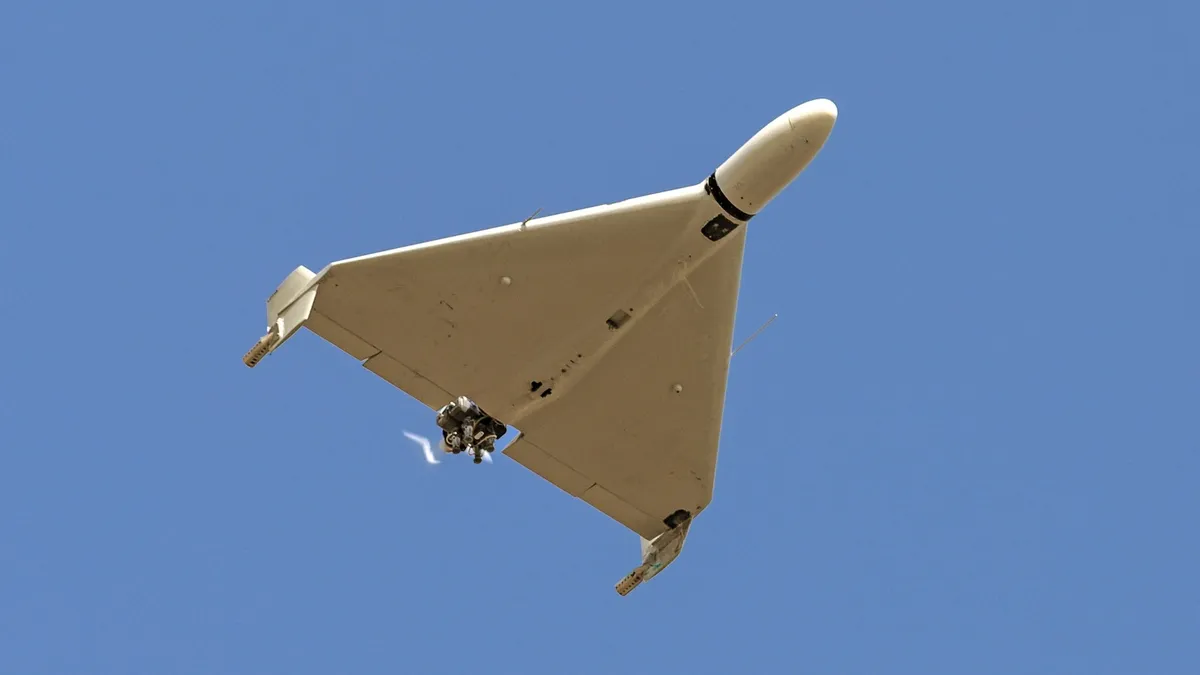
On March 11, 2026, the FBI issued a warning to California police departments, indicating that Iran might retaliate for American attacks by launching drone strikes against the state. This warning was based on intelligence gathered as of early February 2026, suggesting that Iran was considering a surprise attack using unmanned aerial vehicles from an unidentified vessel off the U.S. coast. The warning prompted immediate action from state officials, including California Governor Gavin Newsom, who began coordinating with local and federal security agencies to enhance protective measures.
Direct Effects
The implications of the FBI’s warning were swift and significant. Governor Newsom’s office announced that they were actively working with state, local, and federal security officials to bolster community safety. The Los Angeles Sheriff’s Department, in particular, has maintained an elevated state of readiness, reflecting the seriousness with which they are treating the warning. Law enforcement sources have indicated that while the memo was cautionary, it was not deemed credible at this time, suggesting a complex landscape of threat assessment.
Expert Perspectives
In light of these developments, experts have weighed in on the potential ramifications of such a threat. “We have no additional information on the timing, method, target, or perpetrators of this alleged attack,” stated an FBI representative, emphasizing the uncertainty surrounding the situation. Meanwhile, Governor Newsom acknowledged the growing concerns, stating, “Drone issues have been top of mind and we’ve assembled some work groups specifically around those concerns.” This proactive approach indicates a recognition of the evolving nature of threats in the current geopolitical climate.
The warning from the FBI comes at a time of heightened tension following the Trump administration’s military actions against Iran, which began on February 28, 2026. This context has heightened fears of retaliation, particularly in states like California that are perceived as key targets due to their geographical location and political significance. The potential for drone incursions is not entirely new; there have been reports of drone activities along the U.S.-Mexico border linked to drug and human traffickers, raising questions about the security of U.S. airspace.
Uncertainties Ahead
Despite the heightened alert, significant uncertainties remain. It is unclear how Iran would successfully launch a drone attack against California, given the extensive monitoring and defense capabilities in place. Additionally, the credibility of the threat remains unconfirmed, as law enforcement sources have characterized the warning as cautionary. Details remain unconfirmed, leaving both officials and the public in a state of vigilance as they navigate these complex security challenges.
Looking Forward
As California grapples with this warning, the state’s emergency services are on high alert, prepared to respond to any potential threats. The collaboration between various levels of government and law enforcement agencies underscores the seriousness of the situation. As the geopolitical landscape continues to evolve, California’s approach to security and emergency preparedness will likely adapt in response to emerging threats, ensuring that the safety of its communities remains a top priority.