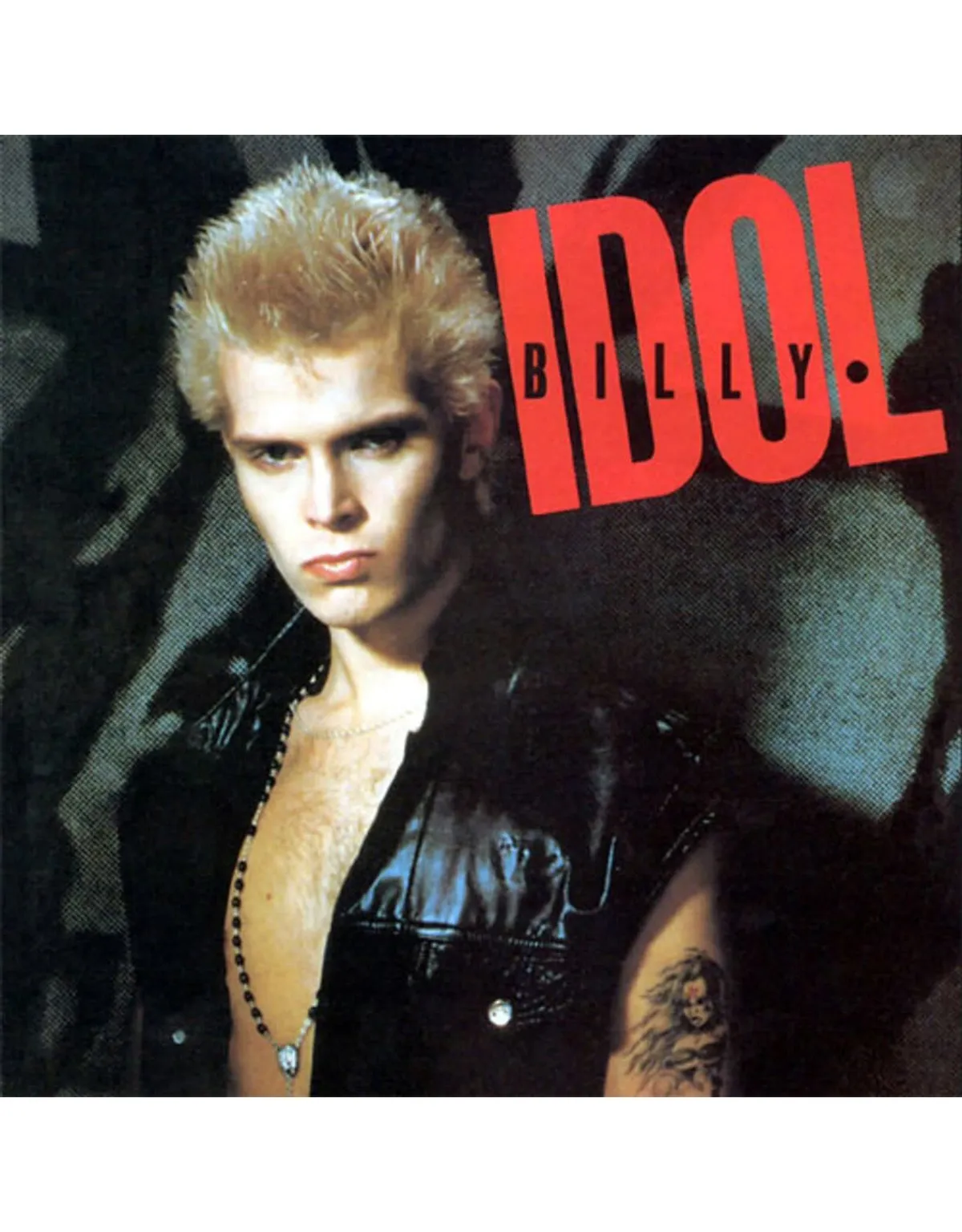
What motivated Billy Idol to overcome his drug abuse? The answer lies in a tragic moment that profoundly impacted his life: witnessing the death of comedian John Belushi. Idol, now 70 years old, has openly discussed how this event served as a wake-up call, prompting him to stop abusing drugs.
Idol described his relationship with drugs as tumultuous, reflecting on the wild lifestyle that characterized his early career. He stated, “I always had this voice telling me ‘you can’t do this forever,’” highlighting the internal struggle he faced amidst his fame.
In a recent interview with Anthony Mason, Idol expressed gratitude for his survival, saying he’s “super lucky” to be alive. This sentiment underscores the serious consequences of addiction and the importance of recognizing when to seek help.
Idol’s journey through addiction and recovery is documented in his film, “Billy Idol Should Be Dead,” which provides a candid look at his life and the challenges he faced. The documentary serves not only as a reflection of his past but also as a testament to his resilience.
His experiences are not just personal anecdotes; they resonate with many who have faced similar struggles. Idol’s story is a reminder of the potential for change and the importance of support systems in overcoming addiction.
As he continues to navigate his career and personal life, Idol also embraces his role as a grandparent, finding joy in family amidst the chaos of his past. This new chapter in his life offers a fresh perspective on what truly matters.
While Idol has made significant strides in his recovery, the journey is ongoing. Details remain unconfirmed about his future projects and how he plans to continue sharing his story with the world.
Ultimately, Billy Idol’s life is a powerful narrative of transformation, illustrating how moments of crisis can lead to profound change and a renewed sense of purpose.