A bacterial meningitis outbreak in Kent has led to the tragic deaths of two individuals, with health authorities confirming a total of 29 cases, including 20 confirmed and 9 suspected. The outbreak, which is linked to meningitis B, has raised significant health concerns in the region.
Dr. Ahmed, a health official, reported that the number of confirmed cases has decreased from 23 to 20, while suspected cases have also dropped from 11 to 9. This brings the total number of cases down from 34 to 29. However, the situation remains serious, as a nine-month-old child is currently in intensive care.
Four schools in Kent have reported confirmed or suspected cases of meningitis, including Queen Elizabeth’s Grammar School, where Year 13 student Juliette Kenny was among the fatalities. Other affected schools include Norton Knatchbull School, Simon Langton Grammar School for Boys, and Highworth Grammar School.
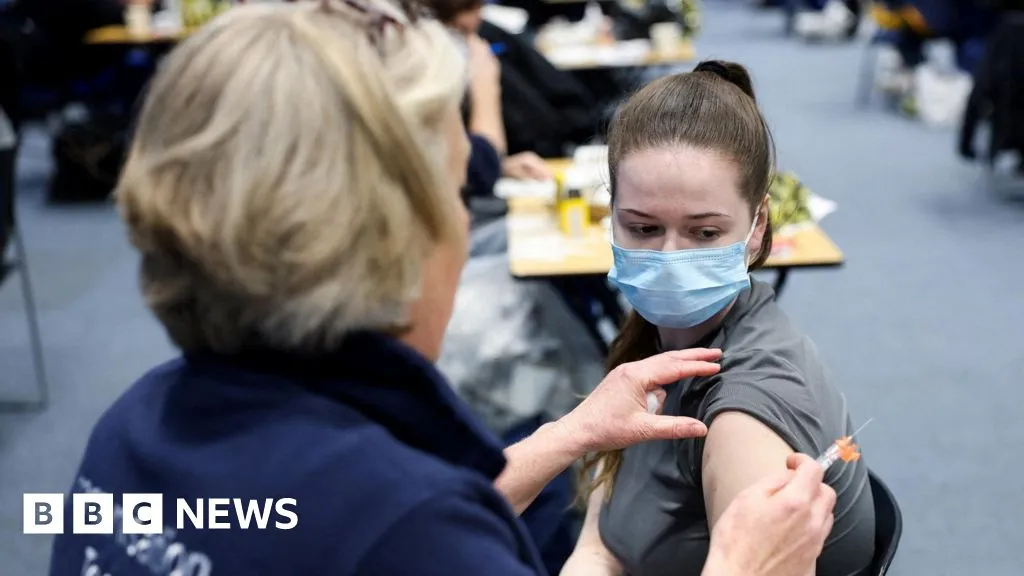
In response to the outbreak, over 9,078 meningitis B vaccines have been administered, alongside 12,595 courses of antibiotics provided to individuals deemed at risk. Health officials emphasize the importance of rapid treatment, as meningitis can lead to severe complications such as sepsis if not addressed promptly.
Dr. Ahmed explained that meningitis spreads through close contact, particularly through shared utensils and vapes that may carry bodily fluids. He noted that while the outbreak is alarming, it is not entirely unexpected, as the UK typically sees three to four hundred cases of meningitis B each year, often resulting in small outbreaks.
Despite the rapid onset of symptoms, which can occur within two days, Dr. Ahmed reassured the public that the characteristics of this outbreak do not suggest a potential for a larger national crisis or lockdown. Health authorities are closely monitoring the situation and encouraging vaccination and awareness to mitigate further spread.
As the community grapples with the impact of this outbreak, officials continue to provide updates and guidance to ensure public safety. The situation remains fluid, and further developments are anticipated as health measures are implemented.