Who is involved
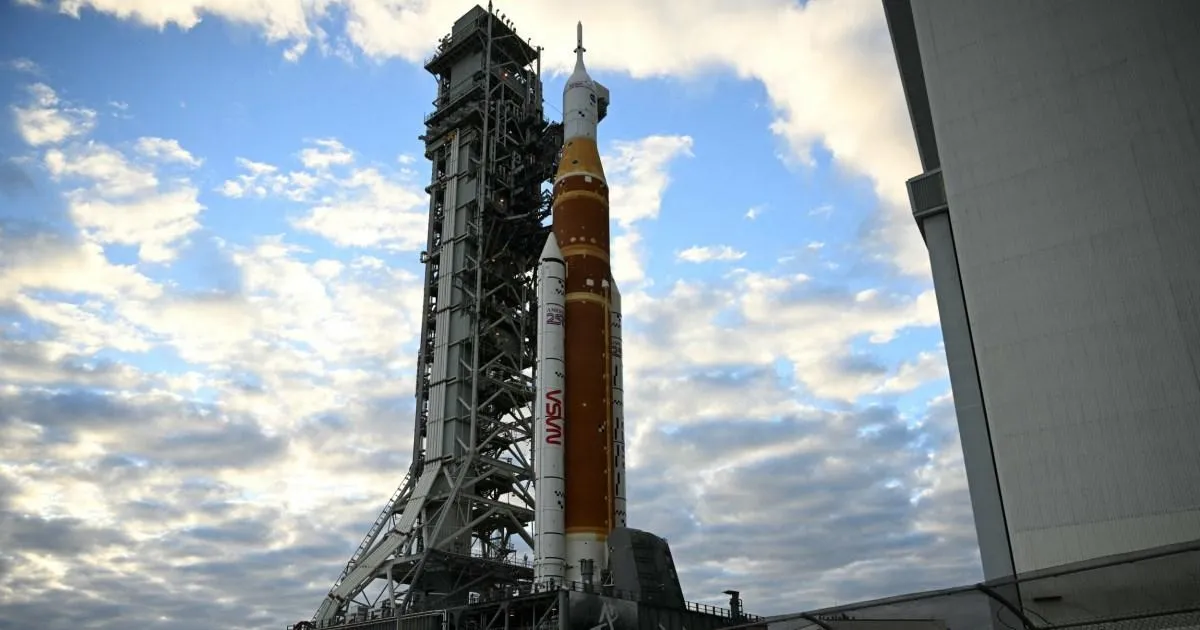
The Artemis rocket launch, scheduled for April 1, 2026, at Kennedy Space Center in Florida, is a significant milestone for NASA and space exploration. Before this development, expectations were high for the Artemis program, which aims to return humans to the moon and eventually to Mars. However, the program has faced numerous challenges, including technical issues and budget cuts, leading to delays in its missions.
The decisive moment came when NASA confirmed the launch of Artemis II, which will send a crew of four astronauts near the moon. This mission is particularly noteworthy as it will be the first time humans have left Low Earth Orbit in 53 years, since the Apollo 17 mission in 1972. The crew consists of three NASA astronauts—Reid Wiseman, Victor Glover, and Christina Koch—and one Canadian astronaut, Jeremy Hansen. The mission will last 10 days, involving a lap around the moon before splashing down in the Pacific Ocean.
The direct effects of this launch are profound. For NASA, it represents a critical step in its Artemis program, which has been under scrutiny due to previous delays—two in total for Artemis II alone. The mission’s success could reinvigorate public interest and investment in space exploration, while also enhancing international collaboration, particularly with Canada, through Hansen’s participation.
Moreover, the Artemis II launch is expected to draw significant attention, with an estimated 400,000 visitors flocking to Florida’s Space Coast for the event. This influx is expected to boost local economies, particularly as the launch coincides with spring break vacations, leading to many sold-out accommodations in the area. As Libby Jackson noted, “NASA are just taking their time, and they have to get everything right, and it will launch when it’s ready.” This sentiment reflects the careful planning and precision that NASA aims to achieve with this mission.
Experts emphasize the importance of this mission not only for NASA but for the future of space exploration. The Artemis program is seen as a stepping stone towards more ambitious goals, including potential human missions to Mars. The successful execution of Artemis II could pave the way for Artemis III, which is expected to launch in 2027, further solidifying NASA’s commitment to returning humans to the lunar surface.
In a broader context, the Artemis II mission symbolizes a renewed era of exploration and discovery. The last time humans were casually strolling—or moonwalking, as it were—on the moon was during the Apollo 17 mission in 1972. The anticipation surrounding Artemis II is palpable, as it signifies not just a return to the moon, but a leap toward future interplanetary travel.
As the launch date approaches, excitement builds, and the world watches closely. The Artemis II mission is not just a technical endeavor; it is a testament to human ingenuity and the enduring spirit of exploration. Details remain unconfirmed, but the implications of this mission are already being felt across the globe.