Introduction
The upcoming solar eclipse on 12 August 2026 is set to be a significant astronomical event, capturing the awe of enthusiasts and casual observers alike. Solar eclipses, which occur when the moon passes between the Earth and the sun, can result in moments of breathtaking beauty and curiosity. As the eclipse approaches, it is essential for the public to understand its significance, the best viewing locations, and safety precautions for watching the event.
What to Expect in 2026
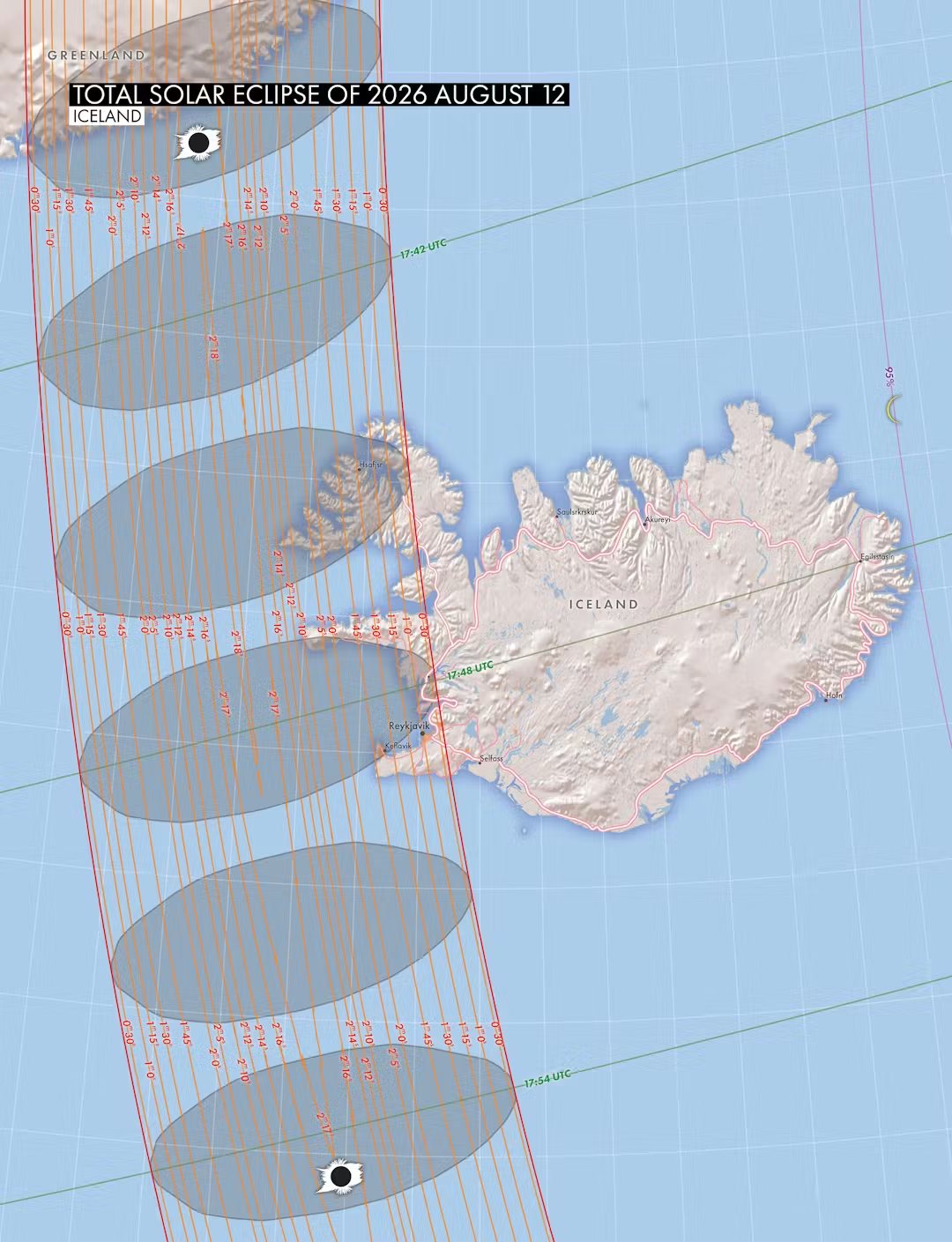
The path of the solar eclipse will predominantly cross the Arctic, parts of Greenland, Iceland, and Spain, allowing millions to witness the phenomenon. This total solar eclipse will last for a maximum of approximately 2 minutes and 30 seconds at its peak. In locations where it will be fully visible, observers can expect a temporary darkening of the sky, a drop in temperature, and a unique visual phenomenon where the sun is entirely obscured. For those outside the totality path, a partial eclipse will still be observable, providing a remarkable opportunity for many people to participate in this celestial event.
Significance of the Event
Solar eclipses have held considerable importance in cultural and scientific contexts throughout history. In many cultures, they have been viewed as omens or significant cosmic events. Scientifically, eclipses have allowed astronomers to make leaps in understanding solar phenomena, including the sun’s corona. The 2026 eclipse, in particular, presents a unique opportunity for both public engagement in science and outreach efforts. Schools, museums, and planetariums are likely to host events that encourage observation and learning about the dynamics of celestial mechanics.
Viewing Safely
As with any solar observation, safety is paramount. Looking directly at the sun, even during an eclipse, can lead to serious eye damage. Special solar viewing glasses or eclipse viewers certified to meet the ISO 12312-2 international safety standard are essential for safe viewing. Observers are encouraged to avoid using traditional sunglasses, as they do not provide adequate protection.
Conclusion
The solar eclipse of 2026 is shaping up to be a visually stunning and publicly engaging event, with immense potential for observational enjoyment and educational outreach. As the date approaches, citizens are encouraged to plan their viewing experiences wisely, ensure safety measures are in place, and consider the broader scientific and cultural contexts surrounding this significant celestial occurrence. Mark your calendars for 12 August 2026, and prepare to step into the magical moment where the sun, moon, and Earth align spectacularly.