Introduction
The Israeli-Palestinian conflict has long been a contentious issue, drawing passionate responses and activism worldwide. Among the prominent activist groups influencing public perceptions and policy in the UK is Palestine Action. Founded in 2020, this grassroots movement has gained attention for its direct action campaigns against Israeli arms companies, aiming to hold those implicated in the oppression of Palestinians accountable. The significance of Palestine Action lies in its approach to activism, which combines grassroots mobilization with radical tactics to draw attention to the plight of Palestinians.
Recent Events and Activities
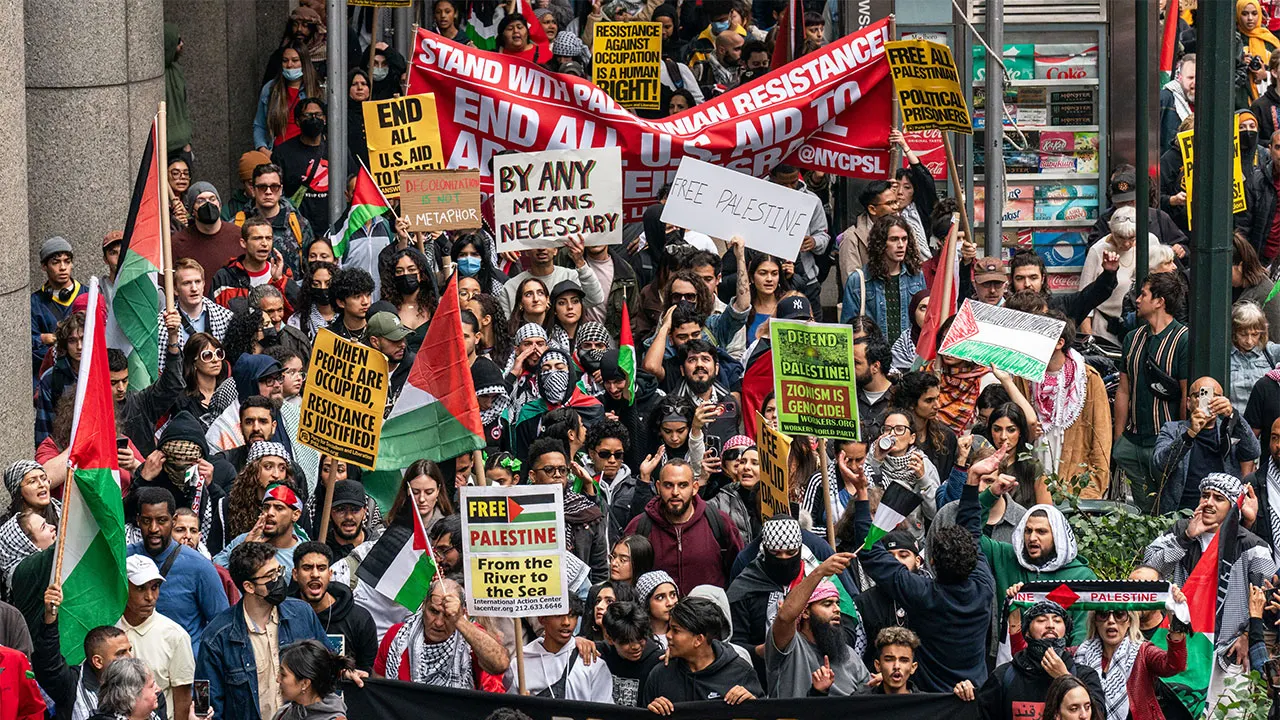
In recent months, Palestine Action has ramped up its activities, coinciding with heightened interest in the Israeli-Palestinian issue following escalating violence in Gaza. The group has organised protests, sit-ins, and high-profile direct actions, notably targeting businesses such as Elbit Systems, the UK’s largest arms manufacturer involved in supplying weaponry to Israel.
In one of their recent campaigns, activists occupied the offices of an Israeli arms company in London, leading to several arrests. This event sparked nationwide discussions on the ethics of arms trading with Israel and the broader implications for UK foreign policy. Furthermore, Palestine Action has collaborated with various local and international human rights organisations, aiming to amplify their message and support.
Impact and Reactions
Palestine Action’s aggressive stance has polarized opinions. Supporters view the group as a crucial voice for Palestinian rights, highlighting ethical concerns surrounding the UK’s arms trade and the origins of the conflict. They argue that the group’s actions are necessary to provoke dialogue and demand accountability from corporations and government entities.
On the other hand, critics argue that the tactics employed by Palestine Action may alienate potential allies and detract from the larger conversation on peace and reconciliation in the region. Some have expressed concern that such direct actions could invite backlash from government authorities and longer-term repercussions for freedom of speech and assembly.
Conclusion
As Palestine Action continues to shape the discourse around the Israeli-Palestinian conflict, its future activities will likely remain in the spotlight. The group’s approach has not only highlighted the complexities of activism in a globalised world but has also challenged individuals and organisations in the UK to consider their role in the humanitarian crisis. With the ongoing debates surrounding necessary actions for peace, the significance of Palestine Action is expected to grow, pushing for renewed discussions on ethical foreign policy and accountability in arms trade.