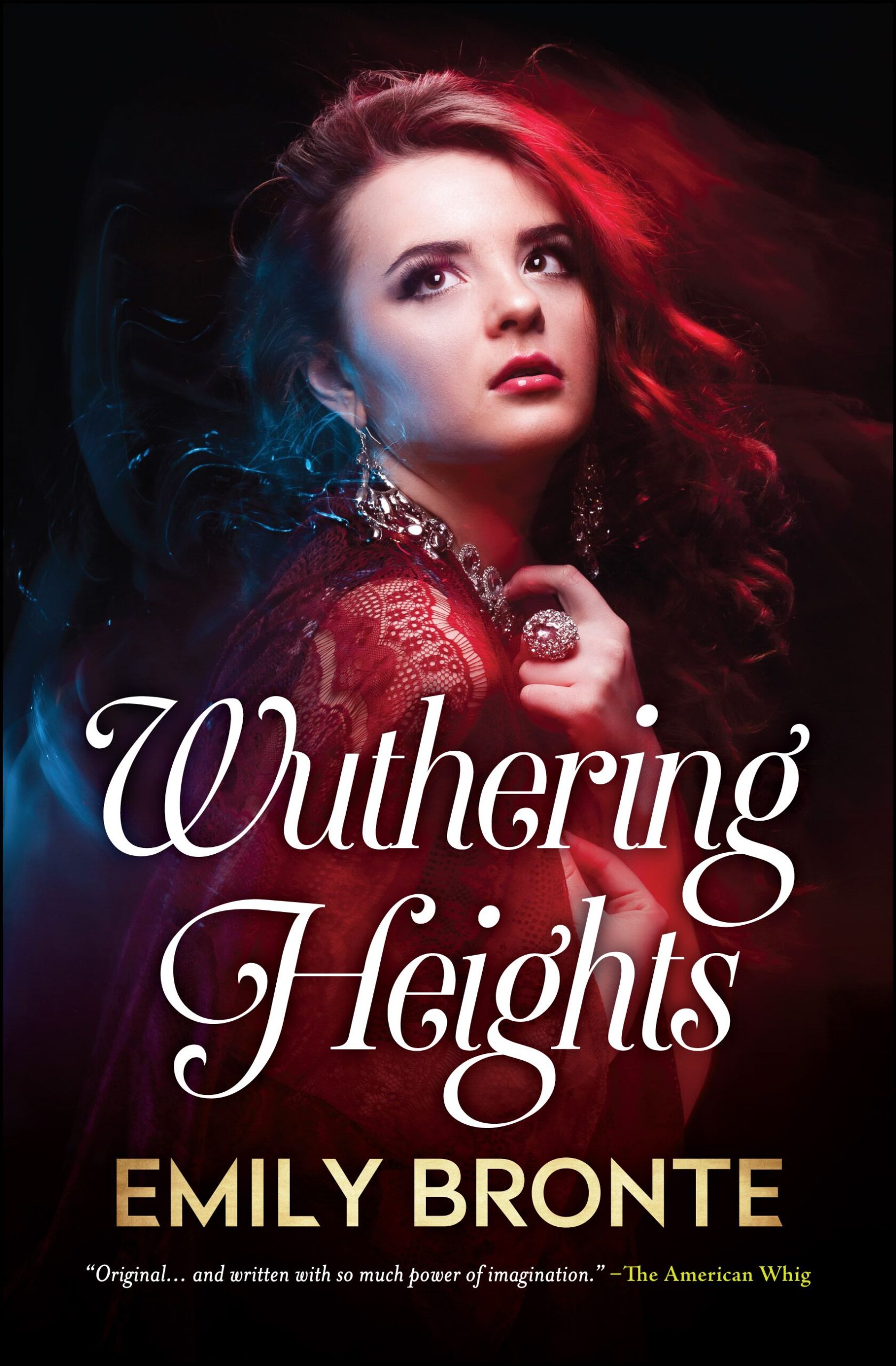
Introduction to Wuthering Heights
Wuthering Heights, Emily Brontë’s only novel, was published in 1847 under the pseudonym “Ellis Bell”. Its dramatic portrayal of passion and revenge makes it a cornerstone of English literature. The book’s exploration of complex emotional and social themes continues to resonate with readers today.
Plot Overview
The narrative is primarily set on the Yorkshire moors and follows the turbulent relationship between Catherine Earnshaw and Heathcliff, a brooding and passionate figure. The tale unfolds through the eyes of Mr. Lockwood and Nelly Dean, who provide insights into the characters’ pasts. As childhood acquaintances, Heathcliff and Catherine’s bond evolves into a powerful yet destructive love that affects everyone around them.
Themes and Motifs
Wuthering Heights delves into themes of love, revenge, social class, and the interplay between nature and nurture. The relentless love between Heathcliff and Catherine is portrayed as a force of nature, leading to catastrophic consequences. Additionally, the stark contrast between Wuthering Heights and nearby Thrushcross Grange highlights social disparities and the characters’ differing moral codes.
Reception and Legacy
The novel was initially met with mixed reviews, with some critics finding its themes unsettling. However, over time, Wuthering Heights has garnered acclaim for its innovative narrative structure and depth of character. Today, it is considered one of the greatest works of English literature, inspiring countless adaptations in theatre, film, and other media.
Conclusion
Wuthering Heights remains a vital part of literary study, challenging readers to confront the darker aspects of human emotion and relationships. Its relevance is underscored by ongoing discussions about love and its repercussions, making it a perennial subject for analysis and interpretation. In an era where literature continues to shape cultural dialogues, Wuthering Heights stands firm as a profound exploration of the human condition.