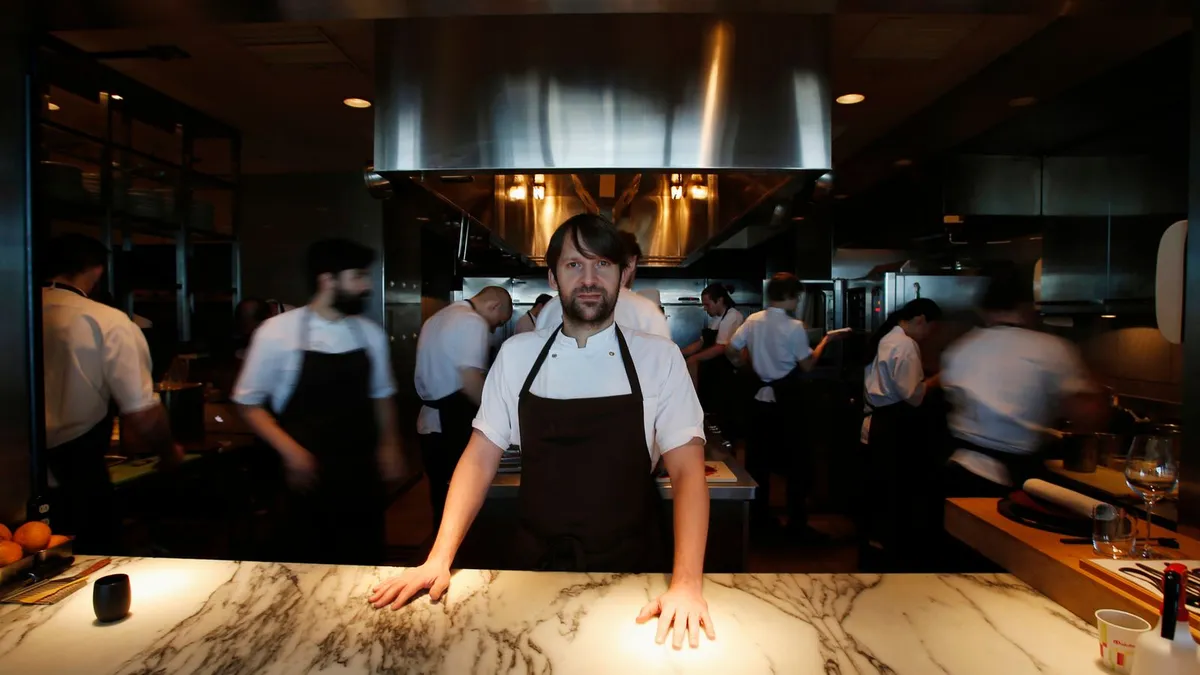
Noma, a three Michelin star restaurant located in Copenhagen, Denmark, has been a significant player in the global food scene, renowned for its innovative Nordic cuisine and foraged ingredients. Founded by René Redzepi, Noma has been named the world’s best restaurant five times by The World’s 50 Best Restaurants list.
Allegations and Resignation
Recently, serious allegations surfaced against René Redzepi, including claims of verbal and physical abuse towards staff. These accusations prompted protests outside the Noma pop-up venue in Los Angeles, highlighting growing concerns about the restaurant’s internal culture.
On social media, Redzepi announced his resignation, stating, “After more than two decades of building and leading this restaurant, I’ve decided to step away and allow our extraordinary leaders to now guide the restaurant into its next chapter.” He acknowledged the need for change, saying, “I have worked to be a better leader and Noma has taken big steps to transform the culture over many years.”
Current State of Noma
As of now, Noma’s future remains uncertain following Redzepi’s departure. The restaurant recently hosted a pop-up in Silver Lake, which sold out in just three minutes, with diners paying $1,500 per package. This event indicates that despite the controversies, there remains a strong interest in Noma’s offerings.
Jason Ignacio White, the former director of fermentation at Noma, has been a vocal critic of Redzepi, further complicating the restaurant’s narrative as it moves forward without its founder. Redzepi’s resignation marks a pivotal moment for Noma, as it seeks to navigate the challenges posed by the allegations and reshape its identity.
This sequence of events is significant not only for those involved but also for the culinary world at large. The allegations against a figure as prominent as Redzepi raise questions about leadership and accountability in high-pressure environments like fine dining. The restaurant community will be watching closely to see how Noma evolves in the wake of these developments.
Redzepi’s acknowledgment of his past actions, stating, “An apology is not enough; I take responsibility for my own actions,” reflects a broader conversation about the need for cultural change within the industry. As Noma prepares for its next chapter, the impact of these changes will be felt beyond its walls, influencing the future of culinary leadership.