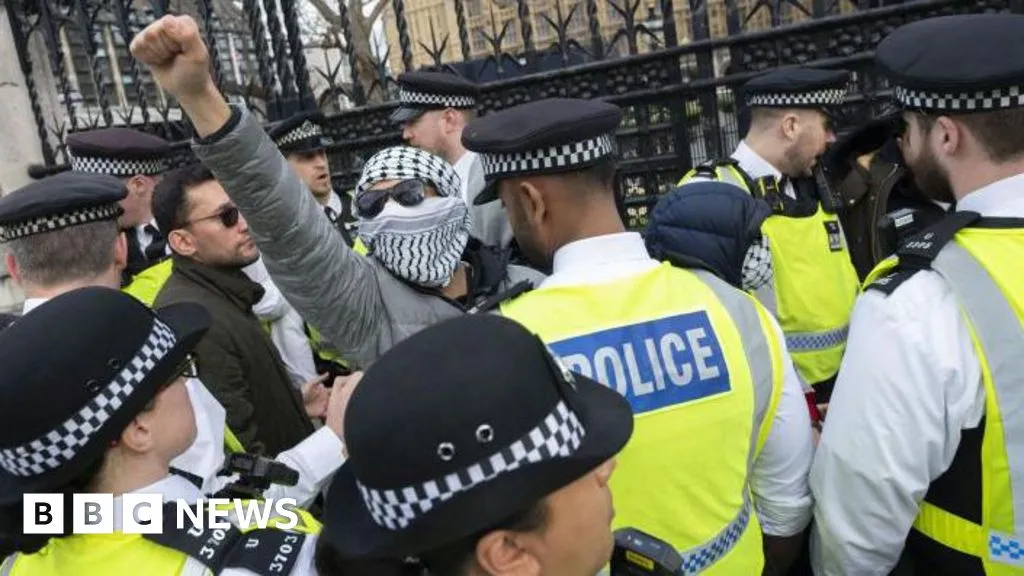
Al Quds Day March Ban in London
“The decision to ban it this year is purely based on a risk assessment of this specific protest and counter-protests – we do not police taste or decency or prefer one political view over another, but we will do everything we can to reduce violence and disorder,” stated Assistant Commissioner Ade Adelekan regarding the recent ban on the Al Quds Day march in London.
The Home Secretary approved a request from the Metropolitan Police to prohibit the march scheduled for March 11, 2026, marking the first time a protest march has been banned in the city since 2012. The decision comes amid heightened concerns over public safety, particularly in light of previous Al Quds marches that have resulted in arrests related to supporting terrorist organizations and antisemitic hate crimes.
The Al Quds Day march, organized by the Islamic Human Rights Commission, has been a focal point of political contention in London, particularly due to its connections with the Iranian regime. Over the past 40 years, the event has taken place peacefully, yet the recent climate of rising tensions has prompted authorities to act decisively.
In the past year alone, there have been reports of 20 Iranian state-backed attacks foiled in the UK, further intensifying the scrutiny surrounding events like the Al Quds Day march. The police’s decision to impose a ban is based on a comprehensive risk assessment of potential disorder stemming from both the protest and anticipated counter-protests.
The ban will be enforced from 16:00hrs on March 11 and will last for one month. Should any static assembly occur, the police will impose strict conditions to ensure safety and order. This proactive measure follows calls from both Labour and Conservative MPs urging for the march to be banned.
Shabana Mahmood, a prominent MP, expressed her expectations for law enforcement, stating, “I expect to see the full force of the law applied to anyone spreading hatred and division instead of exercising their right to peaceful protest.” This sentiment reflects a growing concern among lawmakers regarding the potential for unrest associated with the march.
Faisal Bodi, a supporter of the march, noted, “This demonstration has taken place for the last 40 years peacefully,” highlighting the historical context of the event. However, the current political landscape and security assessments have shifted the narrative, leading to this unprecedented ban.
As the situation develops, the implications of this decision will likely resonate beyond the immediate context of the march, influencing future protests and public gatherings in London.