Escalation of Conflict
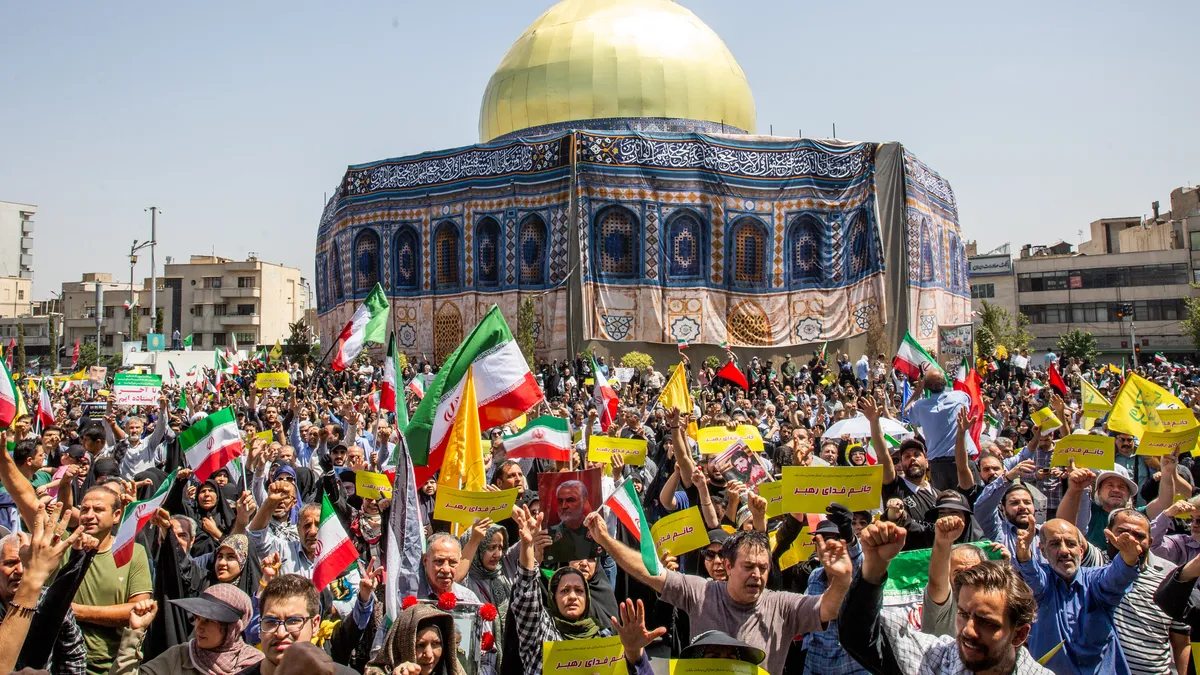
The current conflict between the United States, Israel, and Iran has escalated significantly since February 28, 2026, following the assassination of Supreme Leader Ayatollah Ali Khamenei. This event has triggered a series of retaliatory strikes, with Iran launching attacks across nine countries, specifically targeting US military presence and civilian infrastructure in the Gulf states.
Casualties and Economic Impact
The war has resulted in at least 1,255 deaths in Iran, 570 in Lebanon, 13 in Israel, and eight US soldiers. Furthermore, Iran claims that US and Israeli forces have bombed nearly 10,000 civilian sites in the country since the war began. The financial burden of the first 100 hours of Operation Epic Fury has cost the US approximately $3.7 billion, highlighting the economic strain this conflict has imposed.
Military Strategies and Responses
Iran’s military strategy includes a ‘decentralised mosaic defence’ aimed at surviving leadership losses, a tactic that has been put to the test since the assassination of Khamenei. Despite this significant loss, the Iranian government has not collapsed; Mojtaba Khamenei has been appointed as the new Supreme Leader, indicating a continuity of leadership amidst the turmoil.
Global Economic Concerns
The conflict has caused Brent crude oil prices to exceed $100 a barrel, raising fears of a global energy crisis. This spike in oil prices is a direct consequence of the ongoing hostilities and has implications for economies worldwide, particularly those reliant on stable energy prices.
Military Operations and Cooperation
The United States and Israel have reportedly struck more than 5,000 targets in Iran, marking an unprecedented level of military cooperation between the two allies. This collaboration underscores the seriousness of the threat perceived from Iran, as both nations work together to address their security concerns.
Retaliatory Strikes and Regional Stability
In retaliation, Iran has targeted airports, energy facilities, and diplomatic missions, further complicating the situation in the region. The conflict has expanded beyond Iran, affecting regional stability and global economic conditions, with observers noting the potential for a broader confrontation.
Details remain unconfirmed regarding the ultimate objectives of the US and Israel in the war, which appear to differ between the two allies. The future course of the war is uncertain, with possibilities of escalation or a declaration of achieved objectives by the US. As the situation evolves, the defining feature of the war is not clarity but growing complexity, leaving many to question what the next steps will be.