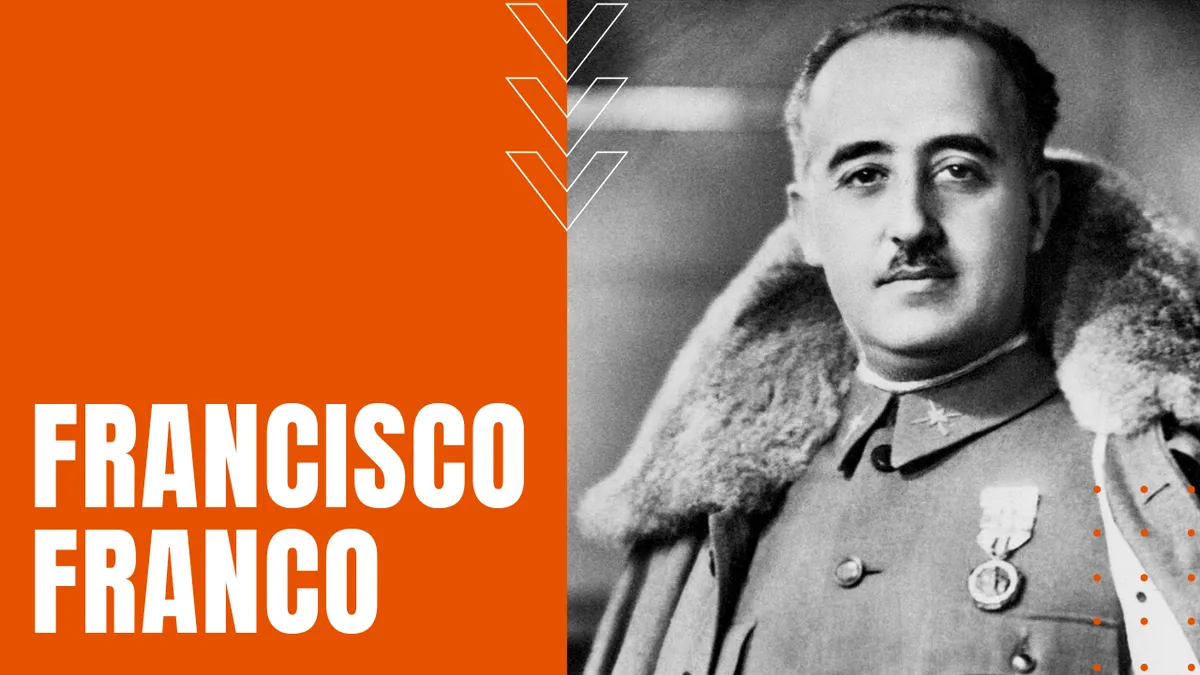
Background on the Franco Regime
The Board for the Protection of Women was established to control female behavior under the Franco regime. Founded in 1902 and operating until its closure in 1985, the board was run by religious orders and aimed to enforce strict societal norms. Women who were deemed to exhibit behavior considered socially unacceptable, such as being ‘too fond of the street’ or discussing sexuality, faced imprisonment. This institution played a significant role in the repression of women during a tumultuous period in Spanish history.
Recent Developments
On March 20, 2026, the Spanish government announced that it would formally pardon 53 women who had been incarcerated by the Franco regime. This decision comes as part of Spain’s Memory Law, which seeks to recognize and address the injustices faced by victims of Francoist repression. The pardon signifies a significant step towards acknowledging the historical wrongs committed against these women.
Statements and Reactions
In a statement from the ministry of democratic memory, it was emphasized that “any punishment, whether legal or administrative, they had suffered was null and void.” This acknowledgment serves to validate the experiences of the women who were unjustly punished for their behavior. Historian Carmen Guillén remarked on the board’s operations, noting that “the board could rely on broad public support and people became its ally and accomplice,” highlighting the societal complicity in the repression of women during this era.
Recognition of Victims
Eva García de la Torre was the first woman officially recognized as a victim of the Board for the Protection of Women. Her recognition marks an important milestone in the ongoing efforts to confront the legacy of the Franco regime. The recent pardon is not merely a symbolic gesture; it underscores the long-standing debates surrounding historical memory, justice, and how the Franco era is remembered in contemporary Spain.
Future Implications
More than 1,600 declarations have been received from women who passed through the institutions run by the Board for the Protection of Women. This influx of testimonies indicates a growing recognition of the need to address the historical injustices faced by these individuals. Observers suggest that the pardons may lead to further discussions and actions aimed at rectifying the wrongs of the past and ensuring that such repression does not occur again.
The pardoning of these 53 women represents a crucial step in Spain’s journey towards reconciling with its past. As the country continues to grapple with the legacy of the Franco regime, the recognition of victims and the acknowledgment of historical injustices remain essential components of the national dialogue. The ongoing efforts to address these issues reflect a commitment to justice and the importance of remembering history accurately.