What are the implications of Iran’s mining activities in the Strait of Hormuz?
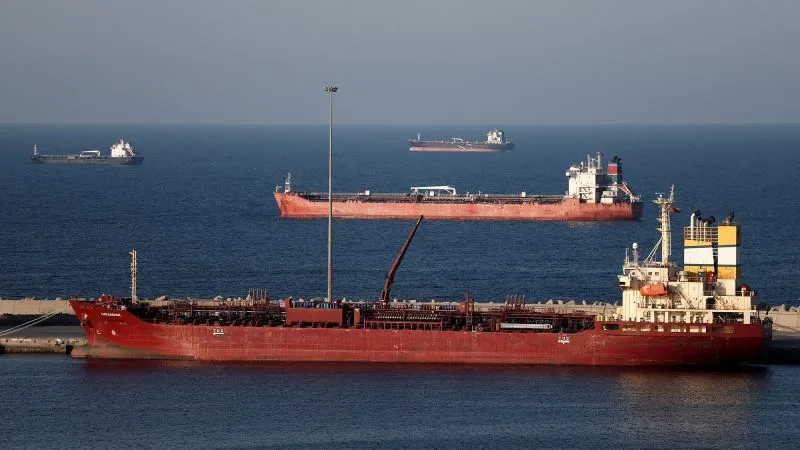
Iran has begun laying mines in the Strait of Hormuz, a vital waterway through which approximately 20 percent of the world’s oil supply passes. This development raises significant concerns regarding the security of global oil shipments and the potential for escalated military conflict in the region.
Reports indicate that the mining is not extensive yet, with only a few dozen mines laid in recent days. However, Iran retains a substantial naval capability, with estimates suggesting it may possess between 2,000 to 6,000 naval mines. The situation is further complicated by the fact that Iran has retained 80 to 90 percent of its small boats and mine layers, which could be deployed to enforce its maritime strategy.
The Strait of Hormuz is one of the world’s most critical energy chokepoints, with a width of just 34 kilometers at its narrowest point and a shipping lane of only 3.2 kilometers in either direction. This narrow passage is crucial for the transport of crude oil, with about 15 million barrels per day of crude production and 4.5 million barrels per day of refined fuels potentially stranded in the Gulf due to mining activities.
The Islamic Revolutionary Guard Corps (IRGC) has issued stern warnings, stating it will not allow even ‘one litre of oil’ to leave the region if US-Israeli attacks continue. This rhetoric underscores the high stakes involved, as any disruption in the flow of oil could have far-reaching consequences for global markets.
Former President Donald Trump has reacted strongly to the situation, demanding the immediate removal of any mines laid by Iran. He emphasized that if mines were placed and not removed, the military consequences for Iran would be unprecedented. Trump’s statements reflect a broader concern within the US government regarding the potential for conflict in the region.
Ali Mohammad Naini, a spokesperson for the IRGC, has warned that any movement of the US fleet and its allies would be met with a robust response from Iranian missiles and drones. This statement highlights the heightened tensions and the potential for military engagement as both sides navigate this precarious situation.
Details remain unconfirmed regarding the exact number of mines Iran has laid and the current status of oil shipments through the Strait of Hormuz. The situation continues to evolve, and the international community is closely monitoring developments in this strategically significant area.