What does the recent acquisition of a Caravaggio portrait signify for Italy?
The Italian state has purchased a portrait by Caravaggio for €30 million, a move that underscores the importance of enhancing the nation’s cultural heritage.
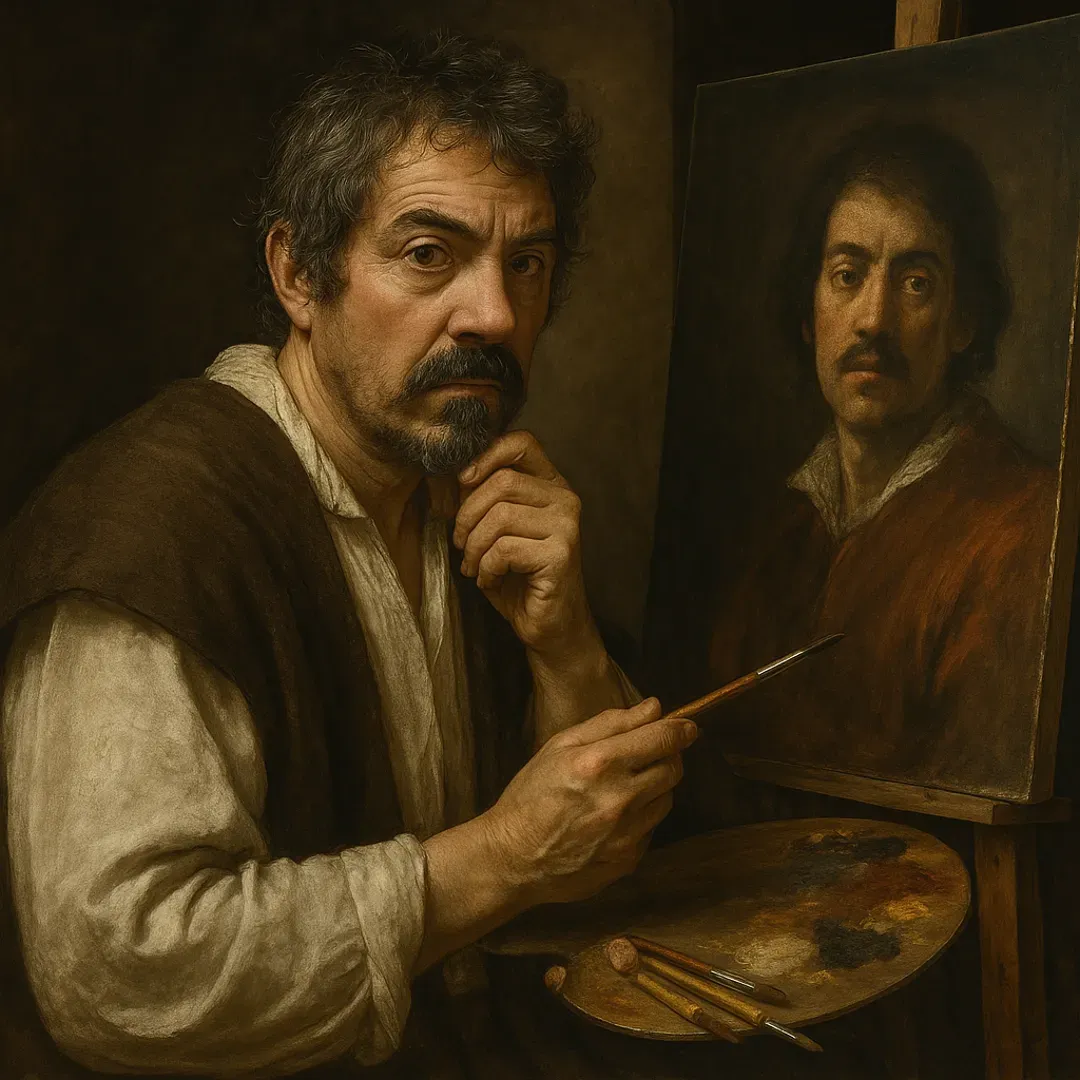
This painting, which depicts Maffeo Barberini—who later became Pope Urban VIII—was painted around 1598 and has been attributed to Caravaggio since 1963. The portrait portrays Barberini in his 30s, dressed as a cleric, and is noted for its dramatic use of chiaroscuro, a technique that Caravaggio famously employed.
The acquisition was part of a broader initiative to strengthen Italy’s national cultural heritage. Minister Alessandro Giuli, who was present when the deed of purchase was signed, remarked, “This is a work of exceptional importance.” He also noted that the extraordinary masterpiece had been acquired after more than a year of negotiations.
The painting will enter the permanent collection at Palazzo Barberini, where it will be publicly displayed for the first time in November 2024. This event marks a significant moment in the preservation and celebration of Italy’s artistic legacy.
Art critic Roberto Longhi, who authenticated the painting in 1963, described it as “one of the founding moments of modern portraiture.” Caravaggio completed only a handful of portraits before his death in 1610, making this acquisition particularly noteworthy.
Historically, the painting was in the collection of the noble Barberini family for centuries before passing into private hands. The acquisition reflects a commitment to reclaim and celebrate Italy’s rich artistic history.
As the Italian government continues to pursue further acquisitions, Minister Giuli stated, “The acquisition will continue to pursue in the coming months.” This suggests that there may be more significant artworks on the horizon for Italy’s cultural institutions.
Caravaggio revolutionized painting at the turn of the 17th century, and this portrait serves as a testament to his enduring influence on the Baroque style. Details remain unconfirmed regarding future acquisitions, but the focus on enhancing Italy’s cultural landscape is clear.