Gas Prices Surge Amid Conflict
Gas prices have surged dramatically in recent days, with the average price climbing to $3.54 per gallon on March 8, 2026, marking a 19 percent increase from just a day earlier. This spike is attributed to the ongoing military operations involving the United States and Israel against Iran, particularly the bombing campaigns that have disrupted oil supplies.
Leavitt’s Statements on Gas Prices
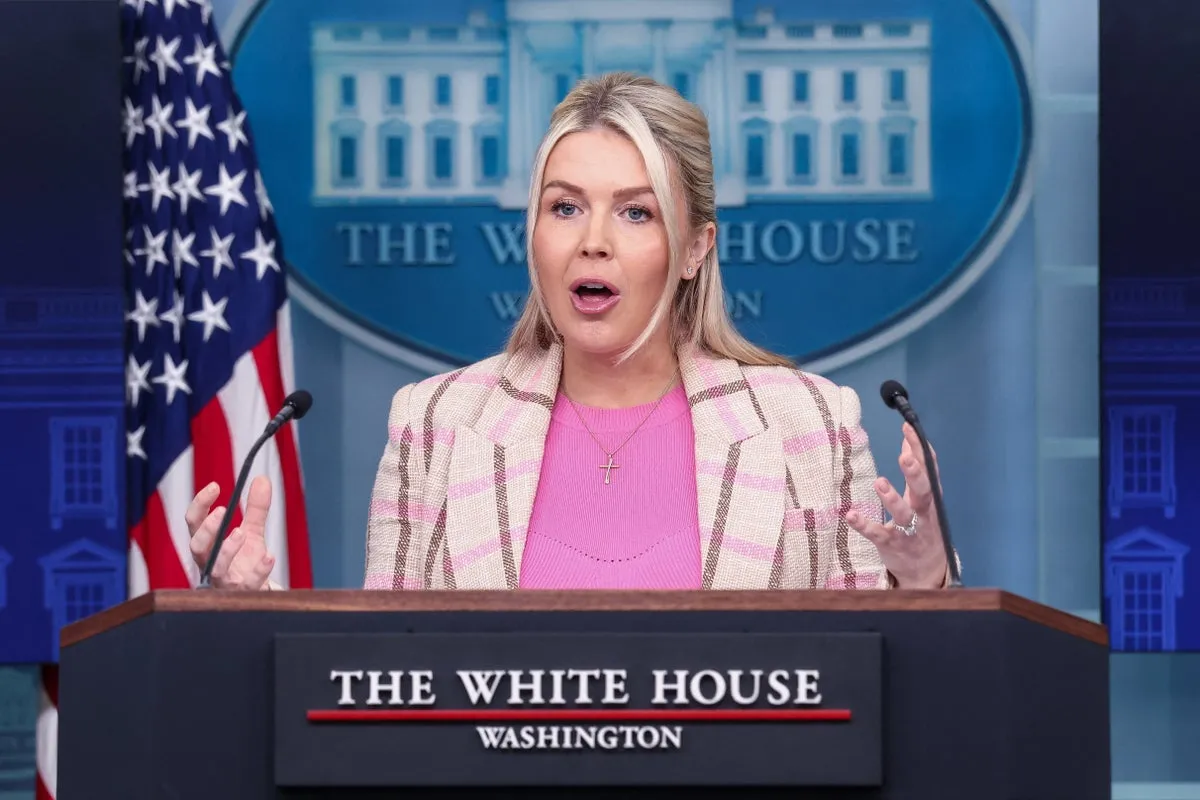
In a press briefing, Karoline Leavitt, the White House Press Secretary, claimed that the current spike in gas prices is temporary. “The ongoing war with Iran would ‘result in lower gas prices in the long term,'” she stated, emphasizing that once the national security objectives of Operation Epic Fury are fully achieved, Americans can expect to see oil and gas prices drop rapidly.
Current Gas Prices Across the U.S.
The impact of the conflict is being felt nationwide, with California motorists facing gas prices as high as $5.20 per gallon, while those in Kansas are paying around $2.92. On March 7, 2026, the average gas price reached $3.48 per gallon, reflecting a 17 percent increase from the previous week. The rise in prices has been exacerbated by soaring oil prices, which have surpassed $100 per barrel due to disruptions in the flow of crude oil from the Persian Gulf.
Threats to Oil Shipments
Iran’s threats to shipping in the Strait of Hormuz have raised concerns about the stability of oil shipments from this critical waterway. In response, the Trump administration has offered to insure tankers attempting to cross the strait, highlighting the strategic importance of maintaining open navigation routes. Leavitt reiterated President Trump’s threats against Iran regarding freedom of navigation in this vital area.
Military Options Under Consideration
As the situation evolves, the U.S. military is actively drawing up options to ensure the Strait of Hormuz remains open for shipping. Leavitt noted, “The President and his energy team are closely watching the markets, speaking with industry leaders, and the U.S. military is drawing up additional options to continue keeping the Strait of Hormuz open.” This proactive approach underscores the administration’s commitment to addressing the challenges posed by the conflict.
Historical Context of the Conflict
The U.S.-Israeli war on Iran has significantly impacted gas prices for Americans, creating a ripple effect throughout the economy. As military actions continue, the potential for further disruptions in oil supply looms, making the situation increasingly precarious for consumers and businesses alike.
Looking Ahead
Observers are closely monitoring the developments in the region, with expectations that the military objectives will soon be met. However, details remain unconfirmed regarding the timeline for achieving these goals and their subsequent impact on gas prices. The administration’s strategy will likely continue to evolve as the situation unfolds.