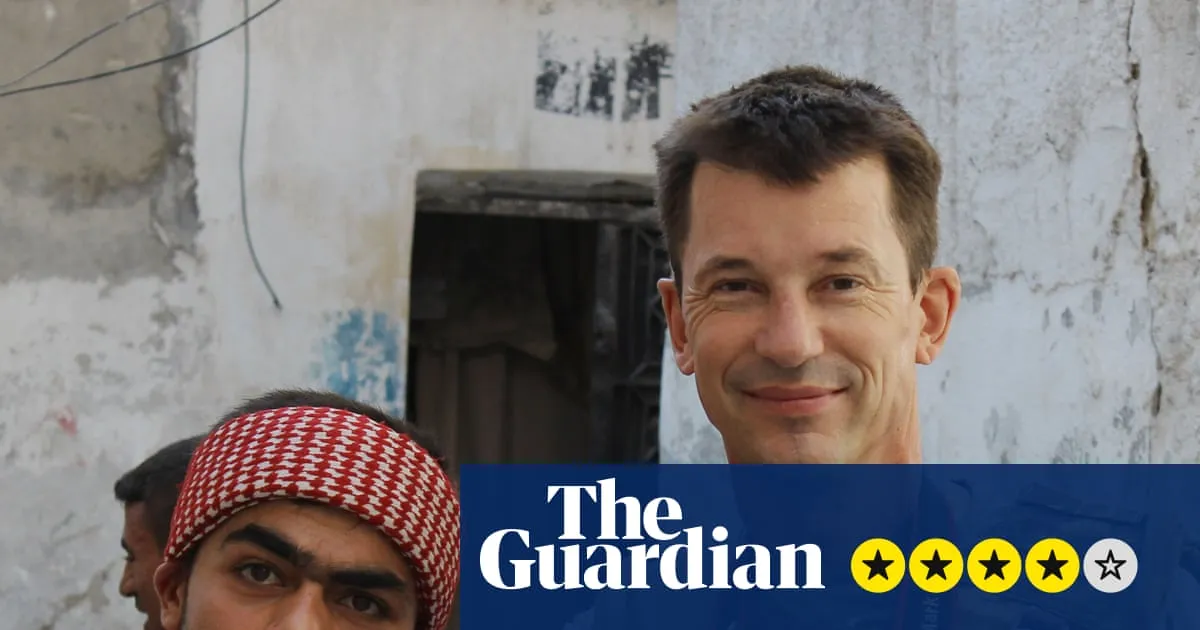
Impact of John Cantlie’s Kidnapping
John Cantlie, a British photographer and reporter, was kidnapped in Syria in 2012, marking the beginning of a harrowing ordeal that would capture global attention. His case highlights the perilous nature of journalism in conflict zones, particularly in regions like North Africa and the Middle East, where the risks for reporters have escalated dramatically. Cantlie’s situation became emblematic of the dangers faced by journalists who venture into war-torn areas, often at great personal risk.
Life Before Captivity
Before his abduction, Cantlie was known for his bravery and his ability to document critical events. He gained recognition for his work during the 2011 Libyan civil war, where he reported on the frontlines of the battle against Muammar Gaddafi. His passion for storytelling and commitment to uncovering the truth drove him to some of the most dangerous locations around the world. Cantlie’s dedication to his craft was evident in his willingness to face danger head-on, as he once remarked, “If we don’t make it out of this, it’s been fun!” This attitude, while admirable, also contributed to his vulnerability in conflict zones.
Captivity and Propaganda
During his captivity, Cantlie was forced to create propaganda videos for his captors, the Islamic State. These videos were designed to promote the group’s narrative and showcase their power. Cantlie’s survival hinged on his ability to produce content that would serve the interests of his captors, raising complex questions about the ethics of journalism under duress. His appearances in these videos painted a complicated portrait of his character, revealing both his resilience and the moral dilemmas faced by those held hostage.
Documentary Insights
The recent documentary titled ‘Hostage’ delves into Cantlie’s life, exploring his motivations and the circumstances surrounding his kidnapping. The film includes footage from Cantlie’s own smartphone videos and selfies, offering a personal glimpse into his experiences. However, it is notable that Cantlie’s family declined to participate in the documentary, leaving some aspects of his life and decision-making shrouded in mystery. The absence of their testimony raises questions about his state of mind and the choices he made leading up to his capture.
Believed Death and Uncertainties
John Cantlie is believed to have died in an airstrike in Iraq in 2017, but the precise evidence linking his captivity in Syria to this reported event remains unclear. This uncertainty adds to the complexity of his story, as many details surrounding his fate are still unconfirmed. The lack of concrete information leaves a void in understanding the full extent of his experiences and the circumstances of his death.
Legacy of a Journalist
Cantlie’s legacy serves as a reminder of the risks that journalists face in pursuit of truth. His story underscores the importance of protecting those who report from conflict zones, as their work is vital for informing the public about global issues. The challenges faced by Cantlie and others like him highlight the need for greater awareness and support for journalists operating in dangerous environments.
Final Thoughts
As the world reflects on the life and experiences of John Cantlie, it is crucial to acknowledge the broader implications of his story. The evolving landscape of journalism in conflict zones continues to pose significant threats to reporters, and Cantlie’s narrative serves as both a cautionary tale and a call to action. The ongoing uncertainties surrounding his fate remind us of the complexities involved in reporting from the frontlines and the sacrifices made by those who seek to tell the stories that matter.