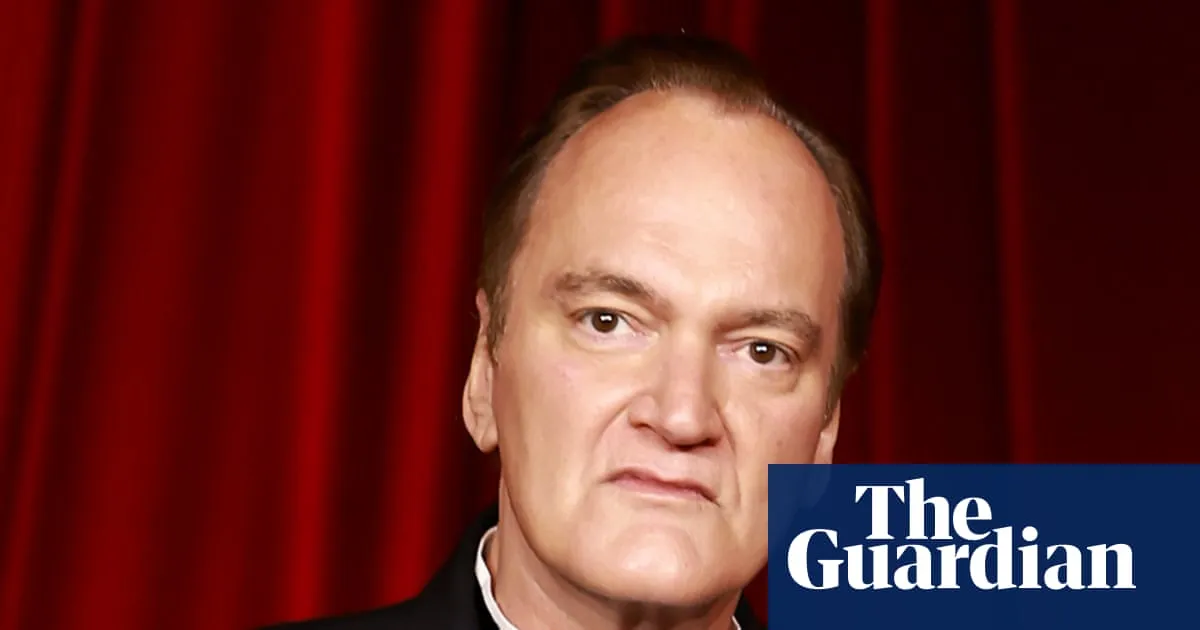
In the realm of cinema, Quentin Tarantino has long been a polarizing figure, particularly regarding his use of racial slurs in his films. His 1994 classic, Pulp Fiction, which features Arquette in a supporting role, has been both celebrated and criticized for its language. Tarantino has previously defended his artistic choices, notably at the 2013 Golden Globes, where he reiterated his stance on the necessity of such language in his storytelling.
The Shift in Dialogue
On March 10, 2026, Rosanna Arquette publicly criticized Tarantino’s use of the N-word during an interview with The Times. She described it as “not art, it’s just racist and creepy,” a statement that quickly garnered significant media attention. Following her remarks, 132 media outlets reported on the exchange, amplifying the conversation around racial language in film.
Tarantino’s Response
In response, Tarantino expressed his discontent with Arquette’s comments, accusing her of displaying a “decided lack of class”. He questioned the motivations behind her criticism, suggesting it was driven by cynical reasons. Tarantino’s retort highlighted the tension between artistic freedom and social responsibility, a recurring theme in discussions about his work.
Immediate Effects
The exchange has not only reignited debates about the use of racial slurs in cinema but has also placed both Arquette and Tarantino in the spotlight. Arquette’s criticism reflects a broader concern among many in the industry regarding the normalization of such language, while Tarantino’s defensive posture underscores the challenges artists face when responding to public scrutiny.
Expert Perspectives
Experts in film studies and cultural criticism have weighed in on the matter, noting that Tarantino’s films, including Django Unchained, which features the N-word 110 times, often provoke strong reactions. Some argue that his use of the term serves a narrative purpose, while others contend that it perpetuates harmful stereotypes. This ongoing discourse reveals the complexities of artistic expression in a diverse society.
Historically, Tarantino’s films have faced criticism from notable figures, including director Spike Lee, who has been vocal about his disapproval of the language used in Tarantino’s work. This latest exchange between Arquette and Tarantino adds another layer to the ongoing conversation about race, language, and representation in Hollywood.
Looking Ahead
As the dialogue continues, it remains to be seen how this exchange will impact both Arquette’s and Tarantino’s careers. The film industry is at a crossroads, grappling with the implications of language and its effects on audiences. Details remain unconfirmed regarding any potential changes in Tarantino’s future projects or Arquette’s involvement in upcoming films, but the conversation sparked by this incident is likely to persist.