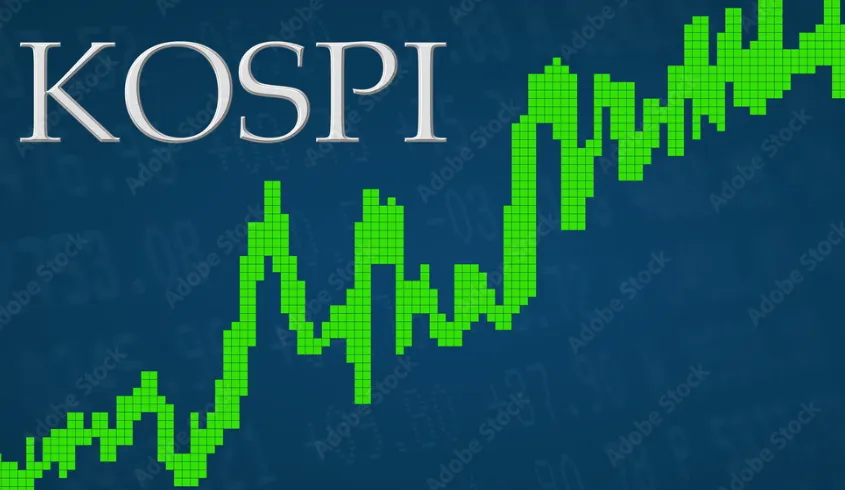
KOSPI Index Rebounds
On March 10, 2026, the KOSPI index opened more than 5% higher, marking a significant recovery after a challenging day on March 9, when it fell by 6%. This rebound reflects the ongoing volatility and investor sentiment surrounding South Korea’s stock market.
Prior to this recovery, the KOSPI had been on an impressive upward trajectory, climbing an additional 25% year-to-date as of March 6, 2026. The index surpassed the 5,000 mark for the first time in January 2026 and reached 6,000 in February 2026, establishing itself as the world’s top-performing index in 2025 with a remarkable 75% return.
Key players in this market, such as Samsung Electronics and SK Hynix, have seen their stocks rise significantly, with both companies increasing by more than 8% on March 10. This surge follows a year in which SK Hynix posted a record operating profit of 47.2 trillion won and Samsung’s memory segment generated operating profits of approximately 24.9 trillion won.
The performance of the KOSPI has been notably influenced by various factors, including geopolitical tensions and domestic economic conditions. Former President Donald Trump recently commented on the situation, stating, “The war is very complete, pretty much,” reflecting the broader context affecting investor confidence.
Young investors have expressed concerns about the high home prices in South Korea, indicating a cautious approach to investing in the current market environment. One investor remarked, “Home prices are too high to even consider,” highlighting the challenges faced by potential buyers.
Despite these concerns, the KOSPI’s recent performance validates the leadership of major corporations in the region. Analysts note that the market has begun to correct the so-called “Korea Discount,” which had kept South Korean stocks trading at significantly lower valuations compared to their global counterparts.
As the KOSPI continues to navigate these fluctuations, the implications for investors and the broader economy remain significant. The index’s ability to rebound after declines suggests a resilient market, but uncertainties persist regarding future performance amidst ongoing geopolitical and economic challenges.
Details remain unconfirmed regarding the long-term effects of these developments on the KOSPI index and the South Korean economy as a whole.