Transition of Power
On March 9, 2026, Iran witnessed a pivotal moment in its political landscape with the appointment of Mojtaba Khamenei as the new Iranian supreme leader. This development came in the wake of the death of his father, Ali Khamenei, who had held the position for years and was a central figure in Iran’s political and religious hierarchy. Prior to this, expectations were set around a potential shift in leadership style, as many speculated on who could fill the significant shoes left by the late leader.
Decisive Moment
Mojtaba Khamenei’s rise to power was marked by immediate backing from influential factions within Iran, particularly the Islamic Revolutionary Guard Corps (IRGC). His appointment was interpreted as a sign of continuity amid a major crisis, as Iran faced external pressures and internal challenges. Notably, he has never held a formal position in government prior to this role, which raises questions about his governance style and capability. His strong ties with the IRGC, a powerful military and political force in Iran, suggest that he will maintain the hardline policies characteristic of his father’s leadership.
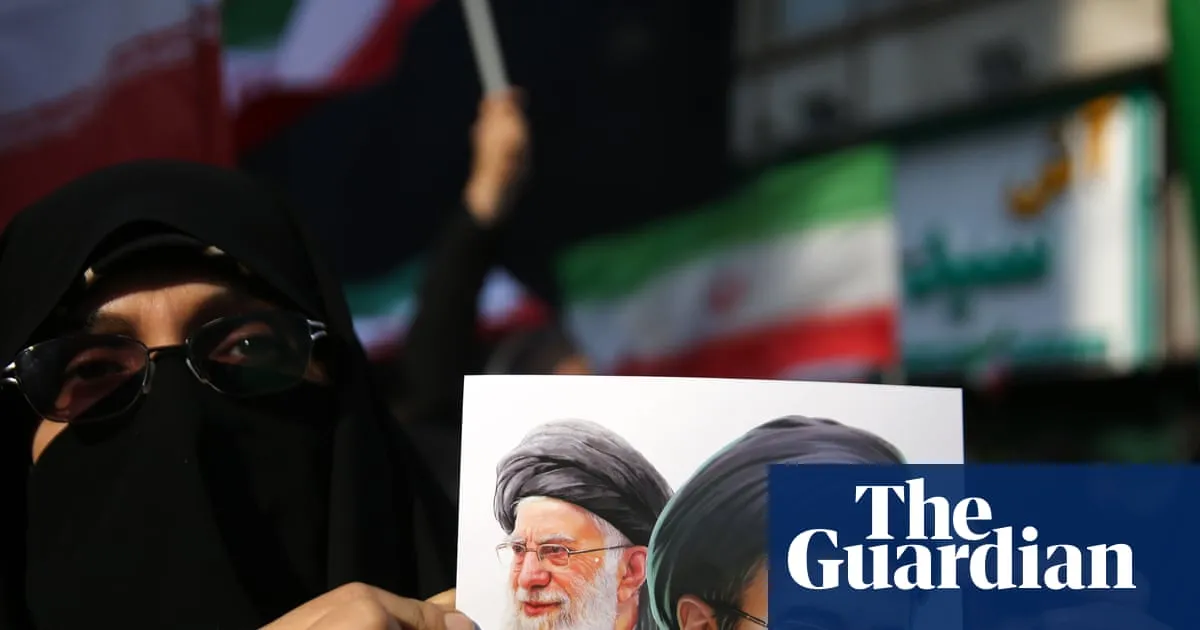
The immediate effects of Mojtaba Khamenei’s appointment were felt both domestically and internationally. In Iran, crowds celebrated his ascension, proclaiming, “God’s hand is still upon us, Khamenei is still our leader.” This sentiment reflects a significant level of public support, despite the uncertainties surrounding his leadership. Internationally, reactions varied; while Russian President Vladimir Putin pledged “unwavering support” for Iran, U.S. President Donald Trump dismissed Khamenei as a “lightweight,” indicating a potential continuation of strained relations between the two nations.
Expert Perspectives
Experts have begun to weigh in on the implications of this leadership change. Ezzatollah Zarghami, a political figure in Iran, characterized Mojtaba Khamenei as a proponent of dialogue, noting that he is “excessively humble” in personal interactions. This perspective suggests a possible shift towards a more communicative approach, although his hardliner reputation complicates this narrative. Furthermore, the Iraqi Prime Minister Mohammed Shia al-Sudani expressed confidence in Khamenei’s leadership, indicating that regional allies may view this transition favorably.
Support and Challenges
While Mojtaba Khamenei has garnered support from various political figures, including a congratulatory message from Oman’s Sultan, he faces significant challenges ahead. His leadership comes at a time when Iran is grappling with economic difficulties and geopolitical tensions. The backing from the IRGC may bolster his position, but it also raises questions about how he will navigate the complex political landscape within Iran, especially in relation to other centers of power.
Future Uncertainties
As Mojtaba Khamenei embarks on his tenure as the Iranian supreme leader, uncertainties loom regarding his physical and emotional health following personal losses, as well as how he will relate to other political factions within Iran. Details remain unconfirmed, but the stakes are high for both domestic stability and international relations.
The appointment of Mojtaba Khamenei as the Iranian supreme leader marks a significant chapter in Iran’s history. As the nation navigates through crises, the implications of his leadership will unfold in the coming months, shaping the future of Iran and its role on the global stage.