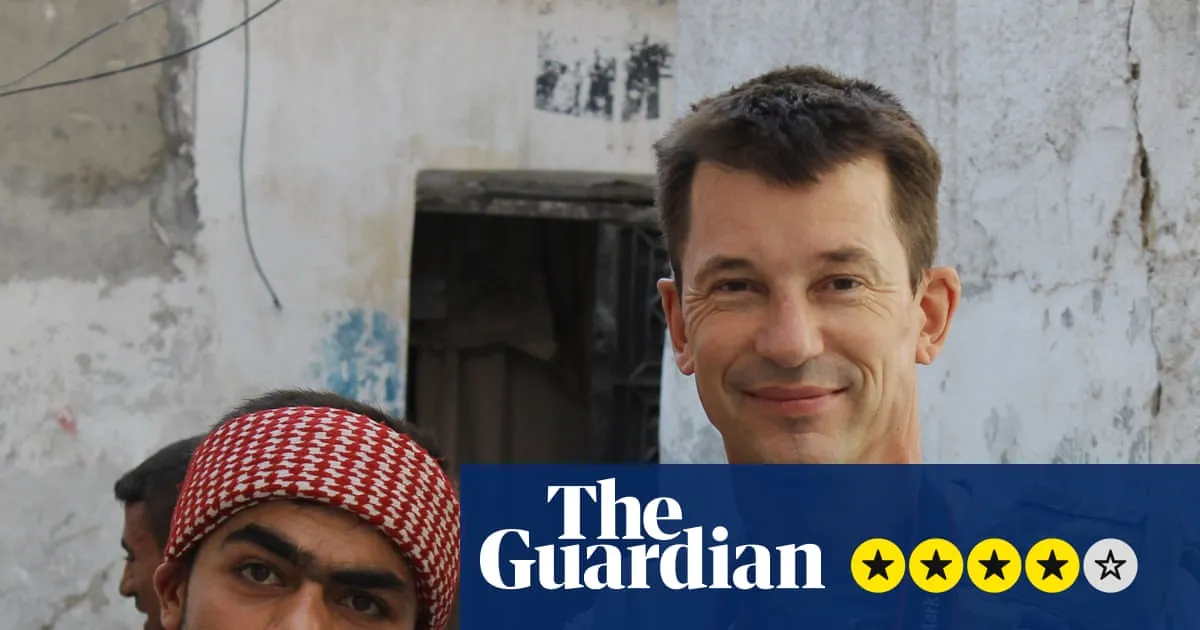
Impact of John Cantlie’s Kidnapping
John Cantlie, a British photographer and reporter, was kidnapped in Syria in 2012, a harrowing event that would mark the beginning of a complex and tragic narrative. His captivity at the hands of the Islamic State not only highlighted the perils faced by journalists in conflict zones but also raised significant questions about the ethics of survival under duress. Cantlie’s situation became emblematic of the broader dangers that reporters encounter, particularly in volatile regions like North Africa and the Middle East.
Background and Early Career
Before his abduction, Cantlie was known for his fearless reporting, having documented the frontlines of the battle against Muammar Gaddafi in Libya in 2011. His work was characterized by a commitment to revealing the realities of war, often placing himself in harm’s way to capture the truth. This bravado and enjoyment in the face of danger were integral to his identity as a journalist, making his eventual kidnapping all the more poignant.
Life in Captivity
During his time in captivity, Cantlie was forced to create a series of propaganda videos for his captors, which became a critical aspect of his survival. These videos were intended to serve the Islamic State’s narrative, showcasing Cantlie’s resilience and complicity. His appearances in these videos were met with mixed reactions, as they raised ethical questions about the responsibilities of hostages and the impact of coercion on their actions.
Documentary Insights
The documentary “Hostage” explores Cantlie’s life and motivations, presenting a complicated portrait of his character under extreme duress. It includes footage from Cantlie’s own smartphone videos and selfies, offering a personal glimpse into his experience. However, Cantlie’s family declined to participate in the documentary, leaving certain aspects of his story shrouded in ambiguity.
Fate and Uncertainties
John Cantlie is believed to have died in an airstrike in Iraq in 2017, but the precise evidence linking his captivity in Syria to this reported event remains unclear. The absence of family testimony further complicates the narrative, leaving gaps regarding Cantlie’s decision-making and movements before his capture. Details remain unconfirmed.
Legacy and Reflection
As discussions around the role of journalists in conflict zones continue, Cantlie’s story serves as a stark reminder of the risks involved in seeking the truth. His experiences reflect the broader challenges faced by reporters, particularly those covering wars and humanitarian crises. The legacy of John Cantlie is not just one of tragedy but also of the courage and tenacity that define journalism in the face of adversity.
The complexities surrounding John Cantlie’s life and fate highlight the ongoing dangers for journalists operating in conflict zones. As the world reflects on his story, it underscores the need for greater awareness and protection for those who risk their lives to inform the public.