Werner Herzog’s Documentary on Ghost Elephants Premieres
Werner Herzog directed the documentary ‘Ghost Elephants,’ which premiered on National Geographic on March 7, 2026. The film follows Dr. Steve Boyes on his search for ghost elephants in Angola, a region deeply affected by the scars of the Angolan Civil War.
The Angolan Civil War, which lasted from 1975 to 2002, had a devastating impact on both the human population and wildlife, particularly elephants. It is estimated that 800,000 lives were lost during this conflict, and the repercussions on the environment have been profound. By 2015, only 4,000 elephants remained in southeast Angola, a stark decline attributed to poaching and habitat destruction.
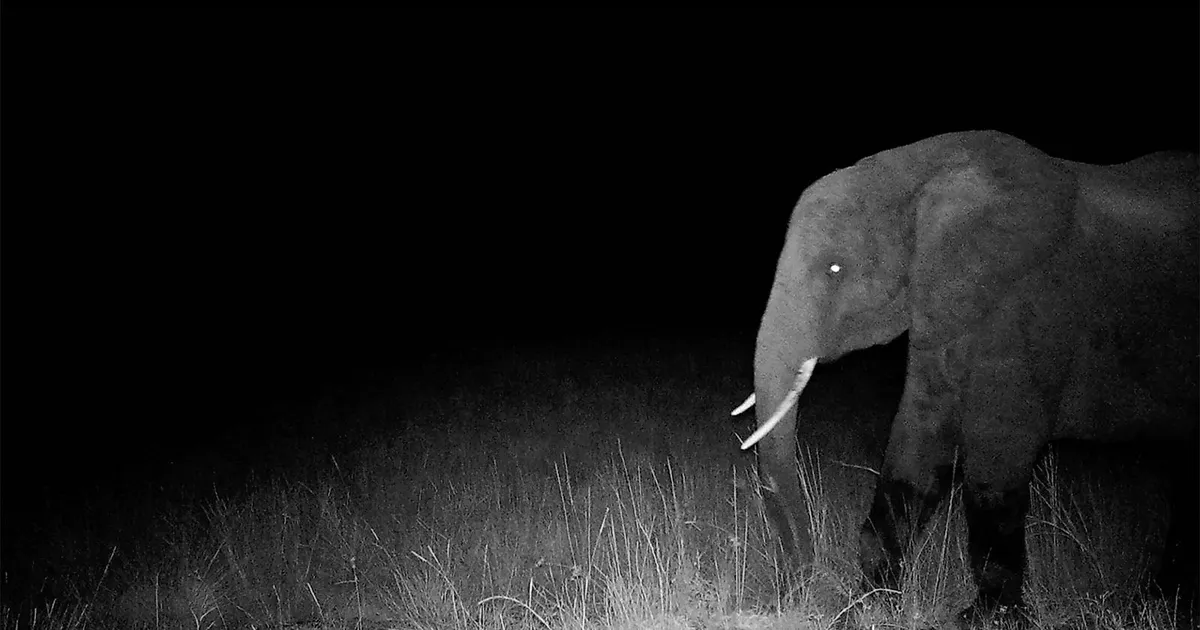
During the 1980s, an estimated 100,000 elephants were slaughtered for ivory, further diminishing their numbers. Dr. Boyes, who has dedicated much of his life to studying elephants and their conservation, believes that the ghost elephants he seeks are descendants of a legendary 12-ton, 14-foot-tall elephant named ‘Henry.’ Boyes captured footage of a ghost elephant during his search, a moment he described as a gift that only needs to happen once.
In his quest, Boyes emphasized the importance of rebuilding trust between people and elephants, a relationship that has been strained due to the historical context of violence and exploitation. He stated, “We’ve been out there for months and we’ve been tracking the elephants. We’re getting within an hour, two hours, a day.” This persistent effort highlights the dedication required to understand and protect these magnificent creatures.
The documentary also explores the connection between humans and elephants among various African tribes, revealing a rich tapestry of mythology and cultural significance surrounding these animals. Boyes remarked, “There’s a whole mythology around them,” underscoring the deep-rooted reverence that many communities hold for elephants.
As the film unfolds, it paints a picture of the ghost elephants as a massive, elusive mirror that reflects humanity’s worst, but also its potential to be better. The narrative intertwines the urgency of conservation with the need for healing in a land still recovering from the wounds of war.
Observers expect that Herzog’s documentary will not only raise awareness about the plight of elephants in Angola but also inspire action towards their conservation. As the world watches, the hope is that the stories of these ghost elephants will resonate and lead to tangible efforts in protecting their future. Details remain unconfirmed regarding the broader impact of the documentary on conservation initiatives in the region.