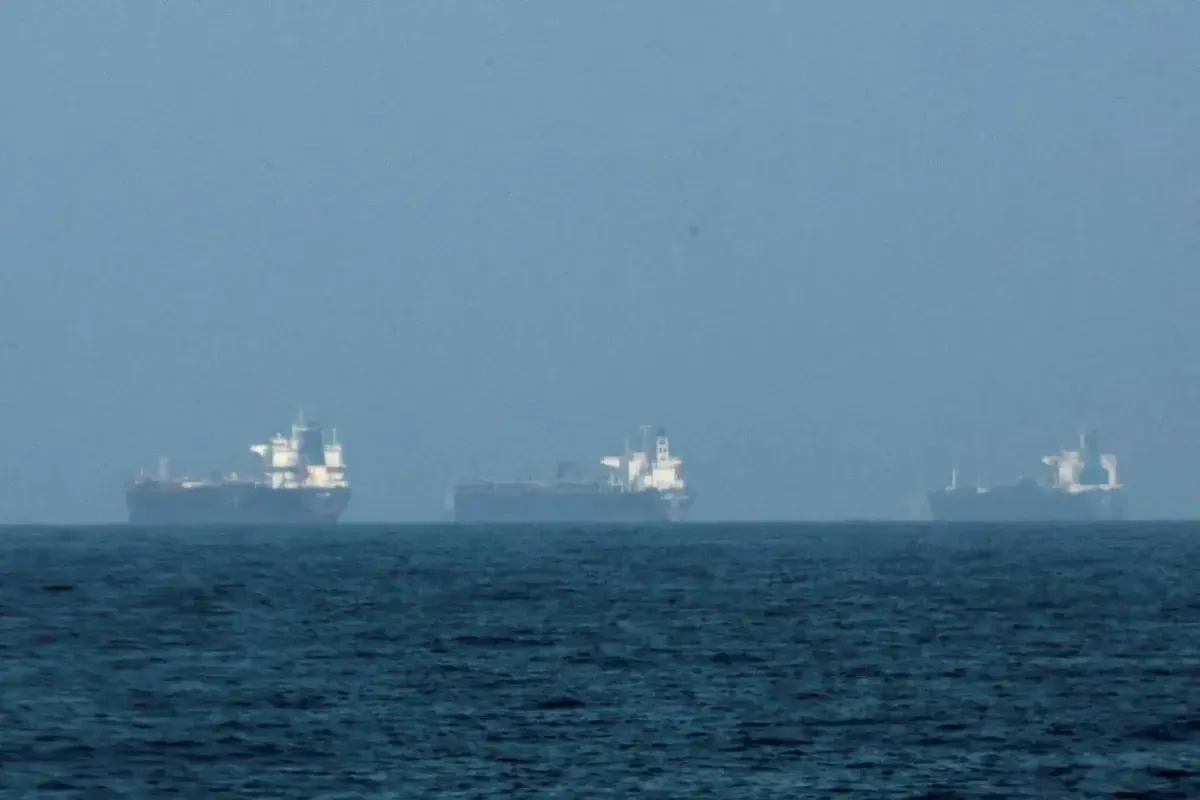
What are the current insurance risks in the Strait of Hormuz?
The recent geopolitical tensions in the Strait of Hormuz have raised significant questions about the safety and insurance of maritime shipping in this crucial waterway. Approximately 20 percent of global oil flows through this strait, making it a vital artery for international trade.
In response to these challenges, US President Donald Trump proposed providing insurance risk guarantees aimed at stabilizing the region. However, experts caution that these proposed guarantees would not be enough to ensure the safe passage of commercial shipping. Abdulaziz Sager, a noted analyst, emphasized that “the proposed guarantees would not be enough to ensure the safe passage of commercial shipping.”
As tensions escalate, the US Navy may escort oil tankers through the Strait of Hormuz, a move that could provide some level of security. Yet, this military presence may also lead to logistical bottlenecks, potentially slowing shipping traffic and increasing costs.
More than half of the world’s major marine insurance associations have announced plans to suspend war-risk coverage for vessels entering the Arabian Gulf, further complicating the situation. As a result, insurance costs for shipping are likely to remain high due to ongoing risks, with war-risk insurance premiums surging by around 300 percent, now reaching approximately 1.5 percent of the value of each shipment.
Saeed Salam, another expert in the field, noted that while US intervention may help curb soaring insurance premiums, it will not eliminate what he described as a fear-driven surcharge on maritime transport. This indicates a persistent concern among shipping companies regarding the safety of their vessels.
The US strategy reflects an attempt to impose forced stability in the Strait of Hormuz by combining military deployment with financial guarantees. However, details remain unconfirmed regarding how the US International Development Finance Corporation (DFC) would structure the insurance coverage.
Furthermore, the scale of economic losses affecting trade volumes, oil flows, or shipping costs remains difficult to estimate. As the situation evolves, stakeholders in the shipping industry are left to navigate these uncertainties while grappling with the implications of heightened insurance risks in this critical region.